Dietitian debunks myth: Gluten-free diet not always healthier

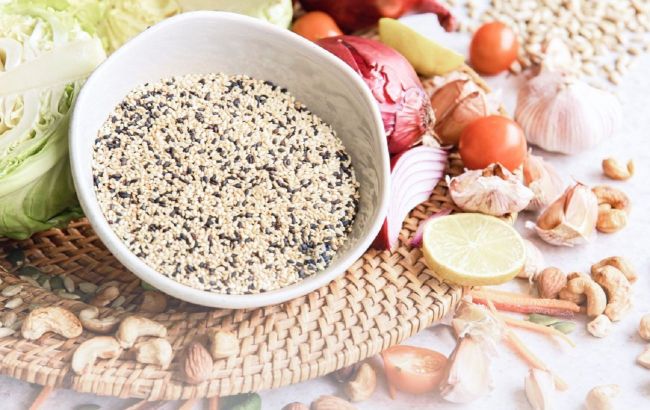 Photo: Is the gluten‑free diet healthy (facebook.com/oleg.shvets.545)
Gluten-free products have long been marketed as a healthier alternative. But does cutting out gluten actually improve well-being if there’s no medical reason?
Ukrainian professor and dietitian Oleh Shvets explains on his Facebook page who truly benefits from a gluten-free diet, the potential risks of avoiding gluten unnecessarily, and why most people’s improvements are usually linked to eating fewer processed foods rather than cutting out gluten itself.
What gluten is and who it affects
Gluten is a group of proteins found in wheat, rye, barley, and oats. It gives dough its elasticity and helps baked goods keep their shape.
Most people digest gluten normally. Exceptions include celiac disease, which affects 0.5–1% of the population. Some also report non-celiac gluten sensitivity, though its mechanisms remain debated among experts.
Benefits for healthy people?
Evidence is mixed. A small 2018 study in Denmark suggested that reducing gluten in people without celiac disease might reduce bloating, influence the gut microbiome, and improve carbohydrate digestion. However, participants self-reported changes, and other potential conditions were not ruled out.
A 2019 review found no clear benefits of a gluten-free diet for people without gluten-related conditions. Some positive effects may be explained by the placebo effect.
Risks often overlooked
Gluten-free products often contain more sugar, saturated fats, and calories, while reducing fiber, B vitamins, vitamin D, folate, calcium, iron, zinc, and magnesium in the diet.
Some studies also indicate a potential for higher levels of toxic metals (like cadmium or lead) in certain gluten-free products. On top of that, they are usually more expensive.
Who truly needs a gluten-free diet
Medical reasons to avoid gluten include:
-
Celiac disease;
-
Non-celiac gluten sensitivity;
-
Gluten ataxia;
-
Dermatitis herpetiformis.
For people with irritable bowel syndrome, fibromyalgia, or other conditions, there’s currently no convincing evidence of benefit.
Anyone suspecting gluten intolerance should undergo testing before starting a diet. If diagnosed, dietary changes should be made with a doctor to avoid nutrient deficiencies.
In most cases, improved well-being after going gluten-free is not due to avoiding gluten itself, but rather reducing ultra-processed foods.
Key rule: focus on a balanced diet with minimally processed foods, not trends.
Read also: World's most dangerous carbohydrate named and it's found in children's food
This material is for informational purposes only and should not be used for medical diagnosis or self-treatment. Our goal is to provide readers with accurate information about symptoms, causes, and methods of detecting diseases. RBС-Ukraine is not responsible for any diagnoses that readers may make based on materials from the resource. We do not recommend self-treatment and advise consulting a doctor in case of any health concerns.