These 6 foods are aging you faster — Сut them out now

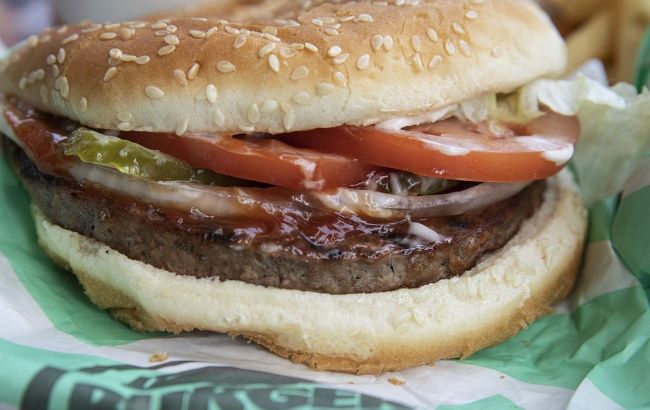 What long-lived people don’t eat (photo: Getty Images)
The secret to a long and healthy life lies not only in what we eat, but also in what we consciously choose to avoid. Researchers have uncovered the diet of people living in so-called “Blue Zones” and identified foods that steal our youth.
Real Simple explains which foods are best avoided.
What you need to know about long-lived people
Longevity depends directly on daily eating habits. Years of research into “Blue Zones” — regions with the highest life expectancy and lowest rates of chronic disease in the world — have allowed experts to identify specific categories of foods that centenarians completely avoid.
Dan Buettner, who studied the phenomenon of longevity in Japan’s Okinawa, Italy’s Sardinia, and Singapore, notes that avoiding certain foods significantly reduces the risk of diseases associated with the modern Western diet.
Refined grains and the danger of red meat
While many countries widely consume white bread, pasta, and sugary breakfast cereals, long-lived people prefer only whole grains.
During the production of refined products, grains are stripped of bran and germ, along with essential fiber, B vitamins, vitamin E, and minerals. Such “empty” food has minimal nutritional value and causes sharp spikes in blood sugar, leading to metabolic stress.
In addition, residents of “Blue Zones” practically do not consume red meat: beef, pork, or lamb. It is eaten extremely rarely, usually only on major holidays.
Instead, the main source of protein in these communities is fish. Scientists fully support this approach, as frequent consumption of red meat is clinically linked to an increased risk of colon cancer and cardiovascular diseases.
Ultra-processed food and myths about cow’s milk
In the homes of centenarians, you are unlikely to find ready-made snacks, processed foods, or packaged convenience meals. Such products are overloaded with artificial additives, preservatives, and hidden sugar.
A 2022 study strongly demonstrated a direct link between the consumption of ultra-processed foods and a rapid decline in cognitive function, as well as an increased risk of dementia in old age.
Interestingly, despite the popular myth about the benefits of cow’s milk due to its calcium content, long-lived people consume it in very limited amounts. They more often choose plant-based alternatives or small portions of goat’s or sheep’s milk.
Cow’s milk contains a lot of saturated fats and cholesterol, so reducing its share in the diet is considered by doctors an important step in maintaining vascular and heart health.
Sweets and processed meat
Desserts are also the exception rather than the rule for people with record lifespans. They completely avoid sugary soft drinks, energy drinks, and packaged juices.
Added sugar is a major trigger of systemic inflammation and chronic conditions such as type 2 diabetes, obesity, and liver disease. Their safest and preferred source of sweetness is always fresh fruit.
However, the strictest restrictions apply to processed meats: sausages, bacon, ham, and hot dogs. These foods contain extremely high levels of saturated fats and harmful nitrates.
In 2015, the World Health Organization officially classified processed meat as a Group 1 carcinogen. Avoiding such foods is considered one of the key factors in protecting against oncological and cardiometabolic diseases.
You may also be interested in:
This material is for informational purposes only and should not be used for medical diagnosis or self-treatment. Our goal is to provide readers with accurate information about symptoms, causes, and methods of detecting diseases. RBС-Ukraine is not responsible for any diagnoses that readers may make based on materials from the resource. We do not recommend self-treatment and advise consulting a doctor in case of any health concerns.