Car headlights fogging up? Here's how to get rid of condensation

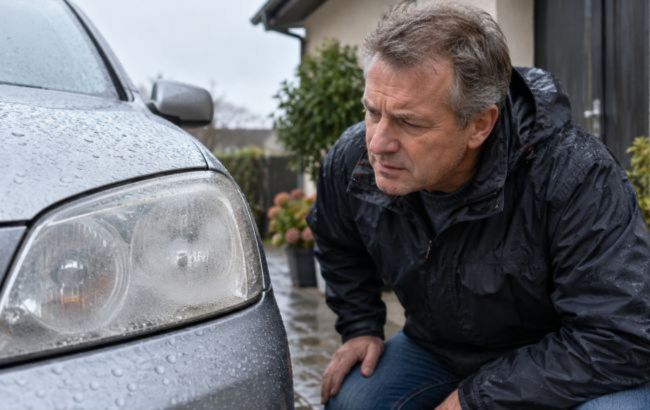 Condensation inside a headlight does not always indicate a malfunction. In some cases, the problem may stem from rather unexpected places (collage: RBC-Ukraine)
After rain, a car wash, or a sudden drop in temperature, a white haze may appear inside your car's headlights. In most cases, it disappears on its own. However, if droplets form inside or water starts pooling, don't ignore the problem.
RBC-Ukraine explains why headlights fog up and when you can fix the problem yourself.
Why headlights fog up from the inside
The main issue is that modern headlights are not completely sealed. They have ventilation channels or valves designed to equalize pressure. Air enters and exits through these openings.
When humid air hits a cold headlight surface, condensation forms. This most commonly happens:
-
After rain, snow, or washing the car
-
During sudden temperature changes
-
After the car has been parked outside overnight in cold weather
-
During frequent short trips in wet weather.
As automotive lighting manufacturer HELLA explains, a light haze usually disappears after driving, as the headlight heats up and the moisture gradually evaporates.
How to remove condensation from headlights yourself
If there is only a light haze inside, with no large droplets or pools of water, try the following methods.
Drive with the headlights on.
When switched on, headlights heat up, while the ventilation system helps remove moisture. Volkswagen notes in a technical bulletin that under normal condensation conditions, the surface should clear after approximately 30 minutes with the lights on. The time may vary depending on the headlight design and weather conditions.
Check the rear headlight cover.
If a headlight started fogging up regularly after a bulb replacement or other maintenance, inspect the rear cover. It should be properly aligned and securely closed. Make sure the rubber seal is not twisted, torn, or out of place.
Inspect the ventilation openings.
Locate the ventilation channels or rubber tubes on the headlight housing. Check whether they are clogged with dirt, leaves, or insects. Drivers on the Car Talk automotive forum also advise inspecting the rubber ventilation tube: debris can build up inside and block airflow.
One important point: do not puncture the valves, enlarge the openings, or remove the membranes yourself.
If the manufacturer allows it, remove the rear dust cover to let the headlight dry.
Some models have a procedure for this: remove the cover, leave the car in a well-ventilated area, and run the headlights for the time specified in the service manual. For example, a technical bulletin says Kia recommends drying certain models for 30 minutes with the engine running and the headlights on. Put the cover back in place afterward.
Do not try this method without checking first. If the headlight design does not allow this type of maintenance, limit yourself to inspecting the external components.
When condensation in a headlight signals a malfunction
There are several signs that moisture is getting inside through damage:
-
Large droplets appear on the lens and do not disappear
-
Water collects at the bottom of the housing
-
The headlight fogs up again after every car wash or rainstorm
-
Condensation remains even after the headlights have been on for an extended period
-
Signs of corrosion appear inside, or the bulb stops working.
In this case, check the housing for cracks, the joints between the lens and housing, the rear cover, seals, and ventilation system. HELLA recommends inspecting these areas when diagnosing excessive moisture inside headlights.
If water is pooling inside, take the car to a repair shop. The headlight may need resealing or a damaged component replaced.
What you should never do
Do not heat the headlight with a heat gun. You could damage the plastic, seals, and internal components.
Do not randomly pour silicone or sealant inside. First, find where the water is getting in rather than sealing every joint.
Do not drill additional holes. This can compromise the headlight's protection against dust and water.
Do not leave the headlight open after drying it. An uncovered opening will allow dust and moisture to get inside.
In short, a light haze inside a headlight is not a critical problem. However, if water collects inside or condensation keeps returning, address the cause rather than simply drying the headlight temporarily.
Read also: Effective ways to eliminate cigarette odor from your car interior at home