Bulgaria officially joins euro zone, national currency changes

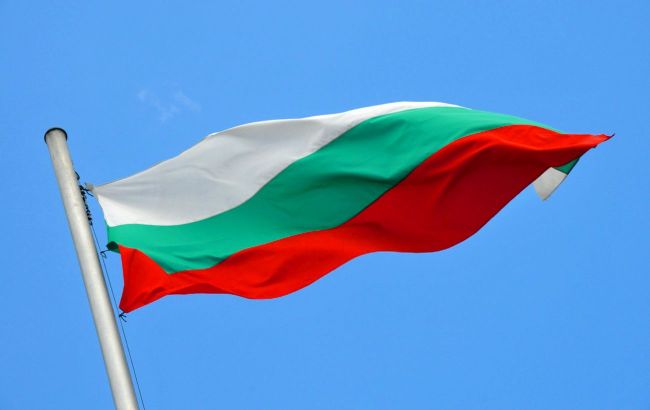 Bulgaria officially abandoned its old national currency (illustrative photo: flickr.com)
Bulgaria officially joined the euro zone as its national currency on January 1, 2026, after 19 years of membership in the European Union. The former national currency, the lev, is no longer in use in the country, Reuters reported.
To mark the official entry into the euro zone, an exhibition of new coins already minted in euro denominations was held on the facade of Sofia's central bank, and fireworks were launched. As of January 1, 2026, the country's long-standing national currency, the Bulgarian lev, has ceased to exist.
The currency change also means that Bulgaria will gain a seat on the Governing Council of the European Central Bank and will be able to influence the euro exchange rate indirectly.
Bulgaria's accession to the euro zone will increase the number of euro users by nearly 7 million, bringing the total to more than 350 million. In 2023, Croatia began using the euro. As for currency conversion, the lev will be exchanged for the euro at approximately 2 to 1.
Within Bulgaria itself, opinions are divided. Most Bulgarians said in a survey that there is no need to worry, and some added that the country will only benefit from the transition to the euro. In particular, problems with currency exchange in Europe will disappear.
However, other residents fear that replacing the lev with the euro will affect price growth. Against this backdrop, a political crisis continues in the country, as the Bulgarian government resigned in December following a series of mass protests against proposed tax increases.