Beware these 4 types of workout that often trigger severe headaches

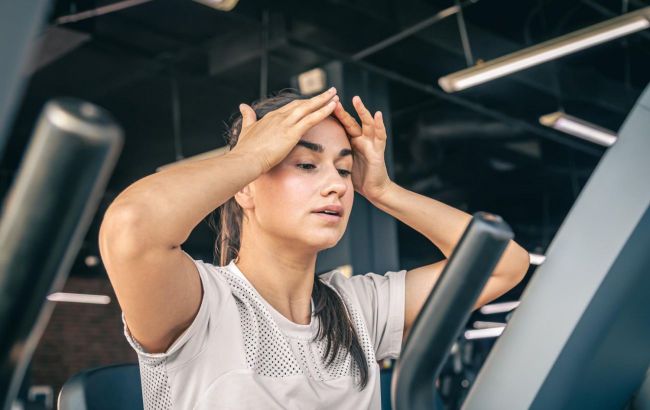 Exercise that can trigger headaches revealed (photo: Freepik)
Post-workout headaches can occur due to specific types of physical activity that put significant strain on the neck and head. It is important to know which exercises should be performed with caution, according to Verywell Health.
Causes of headaches
Headaches often appear after intense physical activity, such as running, heavy weightlifting, cycling, or swimming. This type of headache can occur because increased blood flow around the head and scalp leads to dilation of blood vessels to boost circulation.
There are two categories of exercise-induced headaches:
-
Primary exercise headaches occur during or immediately after physical activity. They usually resolve on their own and are not linked to more serious medical conditions.
-
Secondary exercise headaches – caused by underlying health issues, such as heart disease, and are much less common.
Exercising without adequate hydration can lead to dehydration. Dehydration alone can trigger headaches and may also worsen other conditions or primary exercise headaches that depend on fluid balance.
Prevention
To prevent exercise-induced headaches:
-
Maintain proper hydration;
-
Warm up before workouts;
-
Eat a small meal before exercise to prevent hypoglycemia;
Primary exercise headaches are more common in hot weather and at high altitudes, so these factors should be considered before training.
If headaches frequently occur after exercise, it is important to consult a doctor.
Symptoms of overtraining
Excessive physical activity can lead to exhaustion and other health problems. Symptoms of overtraining include:
-
Fatigue and need for extra rest;
-
Depression;
-
Mood swings or irritability;
-
Insomnia;
-
Muscle pain;
-
Injuries from overuse of muscles;
-
Loss of motivation;
-
Illness;
-
Weight loss;
Earlier, we shared 5 exercises everyone should do to stay injury-free.
This material is for informational purposes only and should not be used for medical diagnosis or self-treatment. Our goal is to provide readers with accurate information about symptoms, causes, and methods of detecting diseases. RBС-Ukraine is not responsible for any diagnoses that readers may make based on materials from the resource. We do not recommend self-treatment and advise consulting a doctor in case of any health concerns.