Berlin keeps strict border checks despite EU pressure

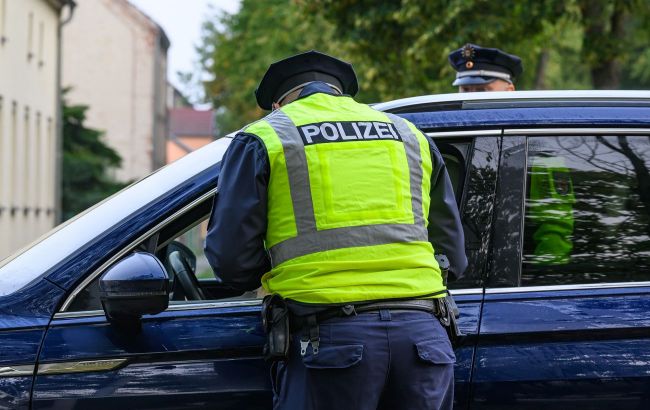 Police in Germany (Photo: Getty Images)
Germany has officially rejected the European Commission's request to lift controls at its internal borders. Berlin insists on maintaining checks for the sake of security and the fight against illegal immigration, reports Euronews.
German Interior Minister Alexander Dobrindt spoke out against Brussels' initiative. He called the current checks necessary. According to him, such a system has already proven its effectiveness and helps stop criminals.
Speaking at a meeting of EU interior ministers in Luxembourg, Dobrindt stated that his country's border checks are working.
"The significant number of pushback, illegal migration, the seizure of smuggling gangs, all of this shows how effective these border roles are and that is why we want to continue them," he told journalists.
Who else ignores the rules of free movement
Currently, ten EU countries are conducting checks at internal borders. Seven of them justify this by migratory pressure, which contradicts the idea of Schengen. The European Commission has called on several countries to gradually open their borders.
Here are the countries where border checks are currently in force:
- Austria;
- Denmark;
- France;
- Germany;
- Italy;
- Netherlands;
- Slovenia;
- Sweden;
- Norway (not an EU member, but within the control zone).
Poland has become the tenth country with restrictions, but Warsaw has not yet been asked to lift them. Initially, these measures were planned as temporary. In some states, they have been in place for years.
European Commission's position and new deportation rules
Brussels believes that borders should be open. The Commission cites large-scale changes in migration policy. This week, leaders approved plans to accelerate deportations. Agreements have also been reached to build migrant detention centers outside the bloc.
EU Commissioner for Home Affairs and Migration, Magnus Brunner, believes that the reforms are already working.
"Numbers…are going down. We’re on the right track. The reforms have been done. The external borders are better protected. The returns regulation has been decided," he said.
In Brunner's view, now is the time to gradually lift these border controls.