Belgium makes first seizure of Russian shadow fleet tanker

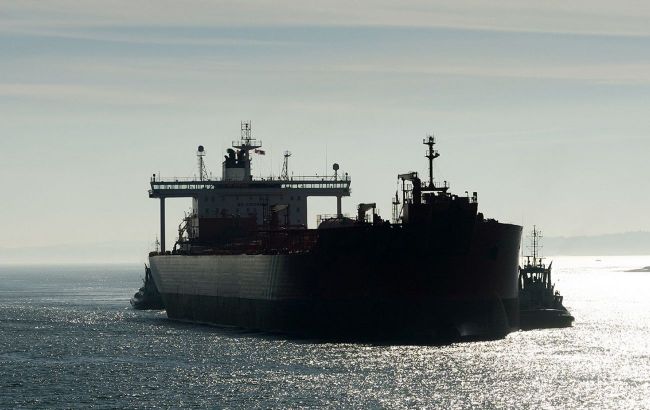 Illustrative photo: Belgian military detained a shadow Russian tanker for the first time (Getty Images)
The Belgian Armed Forces, with support from France, have for the first time intercepted and taken control of a tanker from Russia's shadow fleet. The vessel was escorted to the port of Zeebrugge for further arrest, according to Belgian Defense Minister Theo Francken on X.
Details of operation Blue Intruder
According to Francken, the operation, codenamed Blue Intruder, was carried out over the past several hours. Belgian servicemembers, supported by France's defense authorities, boarded an oil tanker belonging to Russia's so-called shadow fleet.
"The vessel is currently being escorted to the port of Zeebrugge, where it will be seized. Operation Blue Intruder was carried out by a team of exceptionally brave service members. Excellent work," he said.
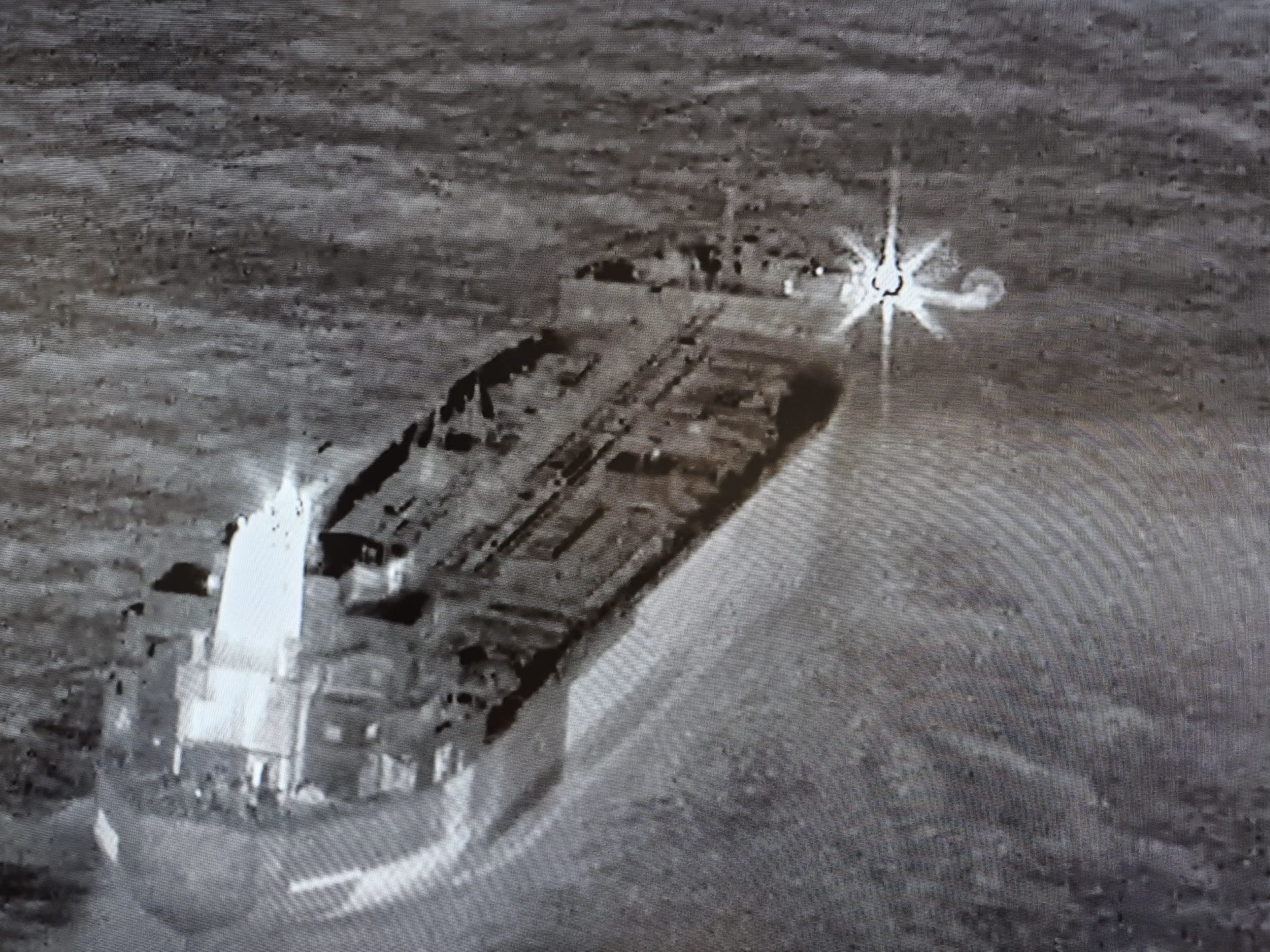
Photo: detention of a Russian shadow fleet tanker (x.com/FranckenTheo)
What is Russia's shadow fleet
The shadow fleet is a network of aging oil tankers with anonymous owners that Russia uses to bypass Western sanctions and the oil price cap. Such vessels often lack proper insurance and switch off identification systems, creating significant environmental risks for countries along whose coasts they operate.
It should be recalled that the European Union and the Group of Seven (G7) have recently stepped up pressure on Russia’s tanker fleet. Earlier, several European countries, including Denmark, announced plans to restrict the passage of suspicious vessels through their territorial waters due to the risk of oil spills and the financing of Russia's military aggression.
EU's 20th sanctions package
Ahead of the anniversary of Russia's full-scale invasion of Ukraine, the European Commission presented a draft of the 20th sanctions package against Russia. The main goal of the new restrictions, unveiled on February 6, is to increase pressure on the Kremlin's key sources of revenue — the energy and financial sectors. The package was expected to be formally approved by the symbolic date of February 24 to demonstrate EU unity in support of Ukraine.
A central element of the document is combating circumvention of the oil embargo. The European Commission proposes introducing a total ban on providing any maritime services for the transportation of Russian oil. Particular attention is given to the shadow fleet: the list of sanctioned vessels is planned to be expanded to 640 units, significantly limiting their access to technical maintenance and logistical support.
Despite Brussels' determined stance, intense discussions continue within the EU. Some member states are calling for certain provisions of the package to be softened, fearing economic consequences. The most heated debates concern measures targeting foreign ports and banking institutions in third countries that, according to intelligence data, help Moscow circumvent the oil price cap.