Barefoot in shops and fearless of snakes: Australian habits that shock newcomers

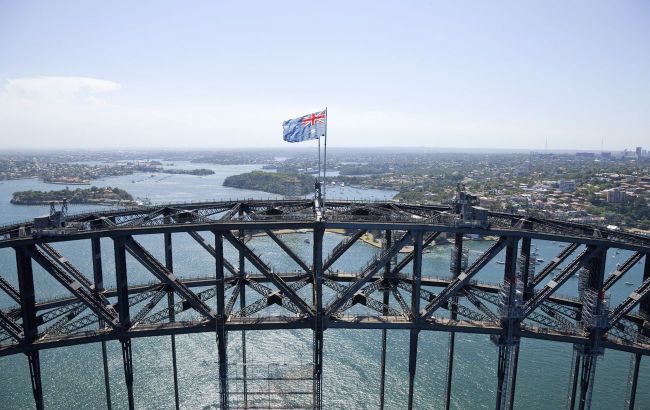 Life in Australia that surprises newcomers (photo: Getty Images)
Australia often looks like a scene from a tourist ad: ocean, surfing, sunshine, and life without unnecessary rush. But on closer inspection, the country has plenty of everyday habits that can genuinely surprise people from Europe.
RBC-Ukraine explains what amazes newcomers in Australian customs and traditions.
Barefoot in shops and nobody blinks
In coastal cities, this sight is completely normal. People walk barefoot into supermarkets, cafés, or small stores, especially if they’ve just returned from the beach.
For locals, it’s just part of daily life. Unlike in many European regions, there aren’t strict unwritten rules about appearance, so people dress for comfort and simplicity. What might seem odd in a European city is taken completely in stride here.
Casual chats with strangers
Another surprising habit for foreigners is Australians’ openness. It’s normal to have a short conversation with a stranger in line, on public transport, or in a café—maybe a few words about the weather, the weekend, or pets.
These small dialogues are part of everyday communication and help maintain a friendly atmosphere. For those used to more reserved interactions in large cities, it can feel unusual.
A different pace of life
Many newcomers notice Australia’s slower pace. After work, people often go to the beach, exercise, or spend time with family. A balance between work and personal life is an important part of everyday culture.
This lifestyle is often called the "Aussie lifestyle," where work is important but doesn’t take over life entirely.
Early mornings and early dinners
Life in many Australian cities starts early. Cafés open before 6–7 a.m., and people often have breakfast out before work.
Dinners, by contrast, are usually earlier than in Europe, with many restaurants closing the kitchen around 9 p.m., sometimes even earlier. For those accustomed to late dinners and nightlife, this can be surprising.
Coffee culture as ritual
Australians take coffee seriously. Independent cafés thrive, and large international chains struggled to compete for years.
The famous Australian flat white became popular worldwide. In cities like Sydney and Melbourne, cafés are everywhere, and a morning coffee is a daily ritual for many.
Free infrastructure in parks and on beaches
Australian cities are known for public spaces. Beaches and parks often provide:
-
Free electric grills;
-
Drinking water;
-
Showers;
-
Playgrounds;
-
Picnic areas;
Locals actively use these spaces to relax with friends and family.
Outdoor sports are part of life
Thanks to the climate and proximity to the ocean, outdoor exercise is common. Mornings often feature people:
-
Running along the coast;
-
Surfing;
-
Swimming in open-air pools;
-
Training in parks.
An active lifestyle is seen as a natural part of Australian culture.
But life has its challenges
Despite its appeal, life in Australia has drawbacks. Major cities like Sydney and Melbourne are among the most expensive in the country. Rent and daily expenses can be much higher than newcomers expect.
Nature is another factor. Australia is beautiful but home to many wild animals, including snakes, spiders, and jellyfish. Locals remain calm about them, but for many foreigners, the closeness of wildlife can feel unusual.
The simple rule of Aussie life
Many everyday habits are guided by one idea: less formality, more freedom.
Perhaps that’s why Australia, which may seem distant and strange at first, often becomes a place where people want to stay.