Bananas and high cholesterol: New research reveals details

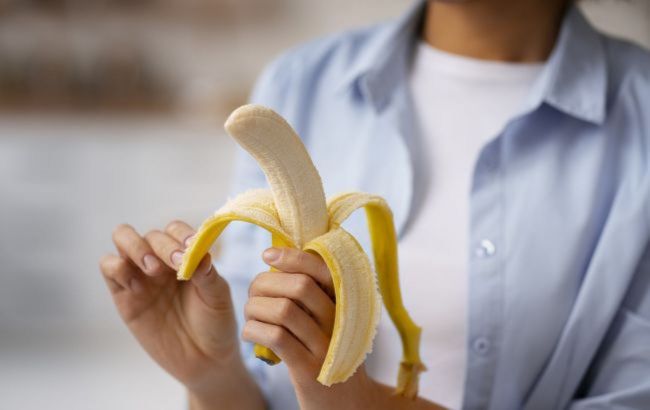 Photo: Bananas and high cholesterol — what people need to know (Freepik)
Bananas have long been a subject of debate among people with high cholesterol. Some avoid the fruit because of its carbohydrate content, while others recommend including it in the diet to support heart health. The newest research explains whether bananas can be consumed with high cholesterol.
What we know about bananas
Like most fruits, bananas contain no cholesterol. One hundred grams of banana contains 0 mg of cholesterol, and research does not show that bananas stimulate cholesterol production in the liver. This means there is no reason to completely exclude them from the diets of people with hypercholesterolemia.
Do bananas lower cholesterol?
Indian researchers conducted a study involving 30 people with elevated cholesterol levels. Over 12 weeks, participants ate 250–500 grams of bananas for breakfast.
The results showed an average reduction in fasting blood sugar of about 7 mg/dL and an improvement in the ratio of "bad" LDL to "good" HDL cholesterol. Although the study was a pilot, it suggested bananas might have potential benefits for lipid profiles.
Health benefits of bananas
A key role is played by soluble fiber, which binds bile acids in the intestines and limits cholesterol absorption. This is why high-fiber foods—such as oats, whole grains, vegetables, and fruits—are commonly recommended for people with high cholesterol.
Green bananas are the best choice
Less ripe, green bananas contain more resistant starch, which also helps lower cholesterol. Studies have shown that the greatest benefits come from fresh, unprocessed bananas, while fried bananas or banana chips may have the opposite effect.
How to include bananas in a diet
Experts recommend incorporating bananas into a balanced diet, such as the DASH diet, which is designed to support heart health. Moderation, consistency, and choosing the right type of fruit are key.
You may be interested in:
This material is for informational purposes only and should not be used for medical diagnosis or self-treatment. Our goal is to provide readers with accurate information about symptoms, causes, and methods of detecting diseases. RBС-Ukraine is not responsible for any diagnoses that readers may make based on materials from the resource. We do not recommend self-treatment and advise consulting a doctor in case of any health concerns.