Another concession by Trump. US postpones sanctions against Lukoil gas stations

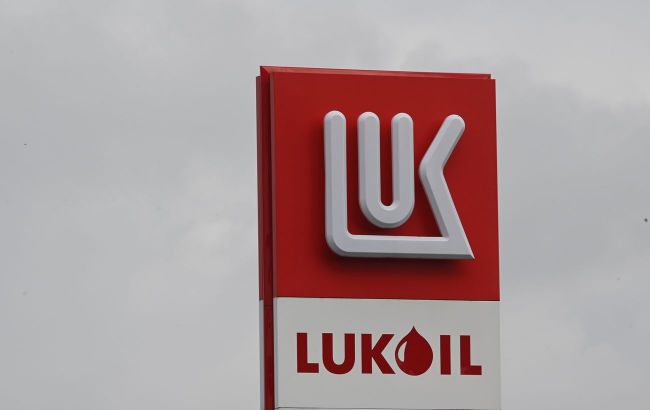 Photo: Lukoil (Getty Images)
The administration of Donald Trump has extended a waiver allowing gas stations owned by Lukoil outside Russia to continue operating.
This is a temporary easing within the sanctions imposed by the US last year to limit revenues that, according to the American side, could support Russia’s war against Ukraine.
Terms of the decision
As stated on the US Department of the Treasury’s website, the waiver for approximately 2,000 gas stations located in Europe, Central Asia, the Middle East, and the Americas has been extended until October 29.
Thus, the company’s foreign network will, for now, continue operating under the current sanctions regime.
Context of sanctions policy
The decision is being viewed as a technical adjustment to the sanctions regime rather than an overall easing of it.
The US continues its policy of pressure on Russia’s energy sector while maintaining certain exceptions that allow parts of the international infrastructure of major companies to keep operating.
The US Treasury Department temporarily eased restrictions related to oil sanctions against Russia, allowing the export of previously loaded oil and petroleum products.
Amid escalating global oil market tensions caused by military actions in the Middle East, Washington adopted a decision that had previously been considered unlikely.
According to reports, the US agency issued a general license allowing Russia to sell already shipped energy resources, which effectively reduces sanctions pressure on Moscow for a certain period.
In April, Russia’s revenues from the key oil tax could rise to around $9 billion, nearly double the usual level, amid an oil crisis triggered by the US–Israel military confrontation with Iran.