Always wash this kitchen item in dishwasher: Reason may surprise you

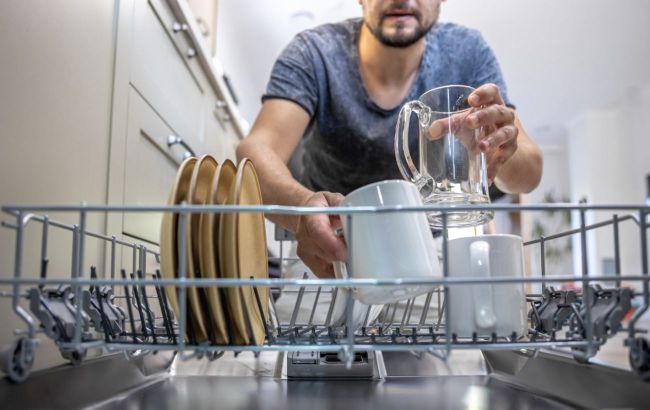 Why wine glasses are better washed in the dishwasher (Photo: Magnific)
Washing wine glasses by hand may not be the best choice. Here's why a dishwasher does a better job of cleaning delicate glassware while helping preserve its sparkle, according to The Spruce.
Why wine glasses are better washed in a dishwasher
Wine glasses are best cleaned in a dishwasher because modern machines provide more effective and gentler cleaning than washing by hand.
Thanks to higher water temperatures, specialized detergents, and rinse aid, dishwashers effectively remove wine residue, grease, and mineral buildup without leaving streaks. As a result, glasses come out crystal clear and sparkling, which is especially important for appreciating a wine's color and aroma.
Besides delivering spotless results, dishwashers also reduce the risk of damaging delicate stemware. During hand washing, thin glass is most likely to break because of accidental slips, excessive pressure, or awkward handling.
Inside a dishwasher, wine glasses remain securely positioned throughout the wash cycle. As long as they are properly spaced and do not touch one another, the risk of breakage is minimal.
This is why most restaurants and wine bars clean their glasses in professional dishwashers. It helps maintain high hygiene standards, keeps glassware looking flawless, and reduces accidental damage that often occurs during hand washing.
How to load wine glasses correctly
Always make sure there is enough space between glasses so they do not knock against each other or other dishes.
Whenever possible, place wine glasses on the top rack and use the glass holder if your dishwasher has one. If the glasses are too tall, carefully place them on the bottom rack, making sure there is enough clearance between them and other items.
Choose a delicate or glassware cycle with a low temperature or no heated drying.
What to do if you don't have a dishwasher
Keeping wine glasses perfectly clean, clear, and shiny depends not only on proper washing but also on proper drying. Even high-quality stemware can lose its sparkle because of water spots, streaks, or improper polishing.
Start by preparing warm water at around 35–45°C (95–113°F). It removes dirt effectively without exposing the glass to sudden temperature changes. Add a few drops of a mild, unscented dishwashing liquid.
When washing, hold the glass by the bowl rather than the stem. This reduces stress on the most delicate part of the glass. Use a soft sponge or a brush designed specifically for wine glasses.
After washing, rinse thoroughly with clean warm water. Dry the glasses immediately using a clean, lint-free microfiber or linen cloth.
Polish the glass using gentle circular motions while supporting the bowl with your other hand. For an extra shine, hold the glass over steam for a few seconds before polishing. Warm glass is easier to polish, and the steam helps remove even the smallest streaks and water marks.
Do not leave wine glasses to dry upside down on a towel, as moisture can become trapped inside. Also, avoid washing them together with heavily greasy dishes to prevent greasy residue or unwanted odors from transferring to the glass.