Allergy season struggle? 6 effective ways to beat symptoms

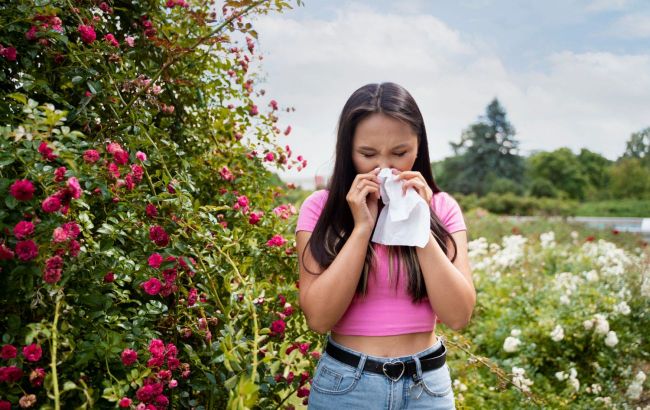 Doctor explains how to avoid seasonal allergies (photo: magnific)
With the arrival of spring, more and more people are experiencing symptoms of seasonal allergies. Exacerbations can be avoided by following simple preventive measures, according to Professor and dietitian Oleh Shvets.
How allergies develop
According to the doctor, an allergy is a reaction of the immune system to substances containing proteins (allergens) that are harmless to most people.
When in contact with an allergen, the immune system perceives it as a threat and produces biologically active substances (including histamine), which cause symptoms such as itching, watery eyes, runny nose, and sneezing.
The intensity of the reaction depends on how threatening the body perceives the allergen to be.
Main symptoms
The most common allergy symptoms include:
- Nasal congestion
- Sneezing
- Itching of the eyes, nose, and throat
- Watery eyes and a runny nose
- Postnasal drip (mucus flowing into the throat)
- Fatigue
- Cough
The expert identified typical seasonal allergens as:
- Tree pollen — March/April
- Grass pollen — June/July
- Ragweed — autumn
- Mold — autumn
“Not all environmental allergies are seasonal. There are also year-round allergies, including those to animal dander and dust mites,” the report says.
How to identify an allergen
Skin tests. A small puncture is made on the skin, usually on the forearm, and a minimal amount of a suspected allergen is introduced. If an allergy is present, the skin reacts with inflammation, redness, and swelling.
Blood tests. They determine reactions to a larger number of allergens. This method is used to detect seasonal and year-round allergies, as well as allergies to food, medications, and insect bites.
Treatment methods
The specialist noted that doctors most often prescribe over-the-counter or prescription antihistamines, which help suppress the immune response and relieve symptoms.
Doctors may also prescribe antihistamines or steroid nasal sprays. They help reduce inflammation of the mucous membranes caused by airborne seasonal allergens.
A more specialized option is allergen-specific immunotherapy, which aims to build tolerance in the immune system to an allergen by introducing small doses of the irritant.
How to protect yourself from allergens
To minimize exposure to seasonal allergens:
- Monitor daily levels of pollen and mold spores. Reduce time spent outdoors on peak days
- Start taking medications before the allergy season begins, when pollen, grass, ragweed, or mold levels rise sharply
- Keep windows and doors closed at home, in the office, and in the car to prevent pollen from entering
- Wear a hat outdoors and wash your hair before bed so pollen does not get on your pillow or face
- Change clothes after being outside — about half of the pollen remains on clothing even after shaking it off before entering indoors
- Avoid mowing grass or raking moldy leaves if they are your triggers, or do it while wearing a mask
This material is for informational purposes only and should not be used for medical diagnosis or self-treatment. Our goal is to provide readers with accurate information about symptoms, causes, and methods of detecting diseases. RBС-Ukraine is not responsible for any diagnoses that readers may make based on materials from the resource. We do not recommend self-treatment and advise consulting a doctor in case of any health concerns.