Alcohol amount causing hangover: Exact figure named

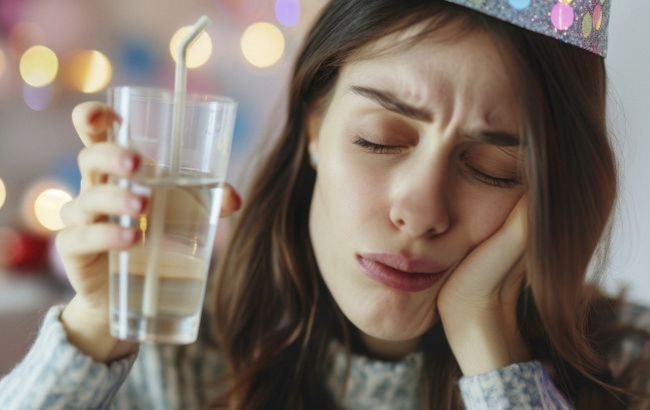 How much alcohol causes hangover (Freepik)
The GP revealed the amount of alcohol that most often leads to a hangover, and explained how alcohol affects the brain and nervous system.
Why is drinking alcohol dangerous?
One or two units of alcohol increase heart rate, dilate blood vessels, and cause a slight feeling of euphoria, according to Dr. Bhavini Shah, collaborating with LloydsPharmacy Online Doctor.
One alcohol unit is 10 ml or 8 g of hard alcohol. This is close to the amount the body can process per hour. For example, a pint of strong beer contains about three alcohol units.
After drinking 4-6 units, alcohol begins to affect the nervous system significantly—the response speed decreases, decision-making worsens, and a tendency to risky behavior increases.
According to the GP, a hangover usually occurs after about eight units of alcohol. This is similar to four pints of weak beer or cider (about 3.6%) or four standard 175 ml glasses of wine.
After this amount, sleep and vision are disrupted, and the liver delays in processing alcohol during the night.
How much alcohol causes hangover?
After 10 units, coordination significantly worsens, and nausea, diarrhea, vomiting, dehydration, and severe headache appear. Regular consumption of 8 or more units for men and 6 for women is considered episodic abuse. Medical professionals advise consuming 14 units of alcohol per week at most.
The GP also warns that 12 units dramatically increase the risk of alcoholic intoxication.
As for the elimination of alcohol from the body, this process cannot be sped up. Sleeping, drinking enough water, and eating light foods that maintain blood sugar levels and don't irritate the stomach are best.
Earlier, we wrote about a popular Christmas drink that may be dangerous to your health.
This material is for informational purposes only and should not be used for medical diagnosis or self-treatment. Our goal is to provide readers with accurate information about symptoms, causes, and methods of detecting diseases. RBС-Ukraine is not responsible for any diagnoses that readers may make based on materials from the resource. We do not recommend self-treatment and advise consulting a doctor in case of any health concerns.