AI could help humans live to 1,400 years by stopping aging

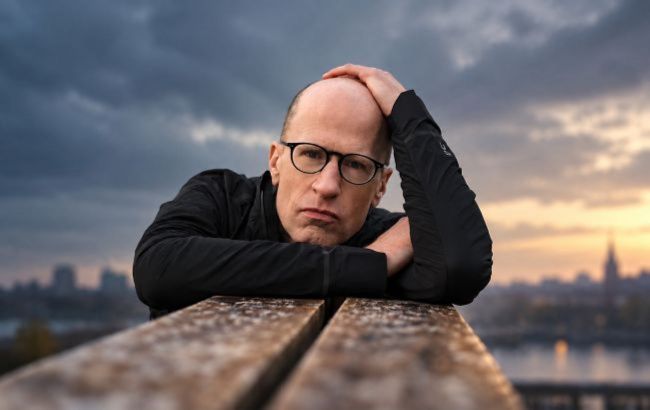 Swedish philosopher Nick Bostrom believes delays in AI development lead to millions of deaths every year (collage: RBC-Ukraine)
Swedish philosopher and former Oxford professor Nick Bostrom says humans may one day live for more than 1,000 years if AI makes breakthroughs in biomedicine and anti-aging research, according to Business Insider.
What life expectancy Bostrom predicts
On the A16z show, Nick Bostrom said that without aging, human life expectancy could reach about 1,200–1,400 years.
He added that this estimate could be considered a "quite conservative lower bound," since under such conditions, other ways to reduce mortality risks could also emerge, including the risk of accidental death.
Bostrom studies human enhancement and emerging technologies. In 2005, he founded the Future of Humanity Institute at the University of Oxford as an interdisciplinary research group. The institute ceased operations in 2024.
Why AI safety raises difficult dilemmas
The scientist's remarks come amid growing debate over AI safety, with many researchers calling for a slowdown in the technology's development to address alignment problems and build safeguards that will keep advanced AI aligned with human interests.
Bostrom believes striking a balance between rapid AI development and safety is difficult and depends on many factors.
On the one hand, he says, taking additional time before transitioning to advanced AI could theoretically make the technology safer and reduce the existential risks associated with its development.
On the other hand, the philosopher points to the cost of delays: millions of people die every year, since development is postponed.