
AI ads gone wrong: How global brands embarrass themselves

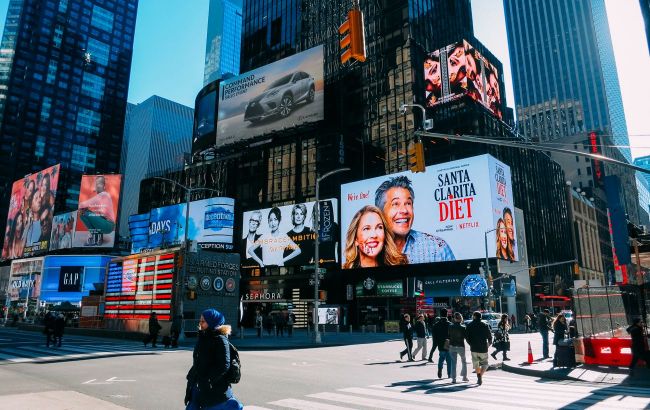 McDonald’s and Coca-Cola face criticism over AI-generated Christmas ads (photo: Getty Images)
Major corporations such as McDonald’s and Coca-Cola have once again found themselves at the center of a scandal: their holiday commercials created using artificial intelligence have sparked a wave of backlash online, according to CNET.
McDonald's ad: short but disastrous
The 30-second McDonald’s commercial was created exclusively for the Netherlands and showed a series of Christmas mishaps set to a parody of the song It’s the Most Wonderful Time of the Year. The video quickly drew heavy criticism, prompting the company to remove it from its pages.
The ad was easy to identify as AI-generated content due to abrupt edits, poorly readable text, and inaccurate details. In one of the now-deleted posts, the CEO of marketing agency The Sweetshop Film confirmed that various AI tools were used to create the commercial.
Coca-Cola ad: more polished, but still AI-generated
Unlike McDonald’s, Coca-Cola’s commercial appeared more cohesive: a truck loaded with drinks drives through a winter landscape and a snowy town, while forest animals follow it to a decorated Christmas tree. However, AI-generated elements are also clearly visible here.
The animals look artificial, with detailed but unevenly distributed fur and poorly rendered small elements.
The characters display overly exaggerated emotions — a typical hallmark of AI animation.
A behind-the-scenes video shows how multiple design variations were generated using AI tools, along with technologies resembling Photoshop Generative Fill.
Impact on the labor market
The use of AI in advertising affects real people. Campaigns could have been created with the involvement of animators, designers, and illustrators, which would have improved the quality of the ads. Job losses due to AI raise concerns, especially in the creative industry. For businesses, AI is attractive because of its efficiency and cost reduction, as seen with Amazon, where thousands of employees were laid off.
Normalization of AI in marketing
The holiday ads from McDonald’s and Coca-Cola show how AI is becoming standard in advertising. Companies continue to adopt generative technologies despite negative user reactions. Experts emphasize the importance of paying attention to such cases so that audiences understand the consequences of widespread AI use in content.

