Fever relief: 7 foods that help reduce inflammation and boost recovery

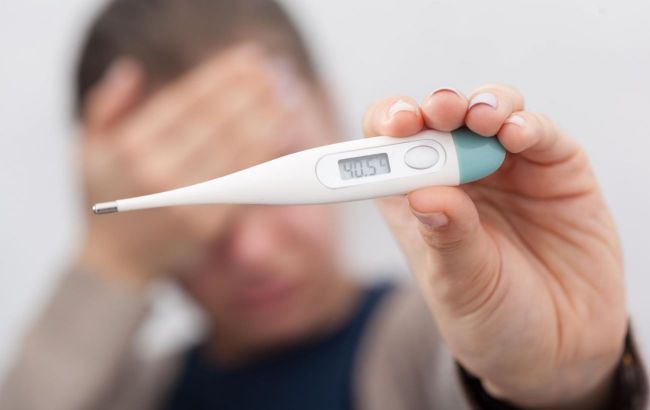 Foods that are beneficial to eat when body temperature is elevated (photo: magnific)
When body temperature is elevated, the organism does not need heavy food but rather support for hydration and easily digestible nutrients. This is due to the fact that during fever, the metabolism speeds up and fluid loss increases through sweating and breathing, according to Health.
Watermelon
According to the USDA, eating fruits can help with hydration because many of them have a high water content and some electrolytes. Watermelon is especially hydrating as it contains about 90% water.
However, some fruits contain more natural sugar. Watermelon contains about 10 g of sugar per 150 g serving.
It also contains potassium and magnesium — minerals that help maintain fluid and electrolyte balance. Thanks to its soft texture, it is easy to digest and usually does not burden the stomach, which is important when appetite is reduced during illness.
Cucumber
Cucumber is made up of about 96% water. It is an excellent snack on its own or can be added to salads due to its crunchiness and freshness.
It does not replace water or rehydration solutions, but it can be an additional source of fluids.
At the same time, cucumber does not treat the cause of fever and does not affect the fever itself — it only helps the body cope more easily with the condition. It should be seen as light food rather than a treatment.
Strawberries
Strawberries are low-sugar berries that contain about 90% water. A 140 g serving also provides about 80–85 mg of vitamin C, which is roughly 90–100% of the daily requirement for most adults.
However, there are limitations. If you have a berry allergy or a tendency to skin reactions, strawberries should be avoided.
Coconut water
Coconut water is the clear liquid inside a young green coconut. It forms naturally as the fruit grows and is not the same as coconut milk (which is made from the flesh).
Coconut water contains natural electrolytes — potassium, magnesium, and a small amount of sodium. These are important for normal heart, muscle, and nervous system function and help maintain fluid balance in the body.
However, coconut water does not reduce fever or treat the cause of illness. It only helps maintain hydration along with water or other fluids.
On hot summer days, coconut water is a great alternative to sugary drinks such as soda, as it provides hydration and electrolytes.
Greek yogurt
Greek yogurt is a high-protein product that contains about 81% water. It also provides minerals such as potassium and calcium.
It contains protein that helps maintain energy and recovery, and may include beneficial probiotic bacteria that support gut health, especially if a person is taking antibiotics.
Tomatoes
Tomatoes are made up of about 95% water. They can be used in soups, salads, and sauces. They help replenish fluids and add flavor to dishes.
They also contain vitamin C and antioxidants, including lycopene, which support the immune system and may reduce inflammation.
Broth
When a person has a fever, the body actively fights infection. This increases sweating, speeds up breathing, and often reduces appetite. All of this leads to loss of water and salts.
If these are not replenished, weakness, headaches, dry mouth, and general deterioration of well-being may occur.
Warm broth in this situation acts primarily as a light source of fluids and minerals. It helps partially compensate for sodium and other electrolytes lost through sweat. It is also easier to tolerate than solid food, especially when there is no appetite or nausea.
What causes a sudden increase in body temperature
Many factors can cause this, including:
- hot or humid weather
- intense physical activity
- dehydration
- wearing heavy or non-breathable clothing
- certain medications
- medical conditions
An increase in body temperature can cause heavy sweating, muscle cramps, and spasms. It is important to move to a cooler place and drink water.
This material is for informational purposes only and should not be used for medical diagnosis or self-treatment. Our goal is to provide readers with accurate information about symptoms, causes, and methods of detecting diseases. RBС-Ukraine is not responsible for any diagnoses that readers may make based on materials from the resource. We do not recommend self-treatment and advise consulting a doctor in case of any health concerns.