6 washing machine habits that are wasting water and raising your bill

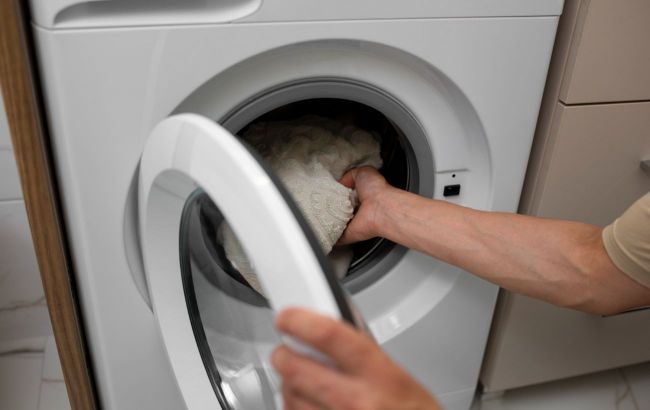 Washing mistakes that increase your bills (photo: magnific)
Improper use of a washing machine can often quietly increase utility bills and speed up the wear and tear of the appliance. What to avoid during your next wash — read below, according to Good Housekeeping.
Using the wrong wash cycle
Modern washing machines have between 10 and 15 wash cycles.
However, intensive cycles should not be used for lightly soiled clothes. The reason is that they use more water than necessary.
Using them for everyday laundry leads to unnecessary waste and can prematurely wear out clothing.
Excessive use of the extra rinse function
Another common habit is setting an additional rinse cycle. Turning on extra rinse cycles increases total water consumption without significant benefit. Depending on the model, this can be several to dozens of liters per cycle.
The machine also uses energy for:
- Pump operation
- Drum rotation
Starting multiple partial cycles
When a washing machine operates, it does not consume electricity and water evenly. The highest consumption occurs during program start, when heating water, spinning the drum, running the pump, and powering electronics are active.
If instead of one full wash you run several separate cycles — even with small loads — these costs are repeated each time.
Additionally, each new cycle uses resources again to fill and heat water, rinse, and spin. As a result, total electricity and water consumption increase.
Overloading the machine
If the drum is overloaded, clothes do not mix properly and are not washed effectively. This often forces a second wash, doubling water and electricity usage.
The machine is designed for a certain load. When overloaded, it uses almost the same resources but delivers worse results.
Overloading also accelerates wear on bearings and the motor. This does not directly affect monthly bills but can lead to expensive repairs or replacement.
Using a low-quality detergent
Weaker formulas remove dirt less effectively, so people often add more detergent than needed. If clothes are not clean after the first wash, the cycle has to be repeated, doubling electricity, water, and detergent costs.
Poorly dissolving powder may leave residue, which, over time, affects the washing machine’s performance and may require additional maintenance.
You might also be interested in: