Stop cooking like this: 5 ways your food may become toxic

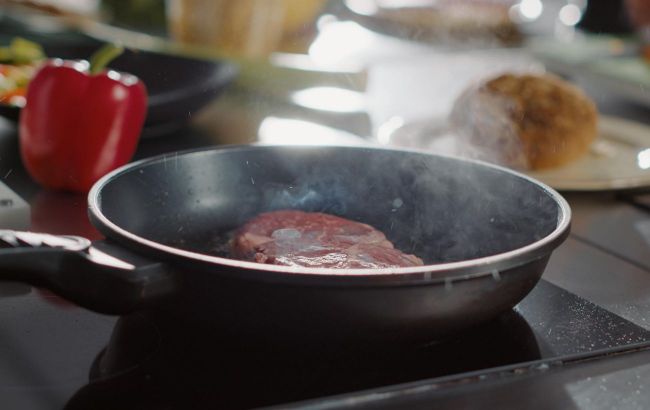 Harmful cooking methods named (photo: Freepik)
Everyday cooking methods can hide serious risks. During high-temperature cooking, such as frying or grilling, compounds form in food that negatively affect the cardiovascular system and may have carcinogenic effects, according to Verywell Health.
Deep frying
Deep frying involves cooking foods such as French fries or chicken nuggets in very hot oil. People who consume a lot of fried food may have an increased risk of:
- Heart disease
- Obesity
- Type 2 diabetes
Frying food in hot oil creates trans fats — an unhealthy type of fat that increases the risk of heart disease, stroke, and certain types of cancer.
A study published in the journal Foods found that frequent consumption of fried food may increase inflammation in the body and the risk of type 2 diabetes.
Grilling
Charcoal grilling involves cooking food over an open flame. Exposure to extremely high temperatures can lead to the formation of harmful chemicals.
When cooking meat such as beef, pork, poultry, or fish over an open flame, the following compounds may form:
- Heterocyclic amines (HCAs): formed when amino acids in animal proteins react to high temperatures
- Polycyclic aromatic hydrocarbons (PAHs): formed when fat and juices from meat drip into the fire, causing flames or smoke
High-temperature pan frying
As with grilling, frying meat and poultry at high temperatures in a pan can also lead to HCA formation.
Cooking meat at high temperatures, especially above 150°C, is likely to produce HCAs.
High-heat frying can also lead to the formation of PAHs if the meat becomes hot enough to start smoking.
Overcooking
Overcooking can destroy available nutrients and create harmful chemicals. When food is overcooked, substances such as HCAs, PAHs, and acrylamide may form.
Acrylamide is a chemical found in starchy foods such as French fries, potato chips, and breakfast cereals. It forms when starchy foods are cooked at high temperatures and begin to brown.
Reheating in plastic containers in the microwave
Reheating leftovers or any food in plastic containers in the microwave may lead to exposure to harmful chemicals. This is because tiny plastic particles known as microplastics can enter food during heating.
Ingesting microplastics increases the risk of several chronic diseases, including:
- certain types of cancer
- Heart disease
- Digestive problems
- Infertility
Avoid reheating food in plastic containers in the microwave whenever possible. If a plastic container becomes softer after microwaving, it is a sign that it is degrading and chemicals may be leaking into the food.
Healthier cooking methods
It is better to choose low-heat cooking methods, including:
- Steaming
- Boiling
- Baking
When cooking, avoid excessive browning. Use oils that withstand high temperatures, such as canola or avocado oil.
Try to include more raw foods in your diet, such as fresh fruits and vegetables.
This material is for informational purposes only and should not be used for medical diagnosis or self-treatment. Our goal is to provide readers with accurate information about symptoms, causes, and methods of detecting diseases. RBС-Ukraine is not responsible for any diagnoses that readers may make based on materials from the resource. We do not recommend self-treatment and advise consulting a doctor in case of any health concerns.