Iran's elite tensions could turn covert under new supreme leader - Expert warns

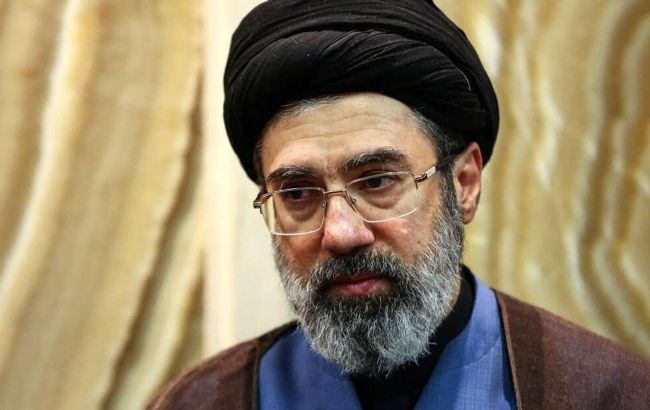 Photo: Iran's new supreme leader Mojtaba Khamenei (Getty Images)
Clashes between moderate and radical factions within Iran’s elite are likely to increase, though they will become more concealed following the emergence of a new leader, citing an exclusive comment from Beni Sabti, an Iran expert at Israel’s Institute for National Security Studies.
"What we saw about the clashes between the parts of the regime, yes, it was huge in these two-three days. We saw some that they oppose the choosing Mojtaba as the new leader, and the problem is that the radical part succeeded to bring him, and it's a sign of their dominance in this issue," Sabti said.
Sabti noted that clashes between moderates and radicals have existed before and will continue. He recalled tensions between Iran’s president and the Islamic Revolutionary Guard Corps (IRGC), when the president said Iran would not bomb neighbors while attacks were carried out at the same time against places like Dubai.
"So we will have it more and more, but more quietly because now there is a leader. They had that chance that there was no leader, so the clashes were out. But now... it- it will be more hidden. That temporary leadership council, of course, is cancelled; they go home, and everybody will be in his position again," the expert said.
What happened earlier
Yesterday, March 8, Iranian state media reported the appointment of a new supreme leader. The position was taken by Mojtaba Khamenei, the son of Ayatollah Ali Khamenei, who was killed on February 28 in US–Israeli strikes.
Earlier, RBC-Ukraine sources said Mojtaba’s rise could reshape the balance of influence within Iran’s elite, as his appointment strengthens security structures while weakening other factions.
The new leader is considered an ultra-conservative who supports stronger backing for terrorist groups in the region and tougher suppression of protests inside the country.
The appointment has also sparked controversy because Mojtaba Khamenei does not hold the religious title of ayatollah, traditionally seen as important for holding the highest position in Iran’s political system.
Israeli Prime Minister Benjamin Netanyahu also stated that the future of relations between Israel and Iran depends on the Iranian people themselves.
He emphasized that Iranians must stand up against the current regime if they want to change the country’s political course and open the way for normalization of relations between the two states.