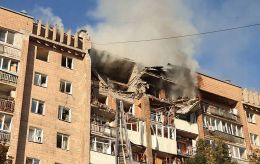
Ballistic missiles, jet-powered Shaheds, energy strikes: What to expect from Russia this fall and winter

 Photo: What to expect from Russian attacks this fall and winter (collage by RBC-Ukraine)
Russia continues to attack Ukraine’s civilian infrastructure, including the energy sector, in the Odesa region and in frontline and border areas. The Russian army is actively using new tactics and means of attack, but it is also not abandoning the conventional Shahed drones.
RBC-Ukraine spoke with specialized experts to identify the most dangerous Russian weapons, the most massive strikes, and the new weapons that will be added to the already familiar Kinzhal, Iskander, and Geran systems.
Key points
- Russia is creating large numbers of cheap jet-powered means of attack. Their task is to overload Ukrainian air defenses.
- In the fall and winter, the development of combined-attack tactics should be expected. This means several waves of strikes at different times of day, different altitudes, and different flight speeds.
- Fall and winter bad weather complicates the detection of aerial targets. It primarily reduces the effectiveness of optics.
- Ukraine's key task is to ensure that all layers of air defense operate effectively. To do this, they must be supplied with a sufficient number of weapons.
Changing tactics and new targets
As aviation expert Kostiantyn Kryvolap said in a comment to RBC-Ukraine, as in previous winters, the Russians will likely actively use Iskander-K, Kh-101, and Kalibr missiles. The Banderol has also been added to the list of cruise missiles, now in a new modification. Among ballistic missiles are Iskander-M, Zircon, and Onyx-M. Also, North Korean KN-23 missiles should not be forgotten.
Experts interviewed by RBC-Ukraine agree that despite the wide arsenal of strike weapons, drones will remain the main means of mass attacks in terms of numbers. The main change this year lies not simply in increasing their number, but in changing the composition of the attacks themselves.
Russia is increasing its use of jet-powered strike UAVs while simultaneously making more active use of ballistic missiles.
As the Ukrainian Council of Defense Industry emphasized, recent weeks have shown what combined attacks can look like, with decoy UAVs, conventional Shaheds, jet-powered Gerans, cruise missiles, and ballistic missiles being used simultaneously. The purpose of such attacks is to overload different layers of Ukrainian air defense and force Ukraine to spend more expensive interception assets.
Aviation expert Anatolii Khrapchynskyi, in a comment to RBC-Ukraine, emphasized that recently Russia has also converted a training target into a cheap cruise missile capable of flying hundreds of kilometers and named it Dan-T. Mass production of this weapon currently runs into a shortage of engines.
According to him, Russia's key task was to create a large number of cheap jet-powered means of attack capable of overloading Ukrainian air defenses. For this purpose, the development and modification of the Kh-69, Kh-59, and subsequent missile models began.
Overall, experts interviewed by RBC-Ukraine note that the energy sector will remain one of the key targets. But compared with last winter, the Russian campaign is becoming broader. In recent weeks, systematic strikes have been recorded against railway logistics, depots, locomotives, and stations, as well as a concentration of attacks on major urban and economic hubs.
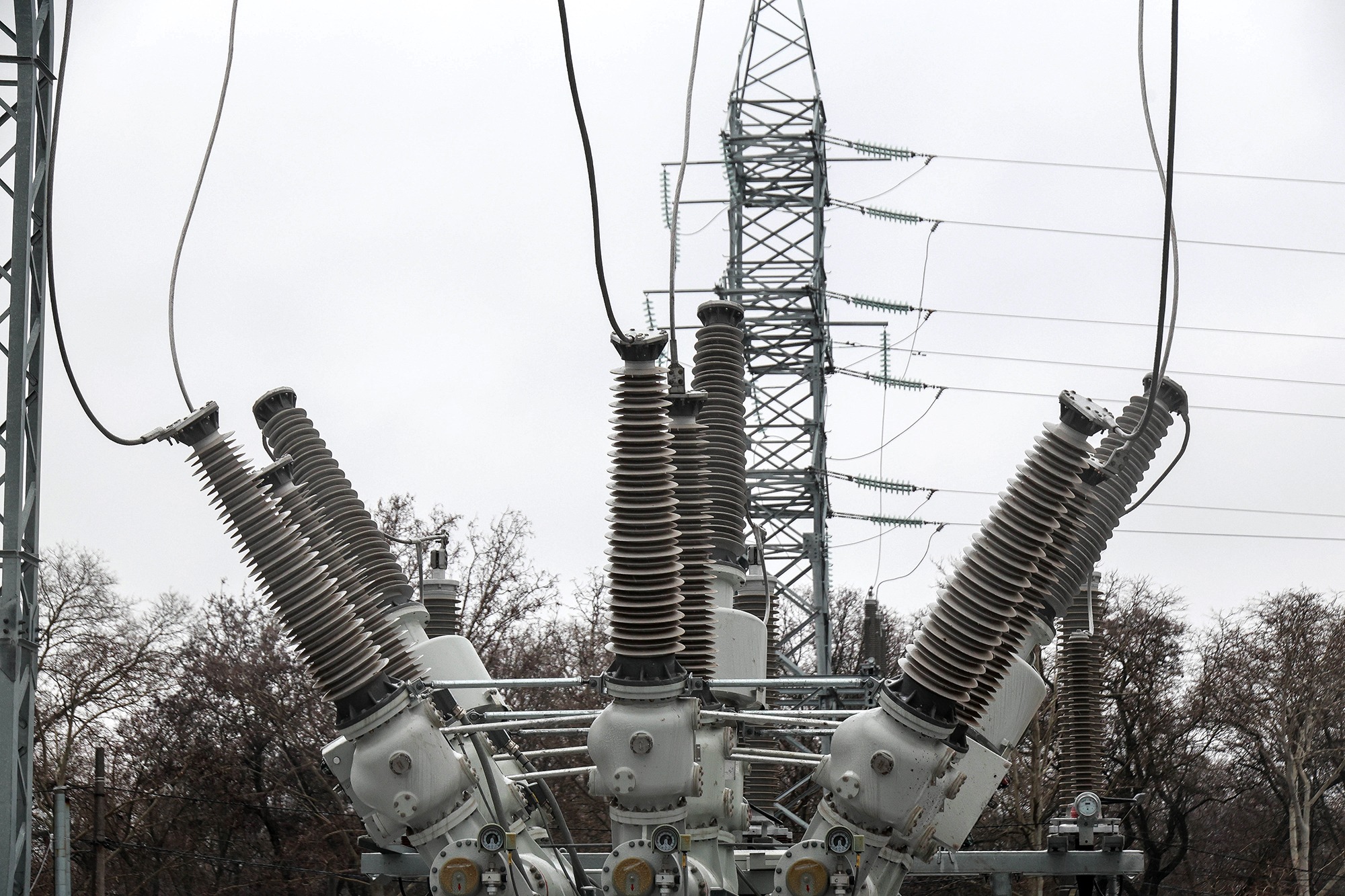
Photo: Energy grid (Getty Images)
In the coming months, Russia can be expected to look for weaker and less protected elements of the energy system. Large power plants and some substations are better covered by air defenses and engineering protection today, so the enemy may pay more attention to elements of the grid that are physically more difficult to protect.
This primarily concerns high-voltage power lines and other distribution infrastructure. Hitting such facilities may be less spectacular than striking a large power plant, but it will create serious problems for electricity transmission and require complex repairs.
Experts from the Council of Defense Industry also note that further development of combined-attack tactics should be expected: several waves at different times of day, different altitudes and flight speeds, preliminary reconnaissance of air-defense positions, and the concentration of a large number of weapons in one direction.
The emergence of specialized weapons specifically designed to disable power grids cannot be ruled out either. But here it is important to distinguish between what Russia is already using and technologies that remain only a possible area of development.
Ballistic missiles – the number one challenge?
Among the most difficult threats are ballistic and high-speed missiles, primarily Iskander-M and Zircon. The issue is their speed, flight trajectory, and the very short amount of time available to detect and intercept these weapons.
Specialized anti-missile systems are needed to counter such targets, primarily Patriot systems with PAC-3 missiles. The limited number of such systems and interceptors remains one of the most vulnerable points of Ukrainian air defense.
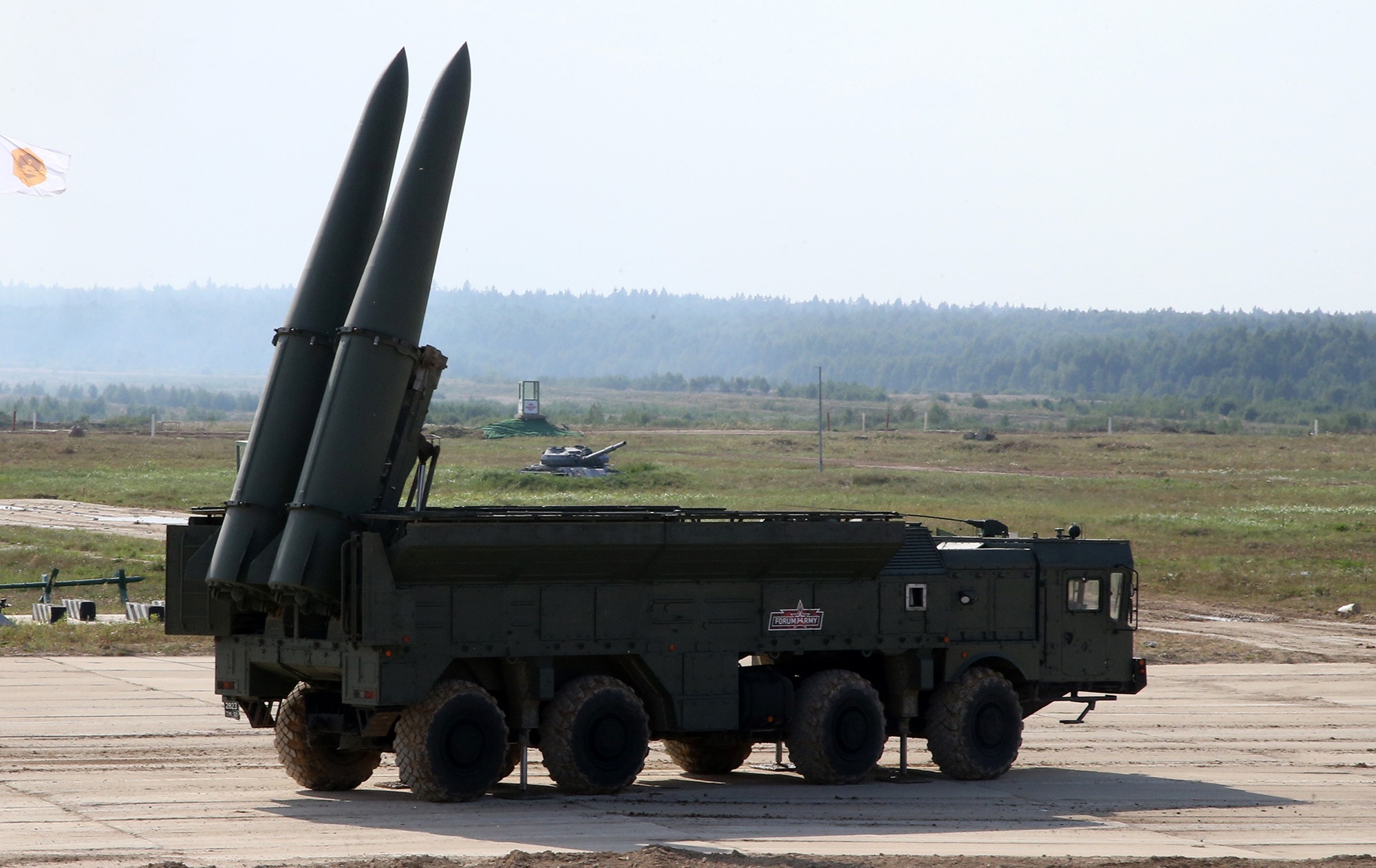
Photo: Iskander (Getty Images)
Jet-powered Shaheds, meanwhile, are a rapidly growing problem: their higher speed makes them less accessible to mobile fire teams and most interceptor drones, so countering them more often requires aircraft and anti-aircraft missiles.
Russia is forcing Ukraine to spend a more expensive air-defense resource on a cheaper means of attack, and as long as the effect persists, the use of such drones is likely to increase – although Ukrainian air defenses and the defense industry are already adapting by developing high-speed interceptors.
The head of the unmanned technologies department at the Serhiy Prytula Charity Foundation, Kyrylo Liukov, adds that most likely, in the future, the Geran-4 will become Russia's main jet-powered long-range strike drone.
He added that the jet-powered drones are still significantly more complicated, primarily in terms of scaling, because jet engines are not as readily available as internal combustion engines. Accordingly, the price of the weapons is several times higher.
Also, speaking about the new range of aerial threats, experts from the Council of Defense Industry emphasize that the most realistic direction is already taking shape: more jet-powered strike UAVs and various hybrids between a drone and a cruise missile. Such systems are cheaper than a conventional cruise missile, but faster and more difficult to intercept than a conventional Shahed.
For Russia, this is an economically advantageous direction. Instead of trying to scale up production of expensive Kh-101 or Kalibr missiles without limits, it can produce much simpler weapons with a jet engine, sufficient range, and a warhead.
The second possible direction of development is greater autonomy and coordination of UAVs. Using algorithms to distribute targets, select routes, and coordinate groups of drones. But for now, this is a promising direction rather than an already established capability to massively deploy fully autonomous swarms of drones.
As Tymofii Yurkov, co-founder of Contra-Drone, told RBC-Ukraine, the key problem in countering missile-like drones is their speed. It critically reduces the response time available to interception forces and extremely narrows the window during which the missile or drone remains within the range of electronic warfare systems.
During the short period when a high-speed target flies past a jamming station, its onboard navigation system simply does not have enough time to accumulate sufficient error to seriously deviate from its course or disrupt the completion of its mission.
The situation is further complicated by the fact that the enemy is beginning to actively introduce 16-channel anti-jamming CRPA antennas and use Mesh communications to interact between strike weapons.
That is why the only effective response from electronic warfare is to massively increase the number and density of such systems along approach routes. Only the creation of a continuous layered jamming field makes it possible to create conditions for a guaranteed disruption of Mesh networks and interference with accurate targeting of infrastructure facilities.
Will Patriots save the day?
Ukrainian officials and speakers talk almost every day about the need for new aid packages with interceptor missiles. This is indeed one of the most acute shortages. But the key factor in protecting Ukraine from Russian attacks is a multilayered air-defense system. Different types of weapons counter different threats, and it is impossible to fully replace one component with another.
Against ballistic missiles, Patriot systems with PAC-3 and SAMP/T are critically necessary; against mass attacks by piston-powered Shaheds, interceptor drones, mobile fire teams, aircraft, and anti-aircraft systems play an important role. In the case of jet-powered Shaheds, the role of aviation is now increasing, while Ukraine also needs to scale up high-speed interceptor drones. Radars and detection systems are no less important.
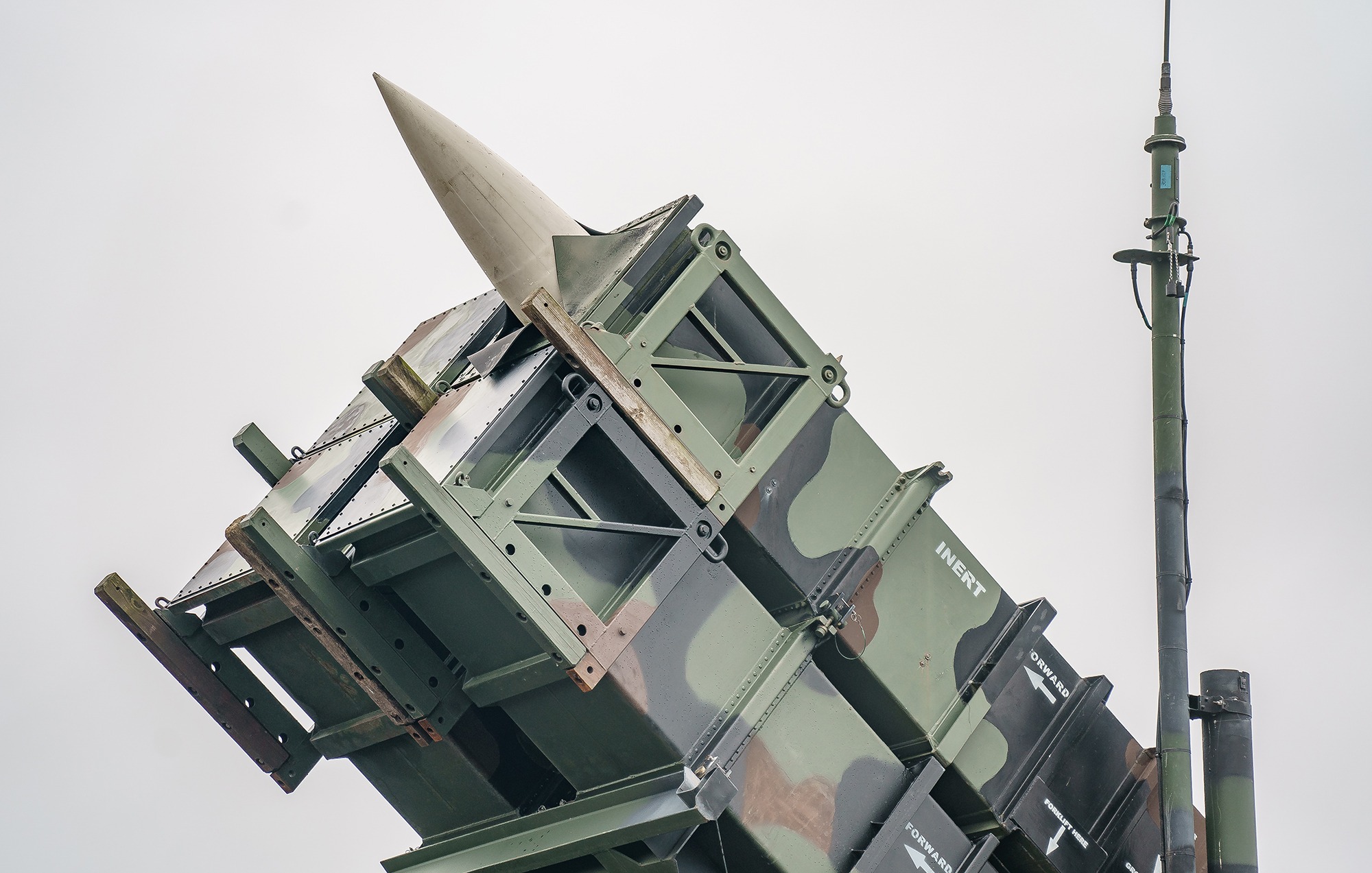
Photo: Patriot (Getty Images)
Fall and winter bad weather complicates the detection of aerial targets, primarily affecting optics: low clouds at an altitude of 100–150 meters and dense fog leave MANPADS operators only a few seconds to visually acquire a jet-powered target with a thermal seeker before it disappears back into the clouds.
For electronic warfare systems, frost and bad weather are not a critical obstacle – radio waves penetrate clouds and fog of any density, so the importance of electronic protection only increases in blind weather, says Tymofii Yurkov.
However, winter brings purely operational difficulties: the load on power systems and generators increases, the rotating mechanisms of antenna systems require constant maintenance to prevent icing, and very dense wet snow creates additional attenuation of high-frequency signals.
As Serhii Honcharov, CEO of NAUDI, told RBC-Ukraine, unfortunately, insufficient emphasis was placed on air protection and the operation of air defenses at the beginning of the year. Both military personnel and certain government officials have spoken about this.
Companies also developed solutions against higher-speed targets on their own initiative, and Brave1 also encouraged this. As always, the main limitation turned out to be financial resources.
The key task is to ensure that all layers of air defense are supplied with a sufficient number of weapons and operate as a single system. The most problematic segment today remains ballistic missile defense.
Quick Q&A
– What weapons will Russia use to attack Ukraine in the fall and winter?
– In addition to the already known Kinzhal, Iskander, and Geran systems, Russia is expanding its arsenal: Banderol cruise missiles in a new modification, Iskander-M, Zircon, and Onyx-M ballistic missiles, North Korean KN-23 missiles, as well as the cheap Dan-T cruise missile converted from a training target. The main change is not the number but the composition of the attacks: the share of jet-powered strike UAVs is increasing, while ballistic missiles are also being used more frequently.
– Why are ballistic missiles considered the most difficult threat?
– Because of their speed, flight trajectory, and the very short amount of time available for detection and interception. Specialized systems are needed to counter them – primarily Patriot with PAC-3 missiles. The limited number of such systems and interceptors remains one of the most vulnerable points of Ukrainian air defense.
– Why are jet-powered Shahed drones dangerous?
– They are significantly faster than conventional piston-powered drones, making them less accessible to mobile fire teams and most interceptor drones. Countering them more often requires aircraft and anti-aircraft missiles. Russia is forcing Ukraine to spend a more expensive air-defense resource on a cheaper means of attack.
– What does Ukrainian air defense need for effective countermeasures?
– A multilayered system: Patriot with PAC-3 and SAMP/T against ballistic missiles; interceptor drones, mobile fire teams, aircraft, and anti-aircraft systems against piston-powered Shaheds; as well as scaling up high-speed interceptors against jet-powered drones. Radars, detection systems, and automated control are no less important as without timely target detection, even a good interceptor cannot operate with maximum effectiveness.