Intel ON FIRE: How Ukraine’s spies reshaped war in 2025

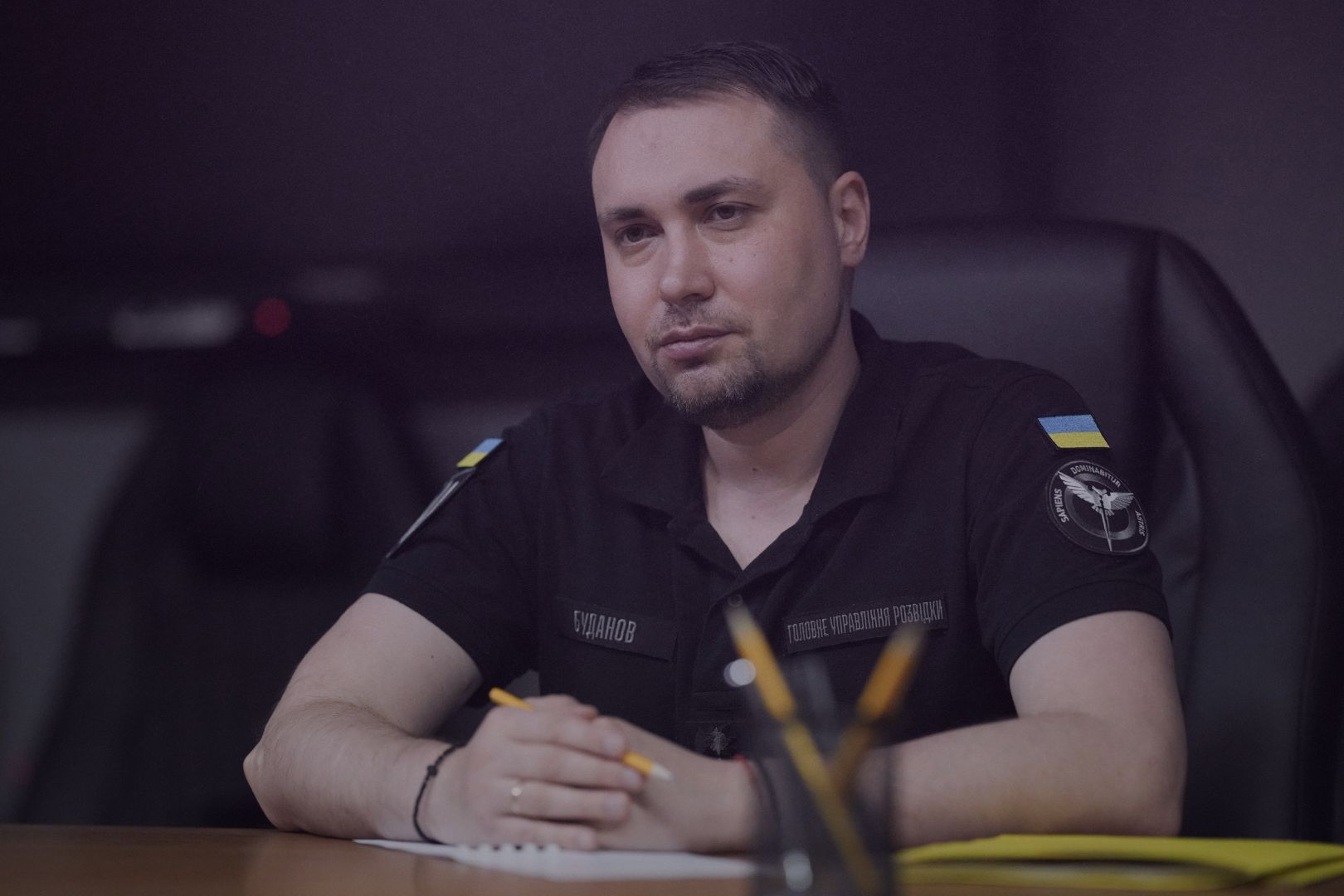
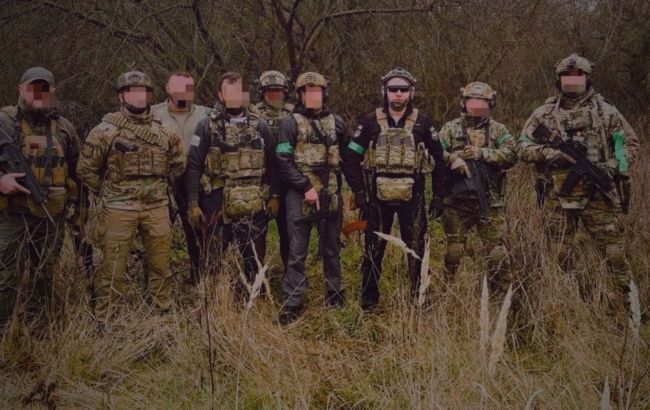 Head of Defense Intelligence Kyrylo Budanov with intelligence officers (all photos provided by the MOD’s Defense Intelligence)
Ukrainian military intelligence operations, combat activities, and achievements in 2025 – a column by Defense Intelligence representative Andrii Chernyak for RBC-Ukraine.
On the horizon, the afterglow was fading. The weary sun slowly plunged into the fiery lava of its own light, hiding behind the skeletal outlines of forest belts — just a little longer, and they would be completely swallowed by the violet of dusk. The time had come.
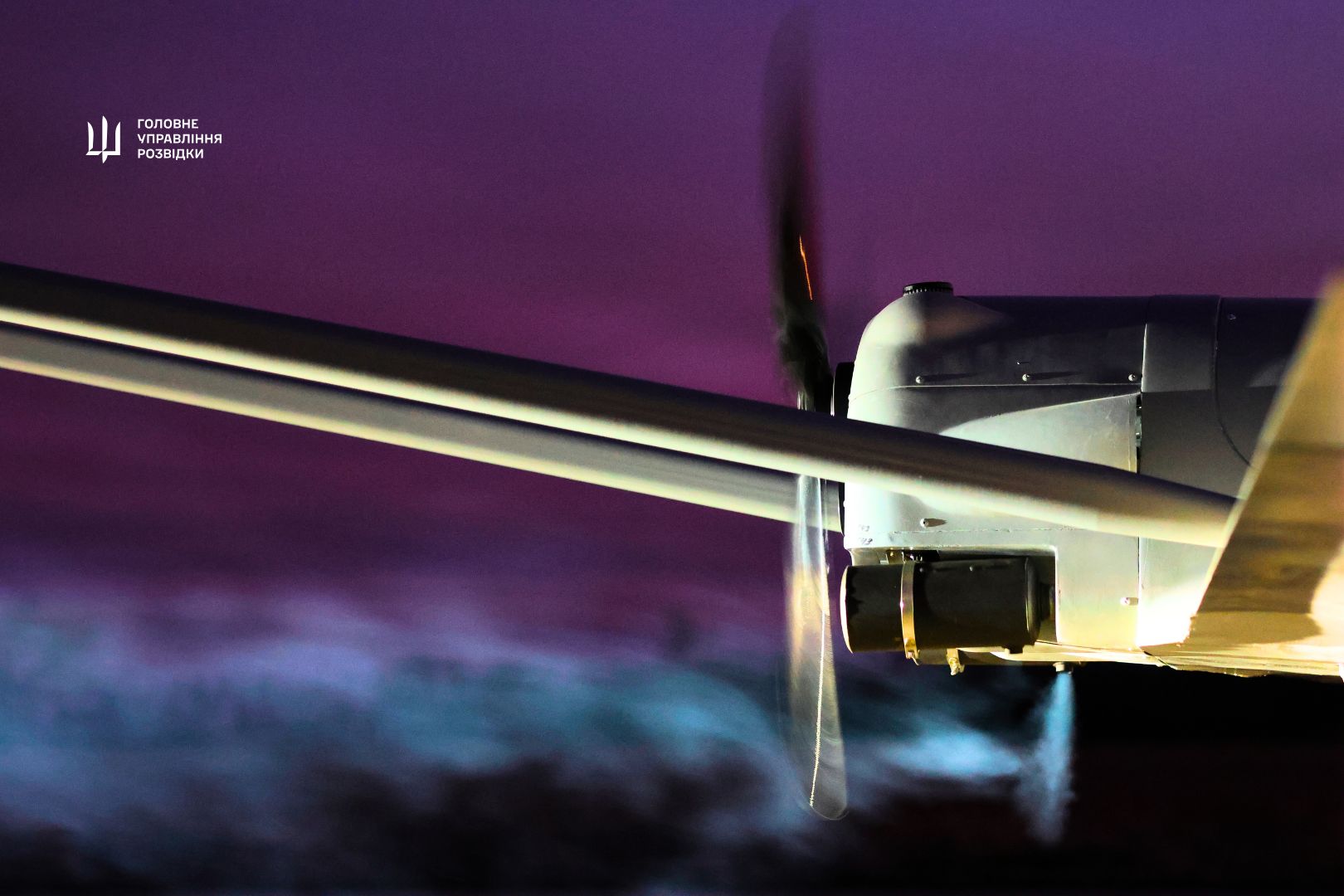
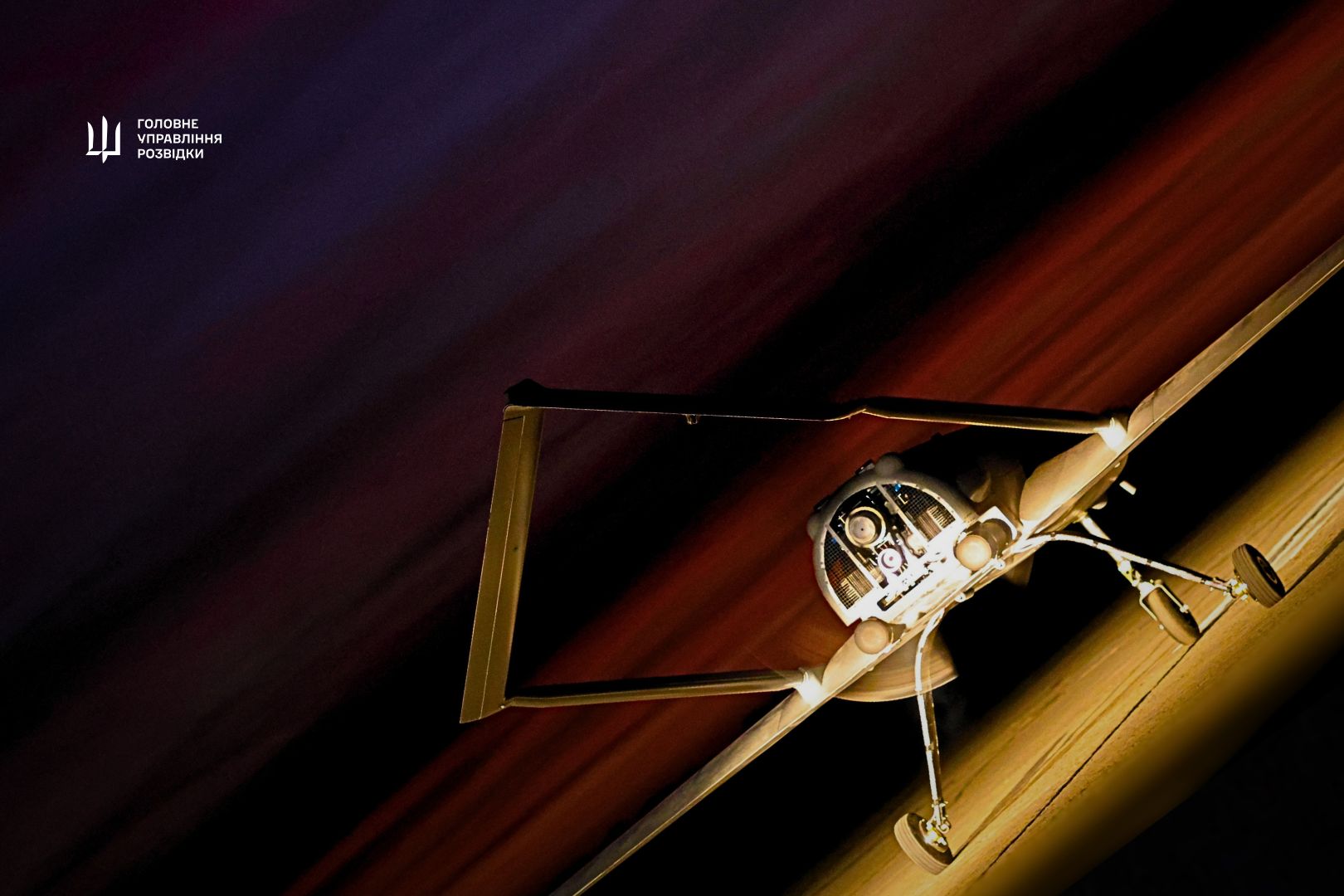
At one of the top-secret locations, several vehicles arrived simultaneously. Their headlights reflected a bluish silhouette — its propellers, wings, and landing gear. Shadows moved around as Defense Intelligence (HUR) special forces checked the readiness of long-range Bober and Liutyi drones, packed with explosives.
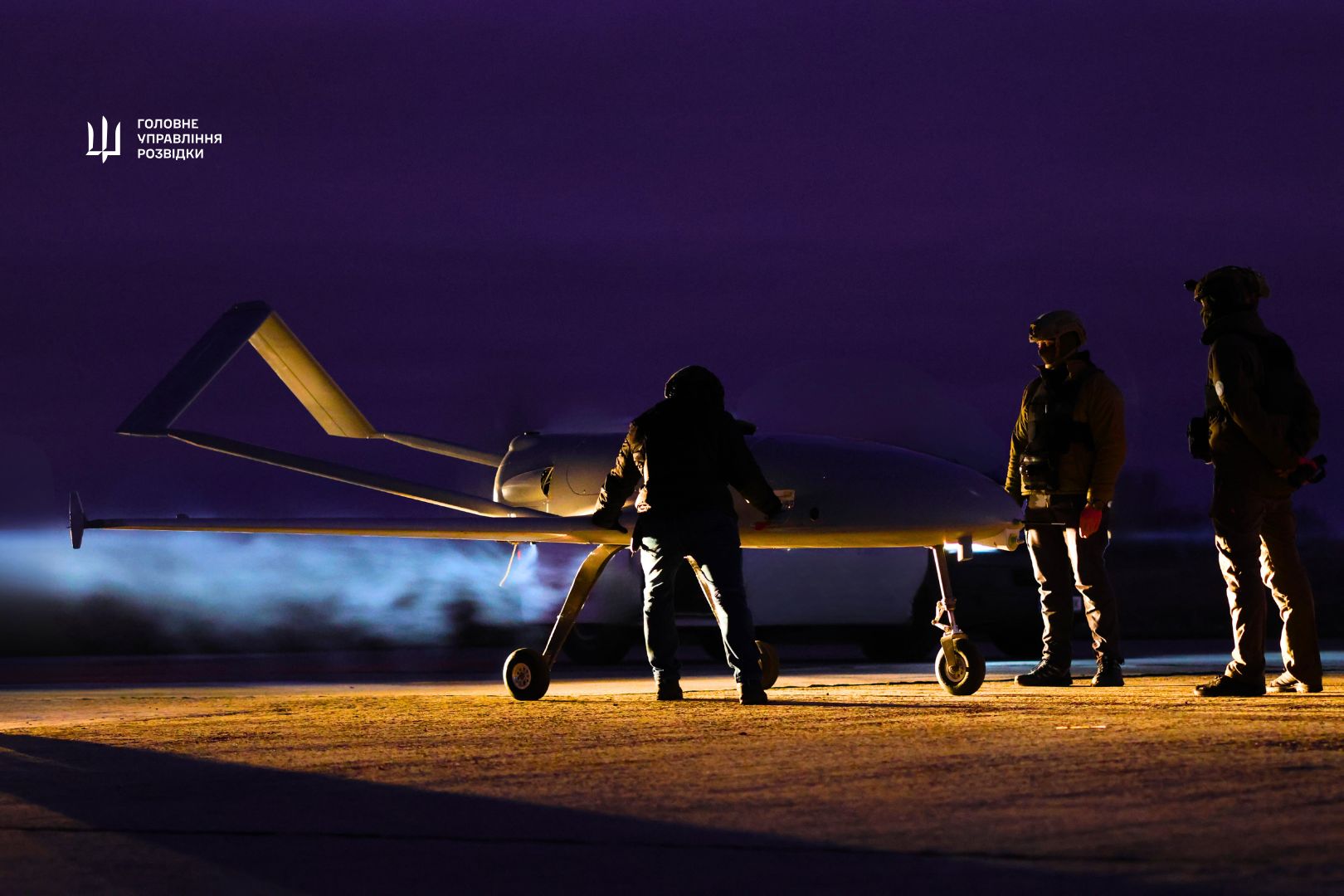
The engine roared — and the first one was off: it lifted from the ground, gained altitude above the treetops of bare trees, caught the last red clots of sunlight with its wings, and headed in the opposite direction. That night, Russia’s blood and iron of war would burn once again: oil refineries, defense industry facilities, air defense systems, and enemy aviation and naval assets.
The target coordinates were obtained by intelligence operatives. Enemy firepower on land, in the air, and at sea — capable of covering hundreds and thousands of kilometers — is in the arsenal of HUR fighters. Often, this cutting-edge weaponry is produced with the direct involvement of, or in close cooperation with, HUR’s own tech specialists.
An entire system of experts and machines within Ukraine’s military intelligence structure works to continuously gather new data and verify the results achieved by their brothers-in-arms — the masters of the martial arts of war in the 21st century.
And finally, the mechanisms for the timely public demonstration of Ukraine’s strength and resilience in the fourth year of the most brutal war in Europe since World War II.
Demonstrations — for ourselves, for the eternal enemy, for the entire world.
In 2025, the vast and complex mechanism of the HUR of the Ministry of Defense of Ukraine functioned flawlessly and effectively — facts bear this out. Together with all of the state’s Security and Defense Forces, Ukrainian military intelligence operatives created true masterpieces of military art — operations that few in the world would dare to attempt, few would believe possible, and that armed forces across the globe now seek to learn from.
All these creations, these results of struggle, serve to protect our cities and villages from Russian barbarism, to drain as tangibly as possible the drunken vampires of Moscow and reduce their armada, and — through action — to instill confidence that tomorrow the sun will rise over Ukraine once again and the fight for our free life will continue.
'Sanctions' against Russian oil
In 2025, HUR special units became a key component of the long-range strike campaign carried out by Ukraine’s Security and Defense Forces, aimed at sharply reducing the aggressor’s sources of revenue for waging war.
As a result of Ukraine’s so-called "sanctions" — the term used by the media to describe our long-range strikes — Russia’s oil refining output fell by nearly 21%.
"Do you understand what kind of losses this means? These are enormous sums of money. Russia’s economy is built precisely on this — oil, gas, and, so to speak, gold. That’s it. There is nothing else," said Lieutenant General Kyrylo Budanov, Head of the HUR of the Ministry of Defense of Ukraine, describing Ukraine’s "sanctions" policy against the aggressor state’s oil refining sector in one of his interviews.
The gas transportation infrastructure of the aggressor state, Russia — like its oil transportation network — was affected by mysterious adverse geological phenomena that even metal pipelines could not withstand. This happened recently, for example, to the Central Asia–Center main gas pipeline in the Volgograd region; earlier, in July, to a section of a main gas pipeline in the city of Langepas in the Tyumen region; and in October, to all three lines of the Koltsevoy petroleum products pipeline in the Moscow region.
At peak moments, Russia even experienced fuel shortages. Resource scarcity caused by the war, along with other negative consequences for the economy and financial sector, is something the population of the aggressor state must feel — something Moscow and its occupying army must feel. And they do.
Thus, this is an important result — one that can and should be taken pride in, especially at a time when the impact of economic sanctions against Russia has fallen short of the expectations of the Ukrainian people, against whom Russia continues to wage a genocidal war.
Elusive Prymary (Ghosts) in Crimea
Successful strikes on the oil refining infrastructure of the aggressor state, Russia, as well as on its defense industry facilities, are the result of extensive and complex work.
For the process of weakening the aggressor to be effective, it is not enough to have precise data obtained through cyber capabilities, space-based, human, and OSINT intelligence. It is equally important that a capable long-range drone or missile can reach its target without obstruction.
Accordingly, the destruction of Russia’s air defense systems became a key vector of HUR combat operations.
In 2025 alone, just one military intelligence special unit — the Prymary (Ghosts) — destroyed or disabled Russian air defense assets worth billions of dollars.
The now-traditional systematic video reports released by the Prymary documenting their combat operations are a true source of pride for every Ukrainian, offering historic footage of strikes against Russian military facilities, including those located in temporarily occupied Crimea. High-value radar systems, launchers, and command posts of S‑300 and S‑400 air defense systems were set ablaze, along with Russian Pantsir, Buk, and Tor systems, as well as military vessels, helicopters, and aircraft.
For the first time in history, the Prymary tracked down and struck two Russian Be‑12 Chaika amphibious aircraft equipped with expensive systems designed for submarine detection and anti-submarine warfare.
Alongside the Prymary, other special units and components operate within Ukraine’s military intelligence, employing long‑range drones and missiles and striking the aggressor during combined attacks by Ukraine’s Security and Defense Forces. Their results likewise undermine Moscow’s military potential.
The gaps created in the enemy’s defensive systems through Ukraine’s precision strikes make it possible to penetrate to strategic depth and achieve military objectives.
Land. Active operations
The difficult situation along the line of contact with the Russian occupation army left no alternative but to increase the size and strengthen the quality of training of the HUR of the Ministry of Defense of Ukraine’s active operations units, to scale up the unmanned component, and to employ the force of military intelligence special operations troops in the most challenging sectors.
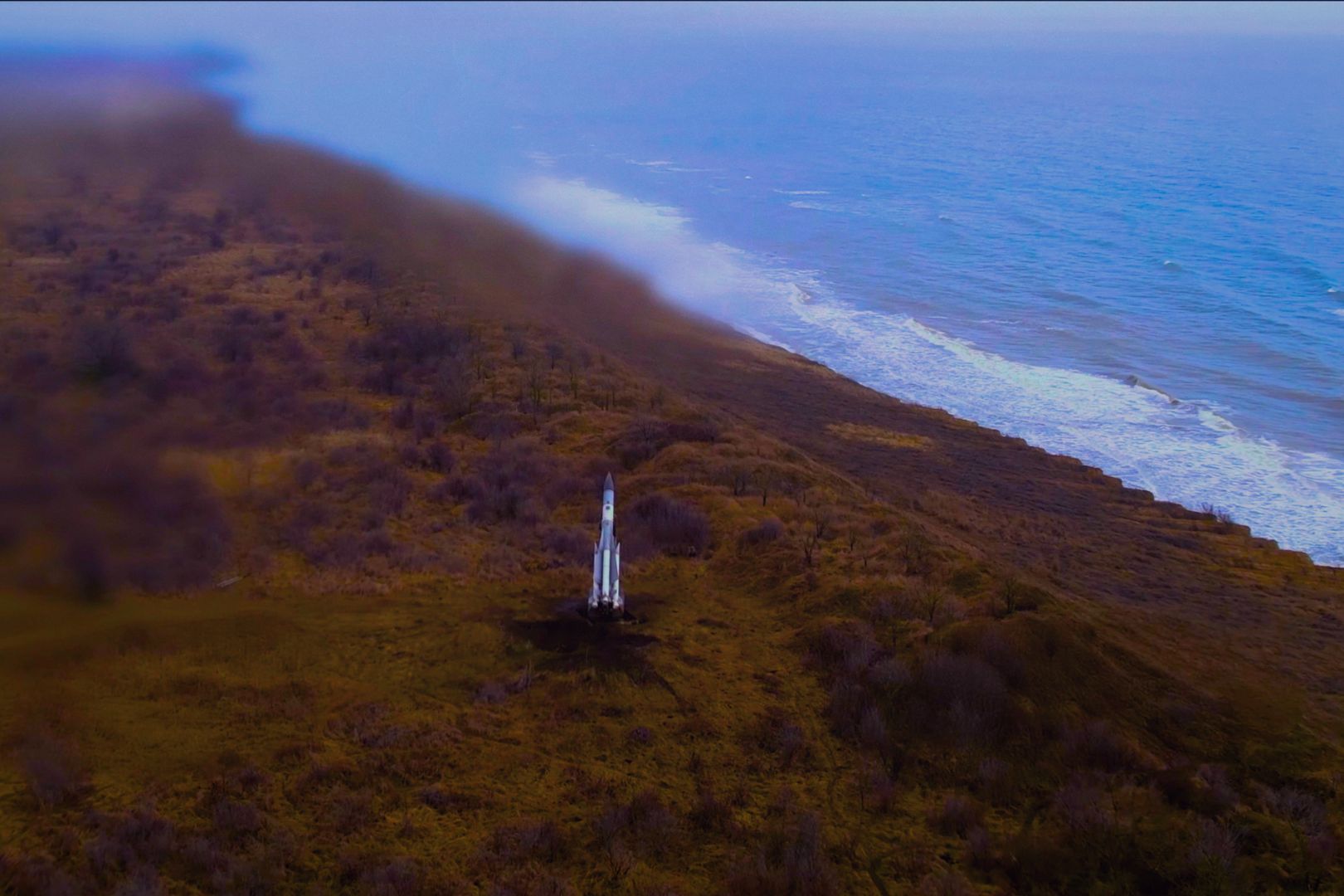
The Active Operations Department of Ukraine’s HUR, which unites special units such as Kraken, Artan, Shamanbat, the International Legion, and a number of other technological detachments, continuously showcased footage of the methodical destruction of Muscovites — their vehicles, weapons, military equipment, and drones — from various sectors of the front. This was carried out during close-range firefights, via FPV drone raids and heavy bomber drops, artillery strikes, and successful sabotage operations.
An important combat achievement was the joint, complex operation by the HUR special unit Artan and the Third Army Corps of the Armed Forces of Ukraine in the Lyman direction. As a result of coordinated actions, including assault operations, it was possible to stabilize the situation along the designated sector of the front, improve positions, and destroy a regiment of Russian forces.
"Together with HUR, we achieved an operational-tactical result in the Lyman direction. This continues the tradition dating back to the liberation of Moshchun and the helicopter breakthrough to Mariupol —standing shoulder to shoulder with each other. I am grateful for the exemplary cooperation," said the commander of the Third Army Corps, Brigadier General Andrii Biletskyi.
The operation of the Tymur Special Unit in Pokrovsk also generated significant attention, involving HUR aviation. The landing of troops from Black Hawk helicopters, as part of a comprehensive mission to reinforce the city’s defense, was executed with such audacity that it sparked discussions among commentators about the advisability of taking such a risk.
However, war itself is inherently risky. HUR Chief Kyrylo Budanov reminded of this in a year-end interview for Suspilne and explained the significance of the operation near Pokrovsk — the situation was complicated, with Russian forces already reporting the alleged occupation of the city. A city very symbolic for Ukraine, where composer Mykola Leontovych once created his famous "Shchedryk" ("Carol of the Bells").
Nothing other than the use of helicopters could have ensured the rapid concentration of a significant number of forces at a precise point, to hold positions for the arrival of adjacent units of the Armed Forces of Ukraine, repel the enemy, and disrupt active Russian infantry assaults. Thanks to the true heroism of the HUR pilots and special forces, combined with coordinated actions of the involved units, the pace of the Russian advance was halted.
Operations by HUR special units to neutralize enemy forces in the Sumy, Donetsk, Zaporizhzhia, and Kharkiv regions —particularly along the Kupiansk direction — were also critical for stabilizing the situation and improving the tactical position of Ukrainian forces.
In the counterstrike to retake Kupiansk at the end of the year, planned and executed by the Khartiya National Guard of Ukraine (NGU) Corps and Armed Forces units, HUR special forces also participated. The success of Ukraine’s Security and Defense Forces in Kupiansk exposed yet another lie by Putin and his generals about the alleged capture of the city, and once again demonstrated that quality planning and technological solutions on the battlefield can outweigh brute force.
Such episodes of success are especially important against the backdrop of complex diplomacy, which intensified in the fourth year of the exhausting war.
The situation on the front remains tense and volatile, particularly in the Donetsk and Zaporizhzhia regions. These areas require heightened attention — according to military intelligence assessments announced at the end of 2025 by the HUR chief, Donbas and Zaporizhzhia remain a priority in Russia’s conquest plans for 2026.
Kyrylo Budanov factor
Throughout 2025, HUR Chief Kyrylo Budanov continued to follow his personal principle — being alongside special forces fighters where it is most difficult, where the support and words of a general are critically important.
Budanov took to the Black Sea on patrol boats and joined HUR special forces carrying out missions on oil and gas platforms. He was present with the special forces during the operation in the Pokrovsk direction, and shortly before Christmas, he visited the positions of intelligence operatives in the Zaporizhzhia region.
The well-deserved combat awards that Budanov presented to soldiers for their professionalism and courage undoubtedly serve as motivation, but the very presence of a combat general in the sector is a factor that boosts morale and confidence.
A Hero of Ukraine, an outstanding combat general standing alongside troops in the so-called "kill zone," where Russian FPV drones reach — this remains etched in the memory of every soldier and officer who risk their lives daily, fight, build the combat glory of HUR, and write the history of Ukraine.
'From the shadow of the past to the light of victory'
In mid-2024, the Verkhovna Rada of Ukraine (the parliament) passed a law allowing citizens serving sentences in penitentiary facilities to take part in combat. Within HUR, as in other components of the Security and Defense Forces, units were formed that included former inmates.
Despite all the organizational challenges, the sensitivity of the issue, and its unique nature, the results of these units demonstrated their extremely high combat capability.
One such assault unit — Artan X, part of the HUR special unit Artan — held defensive positions for nearly the entire year along designated sectors of the front in the Zaporizhzhia direction, as well as in other parts of the line of contact.
The fighters of X captured Russian prisoners, destroyed enemy forces, and demonstrated the highest level of combat brotherhood — each soldier ready to risk their life to save a comrade.
In May 2025, on the Zaporizhzhia front, three fighters from the unit who infiltrated enemy positions for reconnaissance and sabotage purposes were captured by Russian forces, but were successfully rescued by their comrades through precise FPV drone strikes.
According to the commander of Artan X, callsign Favoryt, there were isolated cases of disciplinary issues among the personnel, but most of the men do not waste their "second chance" — everyone who proves themselves in combat enjoys the same privileges as other soldiers. They receive salaries, have leave time to spend with their families, and are able to dream and plan for the future.
The experience of Artan X and other HUR combat units, which include former convicts among their ranks, is a strong example of a policy that has strengthened Ukraine’s defense capabilities.
Magura. Evolution
Magura — the HUR combat surface drone operated by the specialists of Group 13 — has rightfully become a symbol of victory over Russia in the Black Sea.
In 2025, the world witnessed new historic achievements and the evolution of Magura drones — journalists, military experts, volunteers, and philanthropists were presented for the first time with the latest HUR surface drone modifications:
-
The ruthless killer of the Russian fleet — the V5 kamikaze drone, which sank a number of expensive enemy ships and vessels, effectively pushing the Russian Black Sea Fleet out of occupied Crimea to Novorossiysk Bay;
-
The multifunctional W6P platform, equipped, among other things, with modules for machine guns and other systems, allowing effective patrolling of the Black Sea waters and, if necessary, performing evacuation missions;
-
The elegant hunter of Russian military aviation — the V7 model, armed with two air-to-air missiles.
On May 2, 2025, HUR special forces, for the first time in the history of warfare, destroyed two Russian Su-30 fighter jets with missiles launched from a Magura sea drone.
Exactly one year ago, on December 31, 2024, the specialists of Group 13 became the first in the world to destroy two enemy Mi-8 helicopters with missiles launched from a sea drone. Another helicopter was damaged.
"Today, aircraft no longer approach our boats directly — they understand that the risk of being shot down is too high. Sometimes they try to strike from a long distance, but in most cases, the missiles or bombs fail to reach the target. They simply run out and return to the airfield empty," described the combat results the commander of Group 13, callsign Trynadtsiatyi (Thirteen).
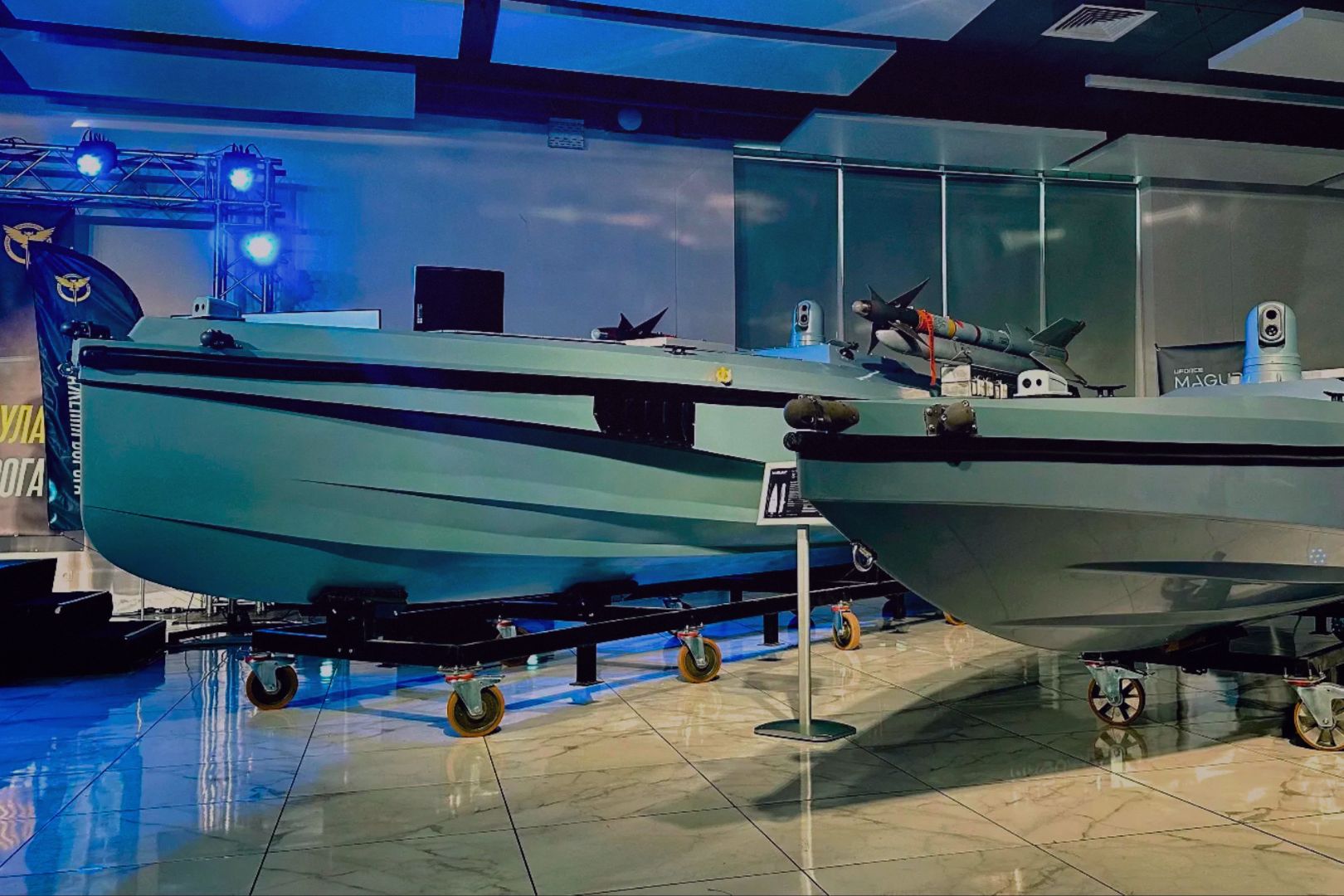
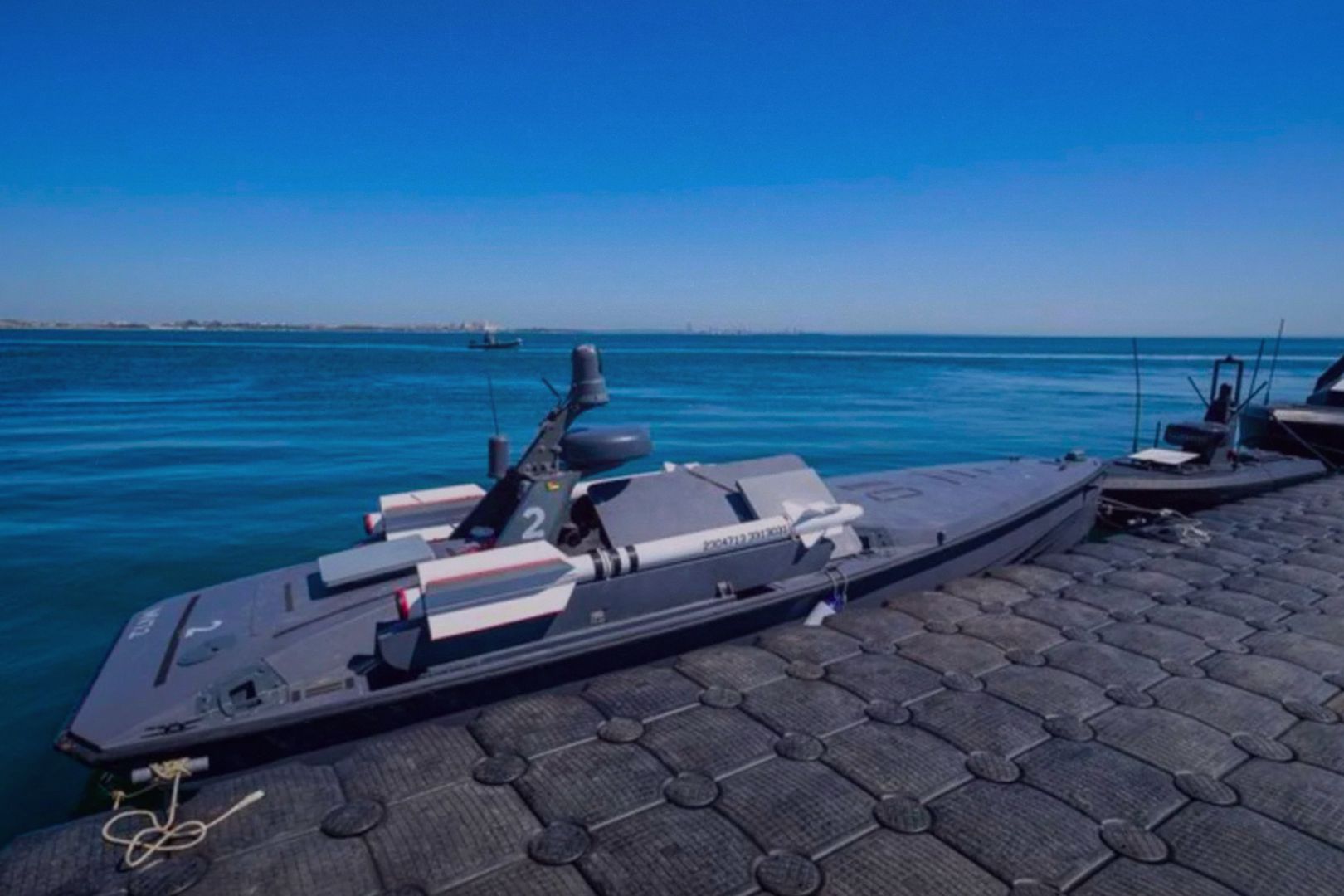
The unique success of Magura at sea and in the air over maritime areas, as well as the results achieved by other naval drones in service with Ukraine’s Security and Defense Forces, are already being studied by NATO militaries.
In the autumn of 2025, Ukrainian naval drones carried out missions for the first time during the Alliance’s large-scale REPMUS military exercises held in Portugal. And in December 2025, Portuguese Prime Minister Luís Montenegro and President of Ukraine Volodymyr Zelenskyy reached an agreement on the joint production of combat naval drones.
'Ophthalmology' by HUR
Special operations, whose involvement HUR neither officially confirms nor denies, and for which the Muscovites themselves blame Ukrainian military intelligence, also deserve a special place in military art textbooks.
In February 2025, there was a series of explosions of the FPV goggles used by Russian occupier units operating drones. Dozens of such incidents occurred.
The "ophthalmology" session for Russian drone operators was carried out by delivering pre-rigged FPV goggles to enemy units under the guise of volunteer, i.e., free, equipment.
The devices exploded the moment they were turned on, right on the heads of the Muscovites. After information about the FPV goggles operation surfaced, the media began drawing parallels with the famous Mossad mission involving booby-trapped pagers. In both cases, it’s a level of supreme skill and ingenuity that truly makes your eyes pop out of their sockets.
Combat units of the Russian army that use drones are actually a serious problem, as the aggressor has shown the ability to rapidly scale their unmanned capabilities. This involves the mass deployment of various types, both combat and reconnaissance drones.
One such enemy unit is the so-called Rubikon center. The stretches of the front where Rubikon forces are deployed become particularly difficult, which is why HUR special forces, together with other components of the Defense Forces, spare no resources in neutralizing the enemy — essentially conducting a real hunt for the operators.
One notable episode occurred in November 2025, when special forces from the Active Operations Department of Ukraine’s HUR identified a Russian Rubikon command post and deployed an FP-2 drone equipped with a warhead weighing over 105 kilograms — eliminating the officers and operators of the enemy unit.
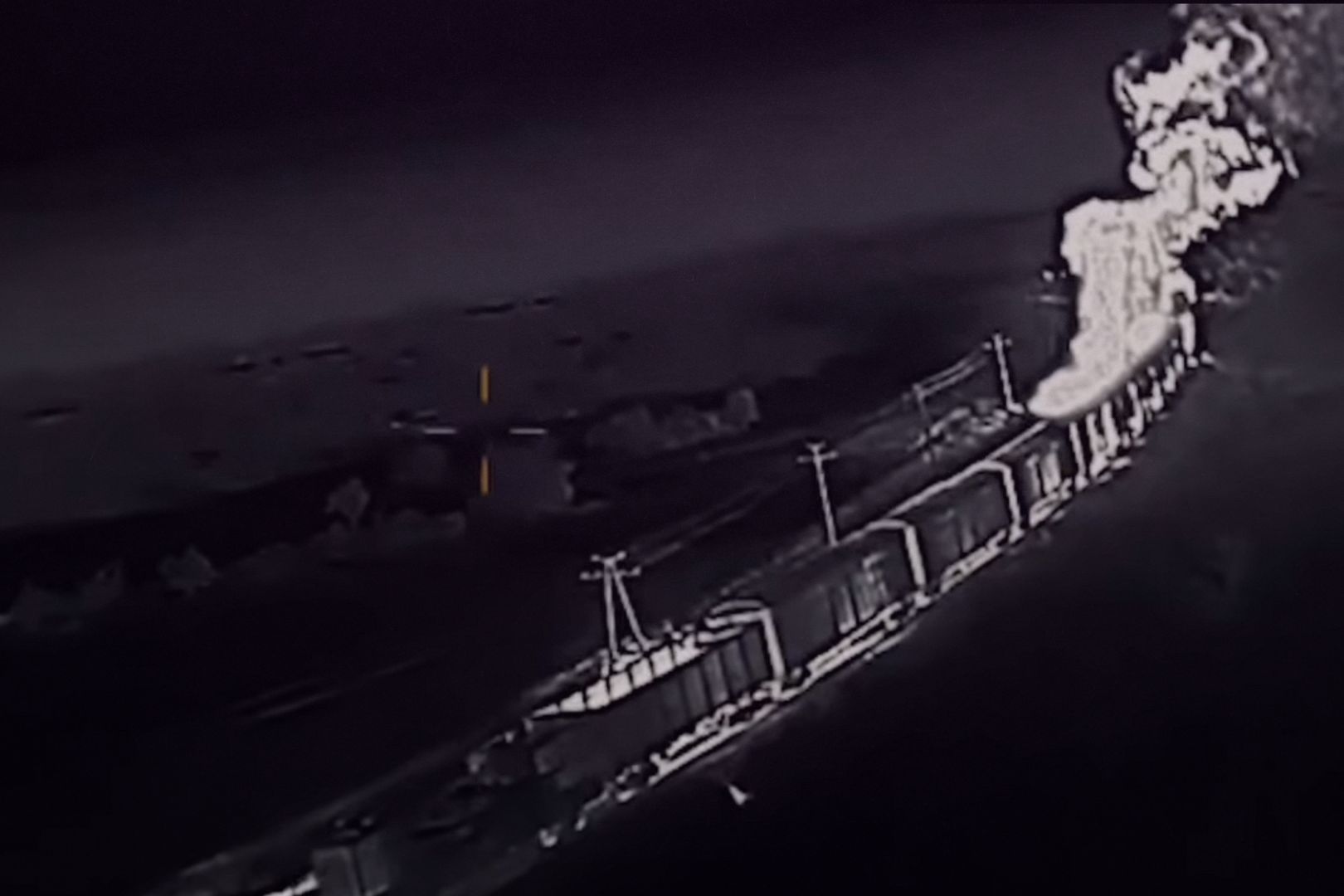
Cutting the logistical lines of the Russian army, both on occupied Ukrainian territories and within the aggressor state itself, is a systematic effort carried out by HUR special forces as well as the resistance movement.
Explosions at enemy depots and bases, attacks on military trains, and strikes on the railway infrastructure used by the Russian occupying army slow down its operations and get under the skin of the Muscovite leaders.
Struggle must become everyone’s responsibility
The landmark operations and significant achievements mentioned above, which demonstrate the development of Ukraine’s HUR, of course, do not cover all areas of activity.
HUR continues to provide Ukraine’s military-political leadership with reliable and accurate information, on the basis of which critically important decisions are made. This is an unquestionable priority and the main task of the intelligence service.
HUR is involved in the negotiation process aimed at ending the war — "multilateral and complex," as characterized by Lieutenant General Kyrylo Budanov.
The coordination headquarters for POWs, headed by Kyrylo Budanov, continues the fight for the release of Ukrainian military personnel and civilians from Russian captivity.
HUR specialists, together with colleagues from the Ukrainian Ministry of Foreign Affairs, carry out complex evacuation missions — rescuing Ukrainian citizens who find themselves in danger during armed conflicts in various parts of the world.
HUR experts continue to conduct sophisticated operations in the cyberspace of the aggressor state — breaching systems, infiltrating networks, acquiring terabytes of critical data, and disabling the digital infrastructure of key Russian facilities.
The HUR team continues to maintain the open database on Russia’s sanctions evasion mechanisms, War&Sanctions: foreign components in the aggressor’s weapons, Russia’s shadow tanker fleet, drone and missile design, the structure of the aggressor’s military-industrial complex, and data on Russian kidnappers of Ukrainian children. These sections are constantly updated and serve as an important source of information for Ukrainian and international media, experts, and officials.
HUR’s strategic communications department implements a number of projects in the field of national information security and, through public communication, strengthens the status of the intelligence service — directly influencing trust in and the development of military intelligence.
HUR recruiters enhance the agency’s ranks with intelligent and courageous personnel, cooperating, in particular, with Ukraine’s leading universities.
All of this is important. But the most crucial factor, on which diplomacy, political processes, and the future depend, is armed struggle — the demonstration of intelligent and armed strength — the work carried out by HUR units on land, at sea, and in the air; on the front lines, in occupied territories, within the aggressor state of Russia, and everywhere in the world where Ukraine’s interests must be defended.
Ukrainians must not harbor illusions or hope for a miracle. It will not be easy. Only our resilience and readiness to endure, together, the long, exhausting, and complex path of struggle determine our reality and shape the contours of our future. Therefore, Lieutenant General Budanov’s assessment, expressed at the beginning of 2025, remains relevant for 2026, "For victory to come, it must become the responsibility of every person."
Translated by Kateryna Shkarlat