Yaroslavl refinery halts operations after Ukrainian drone attack, Reuters reports

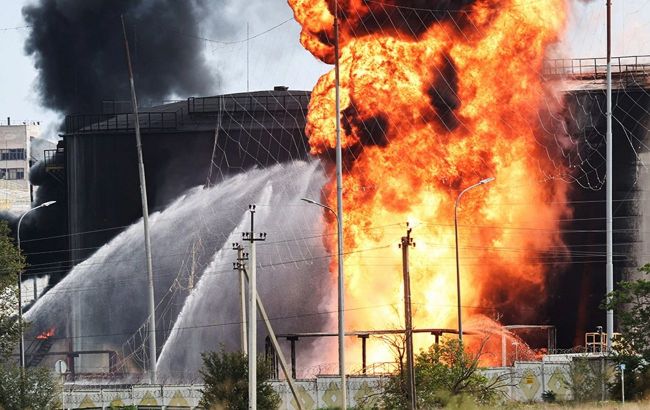 Photo: Yaroslavl refinery halts operations after drone attack (Russian media)
As a result of an overnight attack by Ukrainian drones, one of Russia’s largest oil refineries, the Slavneft-YANOS refinery in Yaroslavl, halted crude oil processing, Reuters reports.
Damage and impact of the strike
According to the report, a drone strike damaged the AVT-3 crude oil distillation unit.
The unit has a processing capacity of 17,140 metric tons per day, accounting for about 40% of the refinery’s total capacity.
Local authorities said the air defenses attempted to repel a large-scale drone attack in the region. Yaroslavl Region Governor Mikhail Yevrayev said 65 drones had been shot down, but the refinery was damaged.
"There were no casualties. The oil refinery sustained damage, and fires are being actively extinguished," Yevrayev said.
On Thursday, Ukrainian President Volodymyr Zelenskyy also officially confirmed that Ukraine’s Defense Forces had carried out an overnight operation.
"Ukraine hit Russia's Yaroslavl oil refinery overnight," Zelenskyy said, confirming the strike on the facility, which is located approximately 250 kilometers northeast of Moscow.
Due to the damage to the equipment, products from the refinery were no longer offered for sale on Russia’s domestic commodity exchange on Thursday.
What is known about the YANOS refinery
The Yaroslavl refinery is owned by Slavneft, which is jointly controlled by Rosneft and Gazprom Neft.
The total capacity is 300,000 barrels per day, or 15 million metric tons per year.
In 2024, the refinery processed 14.9 million metric tons of crude oil, producing 2.6 million metric tons of gasoline, 4 million metric tons of diesel fuel and 4.7 million metric tons of fuel oil.
The refinery has two additional primary distillation units — AT-4, which accounts for 27% of capacity, and AVT-4, which accounts for 33%. AVT-4 was already undergoing repairs following a previous drone attack on August 28.