Why curcumin works better from food than from supplements - Doctors explains

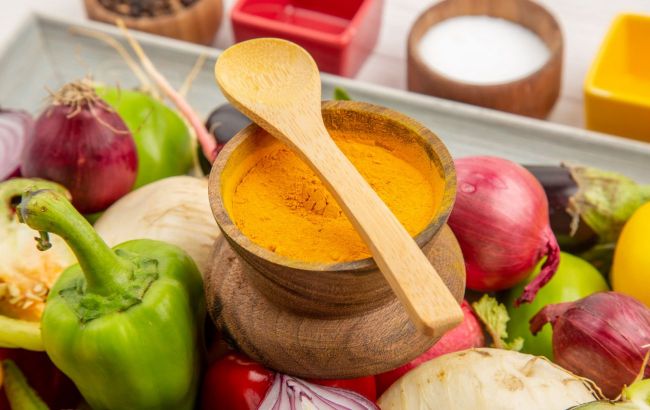 Why it’s better to get curcumin from food (photo: Freepik)
Curcumin is the active compound in turmeric, and it is absorbed more effectively from natural foods than from supplements. Capsules often contain concentrated doses that may have unpredictable effects on the body, according to Verywell Health.
Why it’s better to get curcumin from food
Many people consume turmeric because of its anti-inflammatory properties. Supplements may seem like a convenient and easy way to increase turmeric intake and gain its benefits.
Doctor of Medicine Sohaib Imtiaz explained that the body absorbs and uses curcumin—the active compound in turmeric—more efficiently when it comes from food rather than supplements.
When you eat whole foods, you also consume other compounds and nutrients. Supplements, on the other hand, provide only a concentrated dose of curcumin.
Some turmeric supplements contain very high levels of curcumin and can cause gastrointestinal symptoms such as nausea, heartburn, and diarrhea. In some cases, excess curcumin—most often from supplements—may negatively affect the kidneys and liver.
How to add turmeric to your meals
Adding turmeric powder to food can provide a meaningful amount of curcumin, especially when combined with black pepper and fats, which significantly improve absorption.
Piperine, the active compound in black pepper, increases curcumin’s bioavailability. Including healthy fats further enhances absorption, as curcumin is lipophilic—meaning it dissolves in fat rather than water.
You can add turmeric to soups, smoothies, and rice dishes. Some people drink warm milk with black pepper and turmeric.
Try to limit daily intake to about 1/2 to 1 teaspoon.
Is turmeric safe for everyone?
Consult your doctor before increasing turmeric intake, especially if you are taking medications. Turmeric may interact with anticoagulants, chemotherapy drugs, and antihypertensive medications.
Pregnant women should also avoid turmeric supplements. People at risk of kidney stones should be cautious, as curcumin may increase the risk of stone formation.
Turmeric may irritate the gastrointestinal tract and exacerbate heartburn or pain. People allergic to turmeric or related plants may experience rashes, itching, and swelling.
This material is for informational purposes only and should not be used for medical diagnosis or self-treatment. Our goal is to provide readers with accurate information about symptoms, causes, and methods of detecting diseases. RBС-Ukraine is not responsible for any diagnoses that readers may make based on materials from the resource. We do not recommend self-treatment and advise consulting a doctor in case of any health concerns.