Doctors warn against wearing sneakers without socks: Reason may surprise you

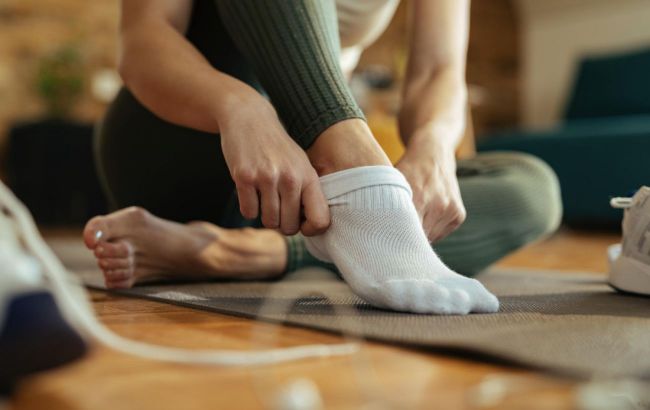 Why you should never wear shoes without socks (Photo: Magnific)
Wearing sneakers without socks may seem like a comfortable and stylish choice. However, this habit can lead to unpleasant odors, skin irritation, blisters and even fungal infections, according to HuffPost.
Why wearing shoes without socks can be harmful
Podiatrist Mikel Daniels explained that wearing shoes without socks definitely increases the risk of developing a number of foot problems.
Socks help keep feet healthy because they act as a barrier and a sponge. They absorb sweat, reduce friction, and make it harder for bacteria and fungi to multiply. Fungi thrive in warm, damp, and dark environments.
For some people, direct skin contact with shoe materials can cause irritation or an allergic reaction. This is especially true for synthetic materials, dyes or adhesives used in footwear production.
What foot problems can occur
Friction and blisters. Socks reduce friction between the skin and the shoe. Without them, chafing, blisters, and calluses are more likely to appear.
Increased sweating. Feet contain many sweat glands. Socks absorb some of the moisture, while without them, sweat accumulates inside the shoes.
Unpleasant odor. Moisture creates a favorable environment for bacteria, which cause odor.
Risk of fungal infections. A warm and moist environment encourages fungal growth, such as athlete’s foot or nail fungus, although not wearing socks alone is not a direct cause of infection.
Faster shoe wear. Sweat can soak into the insole and inner lining, causing persistent odors and reducing the lifespan of the shoes.
Skin irritation. Some shoe materials, including leather, synthetic fabrics and adhesives, can cause irritation or contact dermatitis in people with sensitive skin.
You can go without socks in these cases:
- if the shoes are well ventilated
- if they do not cause rubbing
- if your feet stay dry
- if you regularly wash your feet and dry your shoes
Shoe material matters
The type of footwear you wear is the most important factor in determining whether you will develop problems from going without socks. Shoes with synthetic lining and poor breathability, such as plastic or rubber materials, can create conditions that encourage the growth of bacteria and fungi.
Sneakers worn without socks can also increase the risk of athlete’s foot, nail fungus, and blisters because there is no protective barrier between the foot and the shoe to absorb sweat or reduce friction.
Even high-quality leather shoes should be completely dried between uses. Leather footwear worn without socks day after day can still become damp, develop unpleasant odors, and become more prone to fungal and bacterial problems.
This material is for informational purposes only and should not be used for medical diagnosis or self-treatment. Our goal is to provide readers with accurate information about symptoms, causes, and methods of detecting diseases. RBС-Ukraine is not responsible for any diagnoses that readers may make based on materials from the resource. We do not recommend self-treatment and advise consulting a doctor in case of any health concerns.