US triggers massive surge in Patriot and THAAD missile manufacturing

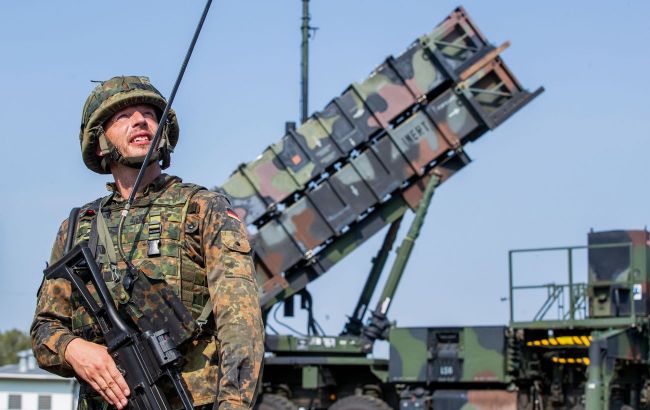 Photo: Patriot air defense system (Getty Images)
The US has reached agreements with defense contractors for long-term expansion of component production for air and missile defense systems. The new contracts concern two key American programs - Patriot and THAAD, according to the US Department of War.
The Pentagon has signed seven-year agreements with General Dynamics Ordnance and Tactical Systems (GD-OTS) and Lockheed Martin. The deals are set to increase production volumes and accelerate delivery of critical components for PAC-3 MSE interceptor missiles used in Patriot and THAAD systems.
This is not just about increasing the number of finished missiles. The Pentagon also plans to expand the manufacturing capabilities needed for stable production of components for these systems.
PAC-3 MSE production to triple
The most significant changes affect PAC-3 MSE interceptor missiles, which are used by Patriot systems. Under the new agreements, their production is set to increase threefold.
For THAAD system interceptors, an even larger expansion is planned—four times the current capacity.
Thus, Washington is simultaneously expanding production capabilities for two different tiers of missile defense: Patriot is designed, among other things, to intercept ballistic and cruise missiles, while THAAD provides interception of ballistic targets at higher altitudes.
Contract context
The decision to expand production comes amid significant demand for air and missile defense systems. It was previously reported that US stocks of Patriot interceptors have decreased significantly due to the use of these missiles against Iranian targets and supplies to allies.
US generals are already urging leadership not to prolong the war against Iran precisely because of the shortage of these missiles. Additionally, the US is facing a shortage of Tomahawk missiles.
Ukraine has long been without a sufficient quantity of Patriot anti-ballistic missiles. NATO and the EU are trying to persuade Spain and Greece to share their missiles, as they have considerable reserves in storage.