US strategy may be working as Iran's influence over Hormuz weakens — Reuters

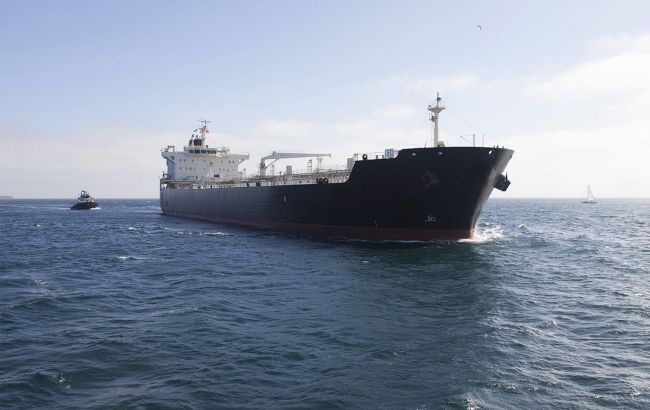 Photo: Economic pressure could force Tehran to open the strait (Getty Images)
Six months into the US war against Iran, Tehran is facing unprecedented economic pressure from Washington. This factor could force Iran to make concessions that the US has been unable to achieve through military means, Reuters reports.
According to Iranian and regional sources, after years of surviving under sanctions, Iran is now facing one of the most severe periods of pressure. Currently, the US naval blockade and tightened sanctions are limiting oil exports, hindering access to foreign currency, and straining the economy.
In particular, the campaign has led US and regional officials to bet that economic pressure could force Tehran to allow free passage through the Strait of Hormuz.
The bet is that Iran will suffer more economic damage than it inflicts. Thus:
- Attempts to cut off oil exports have reduced government revenues, and attempts to disrupt shipping through the Strait of Hormuz have not caused the global economic shock that Tehran had hoped for in an effort to force Washington to compromise within a week
- Energy markets, in turn, have adapted, and alternative supply sources continue to operate.
Regional sources told Reuters that it remains unclear whether the pressure will lead to concessions. But Iran has failed to inflict the costs on Washington that it had counted on to undermine US resolve.
At the same time, Tehran has not yet shown any particular signs of backing down from its demands for sanctions relief, access to frozen assets, and recognition of its role in ensuring security in the Strait of Hormuz.
Nevertheless, sources say that a new formula for resolving the standoff is being discussed among key mediators.
Iranian leaders fear that the deteriorating economic situation caused by US pressure, marked by a sharp rise in prices, a decline in trade, and pressure on household incomes, could reignite nationwide unrest, which has repeatedly challenged the Islamic Republic.
According to officials, shortages of essential imported goods, including fuel and wheat, are causing growing concern.
What else you need to know
Recently, US President Donald Trump stated that global markets' dependence on the Strait of Hormuz could be reduced thanks to new oil supply routes through the Middle East.
On September 5, Iran and the US exchanged strikes against ships. Specifically, US forces struck three Iranian oil tankers after the IRGC fired ballistic missiles at two US warships.
Subsequently, Pentagon chief Pete Hegseth warned that if Tehran began attacking U.S. ships, Iranian tankers would be sunk.