US again pushes for resuming Russian gas supplies to Europe via Ukraine - WSJ

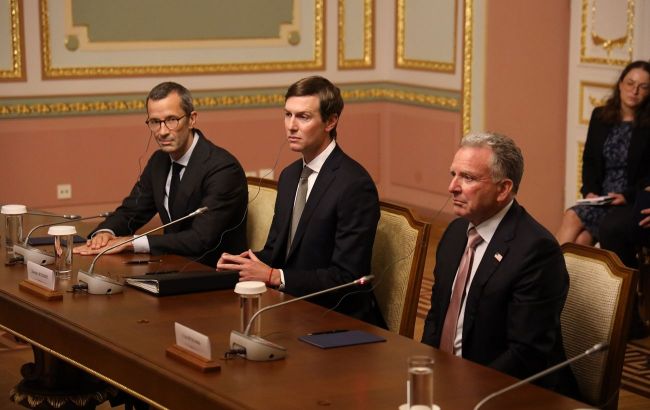 Photo: Jared Kushner and Steve Witkoff (Getty Images)
As part of negotiations on an energy truce, the US has once again begun pushing for the idea of resuming Russian gas supplies to Europe via Ukraine. This comes after Ukraine resumed attacks on Russian oil refineries, according to The Wall Street Journal.
According to sources, the idea of resuming gas supplies was put forward by Trump's special envoys Steve Witkoff and Jared Kushner during their visits to Kyiv and Moscow in September. Their proposal envisages selling Russian gas through an American intermediary, bypassing European sanctions, and could create a lucrative opportunity for US investors.
At the same time, under EU legislation, all purchases of Russian gas must be gradually phased out by the end of 2027. Moreover, the leaders of Europe's largest countries have said they are not interested in becoming dependent again on a country they regard as their main strategic threat.
As a result, the US plan was put on hold in October after Ukraine unilaterally halted its attacks on Russian oil refineries under pressure from US President Donald Trump. Moscow, in turn, began supplying diesel fuel to the United States while continuing to attack Ukraine's energy infrastructure, and Washington shifted its focus to the possibility of reaching a more comprehensive peace deal.
However, on Friday, October 30, Ukraine resumed its air campaign, carrying out three attacks on three major Russian oil refineries over three days. This gave renewed urgency to efforts to reach a broader energy truce ahead of trilateral talks between Ukraine, the US, and Russia scheduled for mid-November.
Moscow had previously rejected Washington's attempts to reach such an agreement. Against this backdrop, US negotiators believe that restoring Russia's access to the European natural gas market could provide a powerful incentive for Russian President Vladimir Putin to agree to the deal. It would also provide Kyiv with much-needed revenue from fees and transit payments.
White House officials proposed that Russia deposit the proceeds from gas sales to Europe into an escrow account in a third-country jurisdiction to prevent the Kremlin from using the money to finance the war.
A WSJ source said the Americans had tried to present the idea to European leaders as a way to lower energy prices ahead of winter, when Europe's gas reserves had fallen to their lowest seasonal level in several years.
In addition, the US is considering the possible resumption of Nord Stream operations as a potentially important component of a broader deal aimed not only at ending the war in Ukraine but also at resolving longstanding disputes between Russia and America's European allies. The Trump administration expects European opposition to renewed gas supplies to be less firm than it might initially appear.
However, in private conversations, a senior official from a Scandinavian country said that the idea of resuming purchases of Russian gas runs counter to everything Europeans stand for.
Another senior official from a major European country compared the proposal to former British leader Neville Chamberlain's decision to sacrifice Czechoslovakia to Hitler in exchange for favorable deals.
Back in October, media outlets also reported that the Trump administration had proposed that Ukraine resume Russian gas transit to Europe as part of a peace deal. However, European officials reportedly reacted very negatively to the idea.
The European Commission also recently stated that the Nord Stream gas pipeline would not resume operations after the war in Ukraine ends. It stressed that the EU would continue to reject Russian gas regardless of any potential agreements between Russia and the US.