Ukraine moves toward integration into Eurozone's single payments area

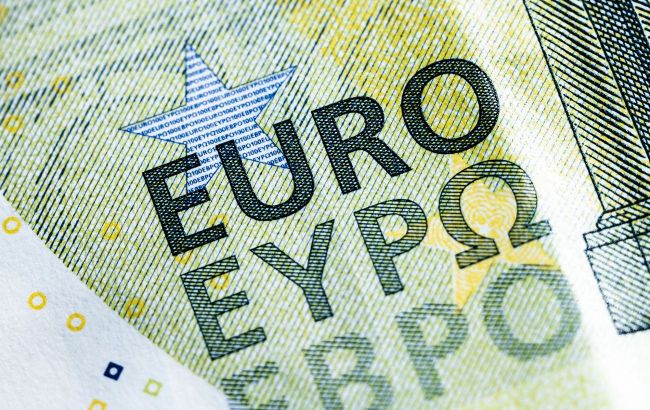 Photo: The Verkhovna Rada approved a bill necessary for Ukraine's accession to the single euro payments area (Getty Images)
Ukraine has taken another step toward integration into the European payments area. The Verkhovna Rada approved a bill that provides for legislative changes to enable the country's accession to the Single Euro Payments Area (SEPA).
A total of 249 members of parliament voted in favor of adopting draft law No. 14327-d in the first reading. The document provides for bringing Ukrainian legislation into compliance with the European requirements necessary for joining the Single Euro Payments Area (SEPA).
Integration into this system will allow Ukrainians and businesses to make transfers in euros between participating countries under common rules. Such transactions are expected to become faster and cheaper thanks to lower fees.
The explanatory note to the bill states that joining SEPA should have a positive impact on foreign trade, capital flows, investment, and financial inclusion.
What bill envisages
One of the key provisions of the document is the creation of a Registry of Accounts and Individual Bank Safe Deposit Boxes for Individuals.
Information regarding the opening and closing of bank accounts, e-wallets, and contracts for the use of bank safe deposit boxes will be entered into a unified database. The registry will also store basic information about their owners.
The National Bank, banks, non-bank financial institutions, payment services, and electronic money issuers are required to submit information to the database.
At the same time, the registry will not contain information about the movement of funds, account balances, or the contents of bank safety deposit boxes. In other words, it will record the locations where accounts were opened and safety deposit boxes were rented, rather than citizens’ financial transactions.
The registry will be administered by the central executive authority responsible for formulating financial policy—the Ministry of Finance. Designated government agencies will have access to the information as part of financial monitoring procedures.
In particular, according to Olha Vasylevska-Smahliuk, deputy chair of the relevant parliamentary committee, the Economic Security Bureau, ARMA, and the National Agency for Corruption Prevention (NAZK) will have direct, unimpeded access to the registries.
She emphasizes that access will not extend to all law enforcement agencies, and that the designated group of users meets the minimum requirements of European directives.
The bill specifically states that the creation of the registry will not impose any restrictions or delays on financial transactions conducted by individuals.
What else proposed
In addition, the document provides for the creation of a separate registry of ultimate beneficial owners of trusts.
It also proposes expanding the list of entities subject to primary financial monitoring and strengthening liability for providing inaccurate information about the ultimate owners of businesses.
Bringing Ukrainian legislation into compliance with European requirements in the area of preventing money laundering and terrorist financing is one of the mandatory conditions for joining SEPA.
SEPA
SEPA (Single Euro Payments Area) is a single payments area comprising the countries of the European Union and a number of other states. It enables transfers in euros between banks in participating countries to be made quickly and at low cost, in accordance with common standards.
For businesses, this system simplifies financial transactions with European clients and partners, including paying invoices and receiving payments from EU countries.
SEPA transfers are typically received within one business day, and the fees for these transfers are minimal or nonexistent.