Two foods that stay poisonous even after cooking

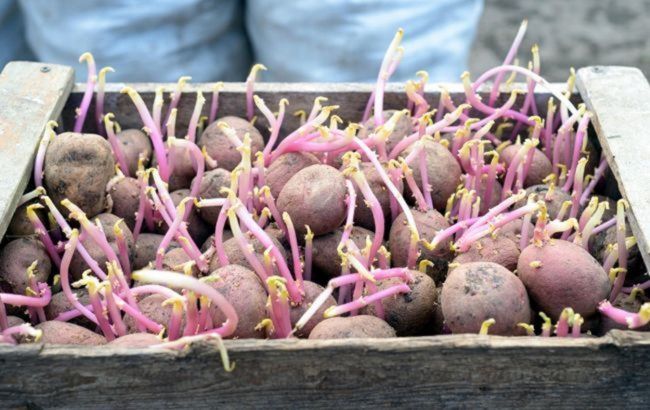 Dangerous foods (Photo: Pixabay)
Many people mistakenly believe that prolonged cooking can destroy any toxins in spoiled food. However, the temperatures used for boiling, frying or baking do not always break down the poisonous substances that may have already formed.
RBC-Ukraine explains which foods can remain dangerous even after being cooked.
Which foods can still be dangerous after cooking?
Food safety experts warn that eating spoiled ingredients can lead to severe food poisoning. In the worst cases, toxic compounds can damage the liver, kidneys, and other internal organs.
The greatest risks often come from foods people least expect, particularly improperly stored potatoes and dried mushrooms.
Potatoes that have been stored incorrectly may begin to sprout or develop a green tint on the skin. These changes indicate a sharp increase in glycoalkaloids, especially solanine and chaconine.
These toxic compounds are heat-resistant. Even after prolonged boiling or frying, they remain inside the potato. Simply cutting off the sprouts or peeling away the green skin does not make the potato completely safe, as the toxins can spread into the flesh.
Consuming high levels of solanine may cause nausea, vomiting, stomach pain and diarrhea. More severe poisoning can lead to headaches, dizziness and confusion, requiring immediate medical attention.
To prevent sprouting, potatoes should be stored in a cool, dry, and dark place. They should also be kept away from onions, as storing the two together speeds up spoilage.
Mold on dried mushrooms
Dried wood ear mushrooms and tremella, also known as snow fungus, absorb moisture quickly and can easily become moldy. If stored improperly, they may harbor bacteria and mold that produce dangerous microbial toxins.
Cutting away the moldy parts and cooking the rest is strongly discouraged. If the mushrooms have changed color, developed mold, become sticky, or have a sour smell, they should be thrown away immediately.
Once opened, dried mushrooms should be stored in airtight containers with moisture-absorbing packets. Only soak the amount you plan to cook at one time.
Soaking mushrooms for long periods at room temperature, especially in hot weather, creates ideal conditions for harmful microorganisms to multiply.
This material is for informational purposes only and should not be used for medical diagnosis or self-treatment. Our goal is to provide readers with accurate information about symptoms, causes, and methods of detecting diseases. RBС-Ukraine is not responsible for any diagnoses that readers may make based on materials from the resource. We do not recommend self-treatment and advise consulting a doctor in case of any health concerns.