Trump administration gears up for Iran battles over Hormuz Strait — Axios

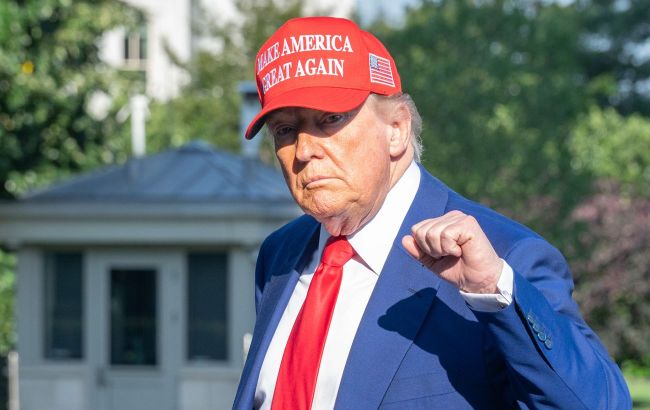 Photo: US President Donald Trump (Getty Images)
The White House is preparing for the possibility of a multi-day or even multi-week exchange of strikes between the US and Iran over the Strait of Hormuz, according to Axios.
According to US officials, the duration and scale of a new campaign will depend entirely on Tehran’s next moves. It could last a day or two, a week, or a month, depending on whether Iran attacks commercial vessels.
Sources say that, in the White House’s view, the US has more room to escalate the situation, as hundreds of oil tankers have been able to leave the Gulf through the strait in recent weeks.
This, in turn, has eased concerns within the administration that a resumption of the conflict would immediately trigger a sharp spike in oil prices.
What stalled the deal
A US official states that the current escalation stems from frustration among the most radical elements within Iran’s fractured leadership, who believe that the memorandum of understanding has not brought Tehran any real benefit.
Iran felt that its position in the Strait of Hormuz was weakening, as hundreds of ships were taking the southern route near the coast of Oman, the official explained.
Furthermore, despite the lifting of US sanctions, Iran faced difficulties selling oil because financial institutions did not approve the transactions, and countries were reluctant to rely on temporary sanctions waivers.
Furthermore, Iran’s frozen assets have not yet been unfrozen, as Iran has not yet taken the steps regarding the nuclear deal stipulated in the agreement.
The official adds that the framework agreement brokered by the US between Israel and Lebanon had rendered the Lebanese portion of the memorandum of understanding unnecessary.
"Part of the Iranian leadership was not happy about all of those things. They started shooting and we decided it's time to slap them back hard. It's a process. We have patience. If we don't feel we're getting the deal we want, we are not going to do it," the official says.
What led up to escalation
On July 7, Iran attacked three merchant ships in the Strait of Hormuz. On the same day, the US launched a series of strikes against Iran, and Tehran’s response followed shortly thereafter.
On Wednesday, July 8, US President Donald Trump declared that the 60-day ceasefire provided for in the memorandum of understanding was over following the skirmishes provoked by Iranian attacks on merchant ships.
Then, on the night of July 9, the US launched a second round of strikes near the Strait of Hormuz. For the first time in several months, these included attacks on infrastructure targets inside Iran.
Iran responded with attacks on US bases in Kuwait and Bahrain, while insisting that it would not abandon its claims to control the strait.
Trump himself made it clear that night that the US was prepared for an escalation. He also stated that Iranian officials had called and wanted to reach an agreement.