Psychologist explains how to cope with loss of loved one and overcome guilt

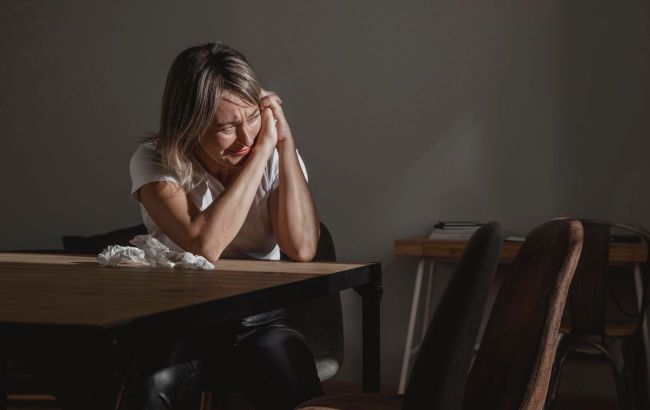 How to cope with the loss of a loved one and stop blaming yourself (photo: Freepik)
The loss of a loved one is an experience no one can prepare for. It is an emotional trial that changes the very structure of our identity. Many people try to get through this period by shutting down their pain or demanding excessive strength from themselves, but psychology says the only path to healing is through fully experiencing every emotion.
Ukrainian psychologist and existential analysis specialist Svitlana Lohvynenko explained how to live through such a loss and prevent guilt from destroying your future.
How to move from pain to a new life
Living through loss does not mean forgetting or letting go of a person forever. It is a path to finding a new place for them in your heart — a place where they remain part of your life, while still allowing you to breathe freely.
“To go through this path, it is important to be honest with yourself: stop pretending to be strong and give space to real emotions instead of trying to avoid them. It is important to allow yourself to feel everything, even if these feelings are very тяжелые,” the psychologist says.
She adds that if we hide sadness deep inside, it does not disappear but turns into inner emptiness. When we allow ourselves to cry or grieve, we remain alive. Only then does the pain gradually subside, and life begins to move forward.
“This experience changes us and makes us rethink the value of every moment. Grief takes time, so you should not rush yourself. Be kind to yourself and allow yourself to go through this at your own pace,” the expert advises.
Why you are not actually guilty
One of the hardest challenges on this path is the trap of guilt. Regret over what was not said or done is often the brain’s attempt to gain an illusion of control over something that can no longer be changed.
The concept of human limitation
“We cannot know the future and do not have full control over circumstances. At the moment you blame yourself for, you acted based on the knowledge and strength you had then. Forgiving yourself means accepting your human nature, which allows for fatigue and mistakes,” says Svitlana Lohvynenko.
Love is not a sum of perfect moments
Relationships consist of thousands of small details. By focusing only on the last conflict or unsaid words, you ignore the full depth of your connection.
“The person who is gone knew you not only in your final days, but throughout all your years together. True closeness withstands imperfection,” the expert explains.
Dialogue after death
Your connection does not end with a person’s physical death. What you did not manage to say can still be expressed.
“Write a letter. Say everything — about pain, guilt, and gratitude. This helps transform internal self-blame into an open farewell dialogue,” the psychologist advises.
How to start living again
Ultimately, death confronts us with a radical question: how to live now that part of the world is gone? We cannot bring the person back, but we can embody their values in our lives.
“Time does not heal — action does. What we do during this time is what heals. Give yourself space for memories, but also allow yourself small moments of life without guilt,” the expert emphasizes.
Values as a legacy
Think about what good this person brought into your life. If they were kind, you can become a source of kindness for others. If they loved life, your own life can become a tribute to that love.
“Meaning cannot be invented — it can only be discovered through continued dialogue with the world. When we express in actions what mattered to both of us, the person’s presence becomes not a burden of the past, but the meaning of our future,” concludes Svitlana Lohvynenko.