This nighttime snack helps digestion and regular bowel movements, dietitian says

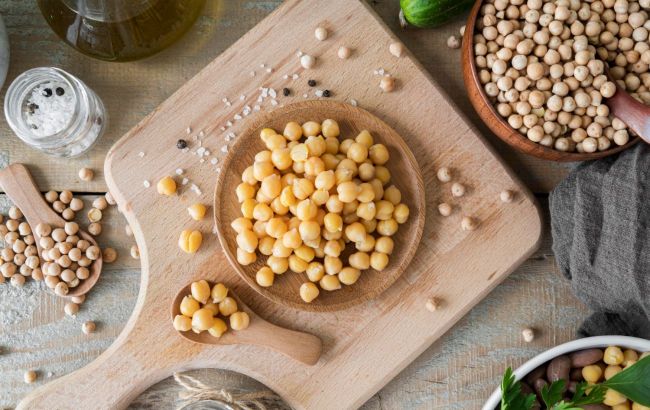 Healthy snack named that helps prevent constipation (photo: Freepik)
Rich in fiber
According to MedlinePlus, one of the most important nutrients for preventing constipation is fiber. It is a non-digestible carbohydrate found in plant foods such as fruits, vegetables, legumes, nuts, and whole grains.
Fiber-rich foods add bulk and moisture to stool, helping food move through the digestive system more quickly.
It is recommended to consume about 14 g of fiber per 1,000 calories, which equals 28 g per day on a 2,000-calorie diet.
Eating roasted chickpeas as a snack is a simple and tasty way to increase daily intake of legumes and fiber. They are especially rich in soluble fiber, which absorbs water and makes bowel movements easier.
It is important to note that since roasted chickpeas are dehydrated, and fiber needs fluid to function properly, you should drink water while eating them. Fiber attracts water into the stool to help it pass more easily.
Source of prebiotic fiber
Prebiotics serve as fuel for beneficial gut bacteria, also known as probiotics. Together with other microorganisms, they make up the gut microbiome.
Chickpeas are a great source of prebiotics that support the growth of beneficial gut bacteria. In fact, eating prebiotic-rich foods is important for maintaining a healthy gut microbiome and preventing not only constipation but also other intestinal problems.
Choose healthy chickpeas
Roasted chickpeas can be homemade or store-bought. However, store-bought versions may contain a lot of salt and sugar.
Excessive intake of added sugar and salt may increase the risk of heart disease and diabetes. Salt attracts water, so excessive consumption can draw water out of stool, making bowel movements more difficult.
Foods high in sodium and added sugar are often also low in fiber.
Daily intake
The recommended daily amount of chickpeas depends on age, activity level, and overall diet, but general guidelines include:
- Adults: 50–100 g of boiled chickpeas per day
- Children: 20–50 g boiled
Chickpeas are a nutritious food containing:
- Protein: 8–9 g per 100 g boiled
- Fiber: 7–8 g
- Complex carbohydrates + minerals (iron, magnesium)
It is not recommended to exceed 150–200 g per day, because:
- High fiber intake may cause bloating
- Legumes can be difficult to digest in large amounts
This material is for informational purposes only and should not be used for medical diagnosis or self-treatment. Our goal is to provide readers with accurate information about symptoms, causes, and methods of detecting diseases. RBС-Ukraine is not responsible for any diagnoses that readers may make based on materials from the resource. We do not recommend self-treatment and advise consulting a doctor in case of any health concerns.