This common bathroom item is the germiest spot — Are you cleaning it?

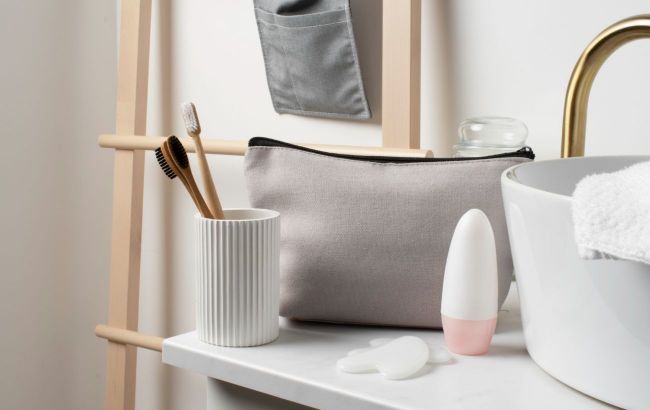 The dirtiest item in the bathroom revealed (photo: Freepik)
Toothbrush holders, which come into daily contact with your hygiene tools, can hide more bacteria than expected. Some of these bacteria can even pose potential health risks, according to Real Simple.
What you should know
According to an NSF study, the toothbrush holder ranks third in household items by number of microbes (after dish sponges and kitchen sinks). Specifically, 27% of toothbrush holders contained coliform bacteria, a family that includes Salmonella and E. coli.
Cups used to store toothbrushes accumulate plaque and other grime due to moisture. Over time, this leads to bacterial growth and unpleasant odors.
How to clean a toothbrush holder
The easiest way is to put it in the dishwasher. Make this part of your weekly routine and wash these cups in the dishwasher along with other dishes.
Another, less obvious cleaning method is using denture-cleaning tablets. Simply fill the holder with water and drop in a denture tablet for the time indicated on the package.
Then rinse and wipe off any remaining grime. If you don’t have denture tablets on hand, you can also fill the holder with mouthwash and leave it for a few minutes to disinfect.
If you have a wall-mounted toothbrush holder or any other type that cannot go in the dishwasher or be filled with water, you can simply wipe it with hot soapy water. Just make sure to reach all corners and crevices where dust and microbes may accumulate.
How to keep your toothbrush clean
- Rinse thoroughly after each use. After brushing, rinse the brush under running water to remove toothpaste residue and plaque.
- Dry upright. Place the brush bristles up in a cup or holder. Moisture is the main environment for bacteria, so the brush should dry completely.
- Do not cover with a cap. Closed caps trap moisture, promoting microorganism growth. Use a cover only for transport and for a short time.
- Disinfect once a week. You can use boiling water (briefly, so as not to damage bristles) or soak for 10–15 minutes in a disinfectant solution (for example, based on chlorhexidine).
- Keep away from the toilet. Store the brush as far from the toilet as possible, or close the lid before flushing—microdroplets can spread into the air.