Think your smartwatch is safe? Doctor uncovers risks most users ignore

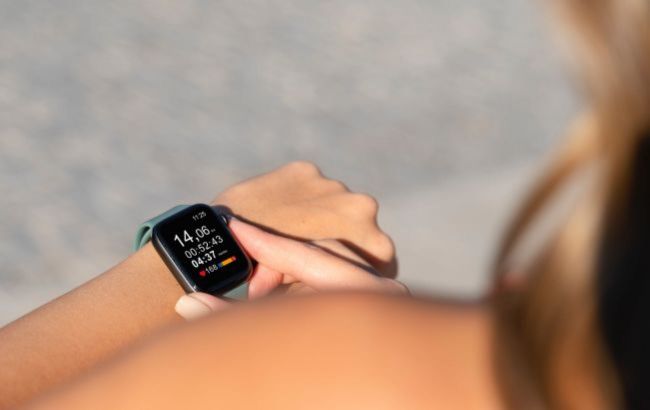 Cardiologist explains how smartwatches can be harmful (photo: Freepik)
Millions of people use smartwatches to track heart rate, sleep, and activity levels. However, the devices can cause anxiety as they may produce inaccurate readings and lead to incorrect conclusions about a person's health, according to cardiologist Nataliia Todurova.
What should we know about smartwatches
The doctor says nearly everyone now wears smartwatches. They help track heart rate, sleep, step count, HRV, and calories burned. These metrics have become part of many people's daily lives.
"Gadgets are a useful tool. They can help detect changes in heart rate, possible rhythm disturbances, lack of movement, or sleep problems. And that is genuinely helpful," the physician adds.
But important to understand that a smartwatch is not a medical device. In particular, it may produce inaccurate readings. Measurements can be affected by movement, how the watch sits on the wrist, cold temperatures, skin condition, and even lighting.
By contrast, measurements taken in a clinical setting with professional equipment have a different level of accuracy. A single number on a screen is not a diagnosis, but rather a signal that further examination may be needed.
According to the cardiologist, the body changes every day. Readings are influenced by emotions, lack of sleep, hormones, dehydration, and physical activity.
Devices often confuse light sleep, wakefulness, and movement. They give an "approximate picture," not a medical diagnosis.
What really helps your heart
For heart health, what matters is not one-off readings on a smartwatch, but overall trends:
- Stable resting heart rate
- Regular physical activity
- Quality sleep
- Normal blood pressure
The greatest risk arises when concern for health turns into constant monitoring of every number. This can lead to excessive anxiety and even chronic stress.
People may begin to worry unnecessarily over normal fluctuations in heart rate. This can develop into a dependence on constant monitoring.
This material is for informational purposes only and should not be used for medical diagnosis or self-treatment. Our goal is to provide readers with accurate information about symptoms, causes, and methods of detecting diseases. RBС-Ukraine is not responsible for any diagnoses that readers may make based on materials from the resource. We do not recommend self-treatment and advise consulting a doctor in case of any health concerns.