Talks without ceasefire? ISW explains what to expect from Kremlin

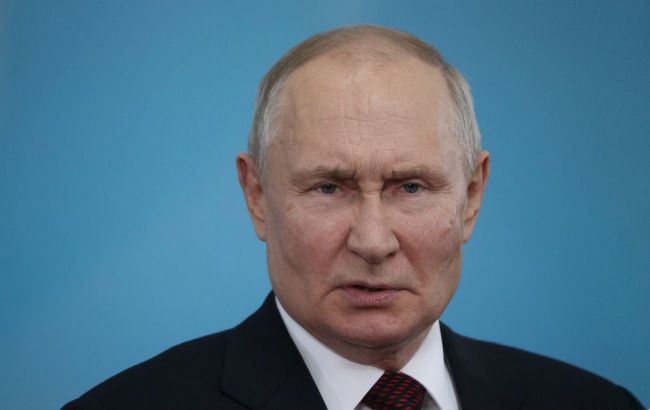 Photo: Russian President Vladimir Putin (Getty Images)
Ukraine is ready to discuss a full or partial ceasefire, but statements by Russian officials indicate that the Kremlin has no plans to change its position, according to a report by the Institute for the Study of War (ISW).
On October 25, President Volodymyr Zelenskyy confirmed Ukraine’s readiness for a ceasefire. This could involve either a full ceasefire or separate agreements, including a moratorium on strikes against energy infrastructure or in the Black Sea.
Ukraine plans to discuss these issues during trilateral talks involving representatives of Ukraine, the US, and Russia. The meeting is scheduled for November 10, 2026, in Abu Dhabi.
At the same time, the Kremlin has shown no willingness to support such initiatives. According to the Institute for the Study of War (ISW), Russian representatives have consistently rejected proposals for a full or partial ceasefire put forward by Kyiv and Washington.
What the Kremlin says about the upcoming talks
On October 20, Kremlin spokesperson Dmitry Peskov said that continuing trilateral talks would not entail restrictions on military operations. He also stressed that Russian forces would continue combat operations against Ukraine.
A few days later, on October 25, Russian leader Vladimir Putin’s aide Yuri Ushakov commented on the prospects for the upcoming meeting. He said the talks "would not resolve much" and suggested they would serve as a "trial run."
"Recent statements by Peskov and Ushakov indicate that the Kremlin’s position remains unchanged ahead of the upcoming trilateral talks: rejecting ceasefire proposals," ISW emphasized.
According to The Telegraph, Russia may try to use negotiations to end its war against Ukraine to secure concessions from NATO.
In particular, Vladimir Putin may demand that the Alliance’s military presence in Europe be reduced to its 1997 level. This could potentially mean the withdrawal of NATO troops from Poland, the Baltic states, and Finland.