Summer heat raises heart attack risk: Here's how to prevent it

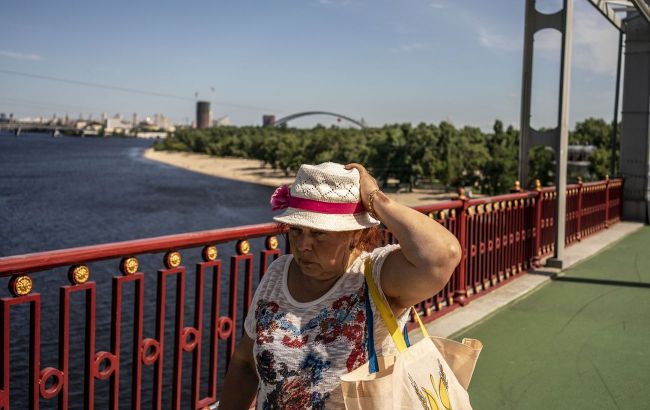 What summer has in store (Photo: Getty Images)
The summer heat is not only a time for long-awaited vacations and relaxation by the sea, but also a time of extreme strain on the cardiovascular system. While we enjoy the sun, our hearts are working at the limit of their capacity.
RBC-Ukraine explains why the heat takes such a heavy toll on the heart and how to avoid a heart attack, citing a post by a cardiologist.
What happens to our blood vessels amid heat
When the thermometer’s mercury rises rapidly, our body activates an emergency cooling system. To release excess heat and prevent the body from boiling over, the blood vessels in the skin dilate as much as possible.
However, this life-saving mechanism has a serious side effect: blood pressure drops sharply. To compensate for this drop and ensure the brain and organs receive oxygen, the heart is forced to beat much faster.
The situation is critically exacerbated by heavy sweating. Along with sweat, the body rapidly loses fluid and vital electrolytes, potassium, magnesium, and sodium, which are responsible for maintaining a normal heart rhythm. At the same time, due to fluid loss, the blood becomes thicker, which significantly increases the risk of fatal blood clots.
Who most at risk
The greatest danger lies for people with pre-existing cardiovascular conditions: coronary artery disease, heart failure, hypertension, or arrhythmia. Older adults are also at high risk, as the body’s natural thermoregulation mechanism weakens significantly with age.
Doctors emphasize the hidden danger for those who regularly take blood pressure medications, beta-blockers, or diuretics. When combined with high temperatures, these medications can have unpredictable effects, leading to dizziness and loss of consciousness. Even relatively healthy people should not let their guard down.
Medical experience shows that even at age 40, not drinking enough water (or replacing it with coffee and tea) in hot weather is guaranteed to lead to severe tachycardia and exhaustion, and working actively in the garden at +34°C often ends with a call to an ambulance due to a heart attack.
When to call doctor immediately
The heat does not forgive ignoring symptoms. You need urgent medical attention if you experience:
- A sharp or squeezing pain in the chest and sudden shortness of breath
- A pulse that has risen above 120 or fallen below 50 beats per minute, accompanied by a general deterioration in your condition
- A sudden onset of severe weakness, a feeling of wobbly legs, blurred vision, or disorientation
- Loss of consciousness, even for a few seconds.
How to cope with heat
To get through hot days without harming your health, you need to take proactive measures. The main rule is to drink clean water before you feel thirsty, since thirst is a sign that you’re already dehydrated. In hot weather, you should at least double your fluid intake.
Doctors also strictly prohibit any physical activity during peak sun hours, from 11 a.m. to 5 p.m.
Protect your head with lightweight hats, opt for loose-fitting, light-colored clothing, and include foods rich in potassium and magnesium in your diet.
For patients with chronic conditions, it is vital to monitor blood pressure regularly and be sure to consult with your doctor regarding possible adjustments to your daily medication doses.
This material is for informational purposes only and should not be used for medical diagnosis or self-treatment. Our goal is to provide readers with accurate information about symptoms, causes, and methods of detecting diseases. RBС-Ukraine is not responsible for any diagnoses that readers may make based on materials from the resource. We do not recommend self-treatment and advise consulting a doctor in case of any health concerns.