Stubborn faucet limescales gone in minutes: Simple cheap tricks revealed

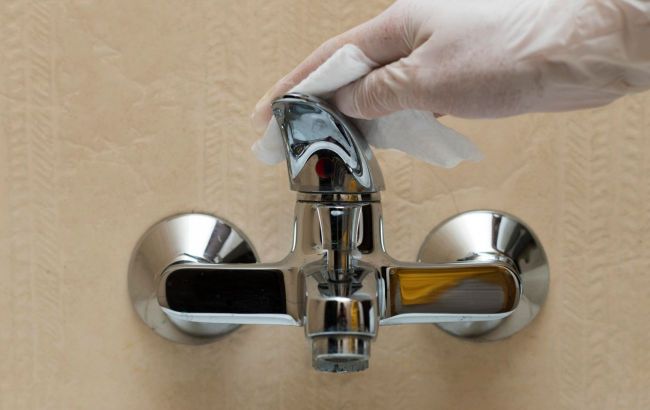 Simple ways to remove limescale from faucets (photo: magnific)
Limescale on faucets is one of the most common household problems caused by hard water and the gradual buildup of mineral deposits. It can usually be removed without expensive products — simple homemade solutions are often enough, according to Southern Living.
How to clean it properly
Limescale buildup can clog the faucet aerator, which ensures smooth water flow. Besides affecting performance, it can also damage the faucet’s finish.
Vinegar is one of the best ways to dissolve mineral buildup, but it is not safe for all faucet finishes. Its acidity may damage surfaces such as lacquered brass, matte black coatings, and bronze.
Cleaning with vinegar
First, take a soft cloth or sponge and soak it thoroughly in vinegar. Wrap the cloth around the faucet so all areas with buildup are covered.
Leave it for about 30–60 minutes. After that, remove the cloth and wipe the surface with a sponge or soft brush to remove any remaining residue.
Finally, rinse everything with clean water and dry the faucet thoroughly.
How to clean with citric acid
Dissolve about 1–2 teaspoons of citric acid in a glass of warm water. Moisten a cloth or sponge with the solution and wipe the faucet. Then rinse with water and dry it.
If the buildup is inside the faucet spout where the aerator screen is located, it is better to unscrew it and soak it separately in vinegar or a citric acid solution for 1–2 hours. Afterward, gently clean it with an old toothbrush, rinse it, and reinstall it.
It is important not to use metal scrubbers, as they can scratch the surface. Vinegar should also never be mixed with products containing chlorine.
What causes limescale buildup
Hard water. Water contains dissolved calcium and magnesium salts. When water evaporates from the faucet surface, these salts remain as solid deposits — mainly calcium carbonate.
Constant water evaporation. Drops that are not wiped away dry on the surface, leaving minerals behind. The more often the faucet stays wet without cleaning, the faster buildup appears.
Soap and household chemicals. Soap residue reacts with minerals in hard water, forming a so-called “soap scum” — a greasy film that mixes with limescale and makes it harder to remove.
High water temperature. Hot water accelerates the release of minerals from the solution, which is why limescale forms faster on hot-water faucets.