Stop wasting sunscreen: 5 mistakes that put your skin at risk

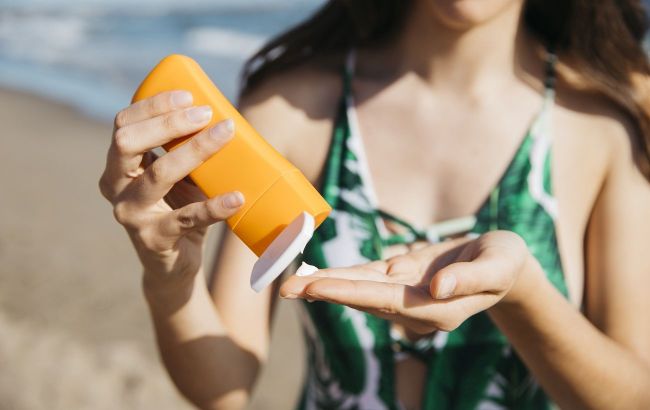 Here's why your sunscreen isn't working (Photo: magnific)
Most people use SPF products incorrectly, leaving their skin unprotected.
Here are the five biggest sunscreen mistakes people make during hot weather, according to the Daily Express.
Applying sunscreen at the wrong time
Most people only think about sunscreen once they arrive at the beach and lay down their towel. According to experts from the NHS, this is a major mistake that significantly reduces the product's effectiveness.
Health experts recommend the double application method. Apply the first layer of sunscreen about 30 minutes before going outside to give it time to absorb and become effective. Then apply a second layer just before leaving the house.
This approach helps ensure you don't miss any areas and creates a thick, even layer of protection. Doctors also recommend choosing a sunscreen with SPF 30 or higher for UVB protection and a 4- or 5-star UVA rating.
Skipping reapplication after swimming
Even if your sunscreen is labeled water-resistant, that doesn't mean it will survive an active swim in the sea. The NHS says sunscreen should always be reapplied after every time you get out of the water, whether you've been swimming in a pool, the sea, or even playing with water guns.
Water creates a dangerous illusion by cooling the skin and masking the feeling of sunburn. It also reflects ultraviolet rays, increasing your UV exposure. Sunscreen should also be reapplied after towel-drying or heavy sweating. While water-resistant formulas last longer on wet skin, they don't provide permanent protection.
Reapplying too infrequently
Applying sunscreen once in the morning isn't enough to protect you all day, even if you never go swimming. Sunlight, wind, and your skin's natural oils gradually break down the protective layer.
Experts recommend reapplying sunscreen every two hours. If you're spending time in direct sunlight, the product gradually dries out and loses its effectiveness. Don't skimp on sunscreen—use the amount recommended by the manufacturer.
Using expired sunscreen
Still have half a bottle of sunscreen left from last summer? Using it now may not be a good idea. Expired sunscreen can separate, and its chemical or mineral UV filters may degrade, meaning it no longer provides the protection stated on the label.
To check whether your sunscreen is still safe to use, look for the PAO (Period After Opening) symbol on the packaging—an open jar with a number followed by "M" (for example, 12M). This indicates how many months the product remains effective after it is first opened. If that period has passed, it may no longer protect your skin.
Relying on sunscreen alone
No sunscreen offers 100% protection from the sun's harmful rays. Health experts stress that SPF should be just one part of your sun safety routine.
During peak UV hours—typically 11:00 a.m. to 3:00 p.m.—try to stay in the shade and avoid direct sunlight whenever possible. Wear loose-fitting clothing made from tightly woven fabrics that cover as much skin as possible, such as long-sleeved shirts, long skirts, or trousers.
Don't forget a wide-brimmed hat to protect your face, neck, and ears, as well as a good pair of UV-blocking sunglasses to shield your eyes.
This material is for informational purposes only and should not be used for medical diagnosis or self-treatment. Our goal is to provide readers with accurate information about symptoms, causes, and methods of detecting diseases. RBС-Ukraine is not responsible for any diagnoses that readers may make based on materials from the resource. We do not recommend self-treatment and advise consulting a doctor in case of any health concerns.