Stop using this method on fruits and vegetables: It may increase health risks

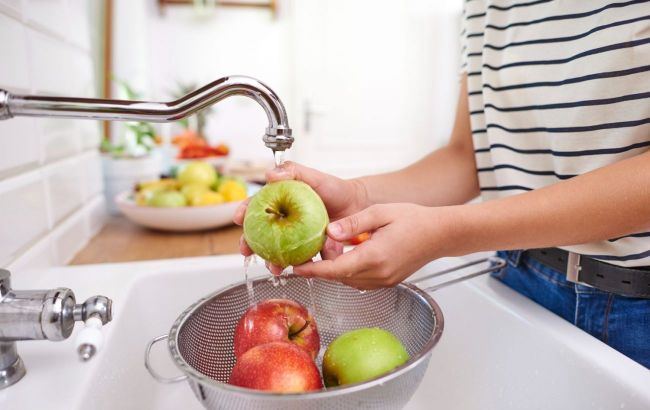 Is it worth using a fruit and vegetable wash? (photo: Magnific)
Despite the popularity of special products for washing fruits and vegetables, scientific data do not confirm their significant advantage over plain water. Effective cleaning is achieved by simply rinsing under running water with mechanical removal of contaminants, according to the Real Simple website.
Danger of fruit and vegetable washes
Commercial produce washes should not be used because their residues or effectiveness have not been studied. Since fruits and vegetables have different textures, it is unknown whether these products are completely rinsed off.
If the product is not sufficiently rinsed off, surfactants, fragrances, or other components not intended for consumption may remain on the surface.
Labels such as "eco," "organic," or "natural" do not guarantee better cleaning or safety. No household fruit wash guarantees complete elimination of bacteria, viruses, or parasites. This can create a false sense of security.
Can you wash with baking soda and vinegar?
Neither vinegar nor baking soda guarantees the complete removal of bacteria, viruses, or chemical residues. They may slightly reduce some contaminants but do not provide reliable disinfection.
Some pesticides are not only on the surface but can also penetrate the skin. For most fruits, thorough rinsing under running water already removes a significant portion of surface residues and dirt.
Baking soda sometimes leaves an alkaline taste or white residue if not rinsed off properly. For berries or delicate fruits, vinegar can alter the smell, taste, or accelerate spoilage if moisture remains after washing.
Washing tips
The US Centres for Disease Control and Prevention (CDC) recommends rinsing produce under running water to reduce the number of microorganisms and remove dirt.
Cut away any damaged or bruised areas and discard any produce that looks rotten. They may contain mould and be contaminated with mycotoxins, which can cause illness.
Do not use warm or hot water for washing. After washing, dry produce with a clean cloth or paper towel to further reduce the number of bacteria on its surface.
Apples, pears, and other fruits can be rinsed with cold water and rubbed with your hands to remove dirt.
Products with firmer skin, such as cucumbers, melons, carrots, or potatoes, can be rubbed with your hands or a vegetable brush.
You might also be interested in:
How to properly wash strawberries and why it really matters?