Secret Russian airbase near Moscow expands amid military buildup

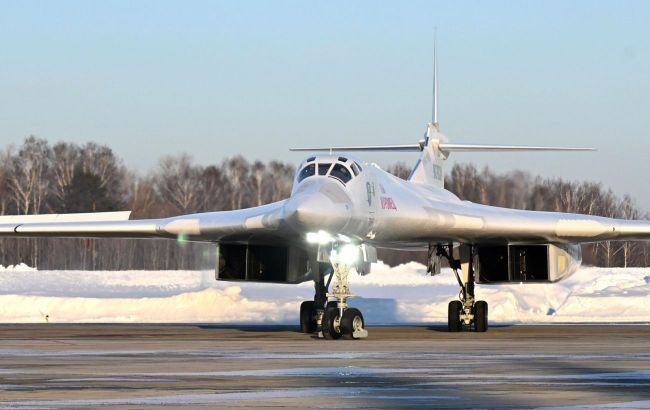 Illustrative photo: Tu-160 (Getty Images)
Russia is expanding the Ramenskoye airfield near Moscow, home to strategic bombers Tu-160 and Tu-95MS, AviVector reported on X, sharing satellite images of the airbase. The post included photos of Ramenskoye airfield.
Despite claims of Russia's air fleet being depleted, the occupiers have launched large-scale construction at this strategic facility near the Russian capital.
At Ramenskoye airfield, new hangars are being built, and parking areas expanded for Tu-160, Tu-95MS, and Tu-22M3 aircraft — all carriers of nuclear weapons and missiles capable of striking Ukraine.
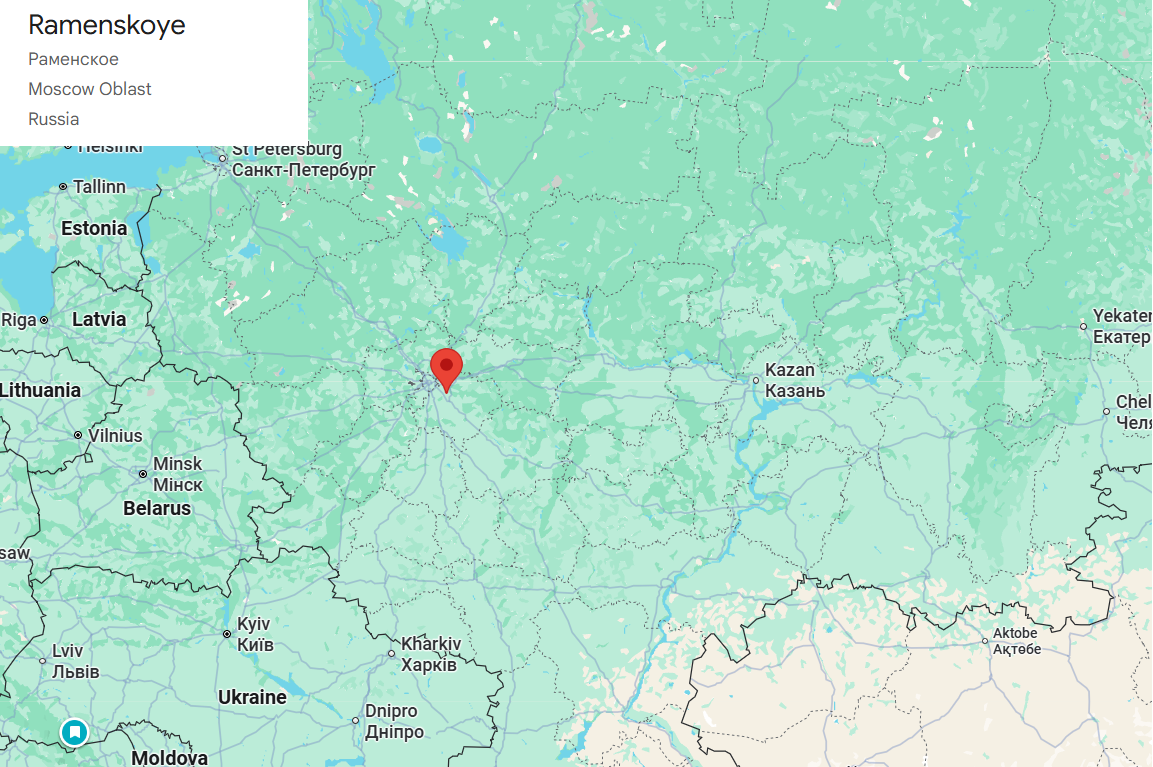
Photo: www.google.com/maps
According to satellite images from March 15–19, 2026, active construction is underway in the central and southern sections of the airfield.
The images show that structures measuring 110 by 77 meters are being erected in the center of the airfield. These dimensions allow strategic missile-carrying bombers to be fully concealed from visual observation and protected from shrapnel damage.
In addition, new pads for stationing aircraft have been spotted in the southern part of the airfield. Similar work was previously observed at the Engels-2 airbase in Saratov region.
Construction trailers for managing the work and storage facilities for materials have already been installed on site.
Satellite images of Ramenskoye Airport as of March 15, 12:45 UTC
— AviVector (@avivector) March 20, 2026
The airport housed 3 Tu-160 (Blackjack), 1 Tu-95MS (Bear-H), and 1 Tu-22M3 (Backfire-C).
In the central part of the airport, construction of new hangars measuring 110 × 77 meters has begun.
Construction… pic.twitter.com/hVN8wHQCa1
It should be noted that as of March, the main forces of Russia’s strategic aviation at the airfield have been identified:
- Tu-160 (White Swan): 3 units (one of the aircraft was relocated or left the airfield between March 18–19)
- Tu-95MS: 1 unit
- Tu-22M3: 1 unit
Ramenskoye airfield borders the city of Zhukovsky and its namesake international airport, making this military facility part of a major aviation hub right under the Kremlin's nose.
Previously, Ukrainian defenders managed to damage a Russian A-50 long-range airborne early warning and control aircraft during an attack on an aircraft repair plant in Novgorod region.
The A-50 can detect aerial targets up to 650 km away and simultaneously track dozens of objects, relaying data to other aircraft. Its crew numbers around 15 personnel.
Last year, during Operation "Spiderweb," Ukrainian forces successfully damaged several of these aircraft.