Scientists warn 2026 could break new temperature records

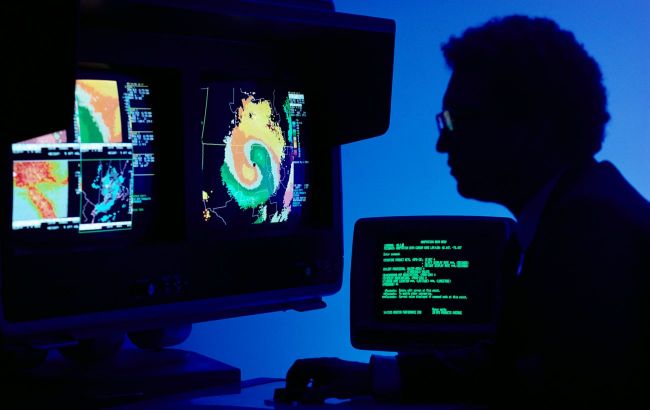 Photo: scientists forecast a sharp increase in warming in 2026 (Getty Images)
Climate scientists have warned that 2026 could become one of the warmest years on record due to an expected intensification of global warming processes, according to Euronews.
The first three months of the year have already ranked among the four warmest on record, despite the influence of the La Niña phenomenon, which usually slows temperature increases. At the same time, record-low sea ice levels were recorded in the Arctic.
Risk of a new temperature record
Experts also expect a strong El Niño event to develop in autumn. Estimates suggest there is about a 19% probability that 2026 will become the hottest year on record, surpassing previous records.
The climate analytics platform Carbon Brief, which specializes in climate change research and scientific data analysis, forecasts based on data from five scientific groups that 2026 will almost certainly rank among the four warmest years on record. There is also a high probability that it will become the second warmest.
Temperatures are expected to rise throughout the year, with the peak likely occurring in late autumn and winter, when climate processes typically intensify.
What El Niño is and how it is measured
El Niño is a warming phenomenon in the tropical Pacific Ocean that affects global weather patterns. It can cause droughts, floods, marine heatwaves, and other climate anomalies.
The strength of the phenomenon is usually measured by sea surface temperature in the Niño 3.4 region. A deviation of more than 0.5°C indicates El Niño conditions, more than 1.5°C indicates a strong event, and more than 2°C is considered a so-called “super” El Niño.
According to the latest estimates, temperatures could exceed the norm by 2.2°C by September, corresponding to a "super" El Niño scenario. Such conditions typically peak between November and January.
If this scenario materializes, the likelihood that 2027 will become the warmest year in recorded history will significantly increase.
New forecasting model
Meanwhile, researchers at the University of Hawaiʻi at Mānoa have developed a new model that can predict El Niño and La Niña approximately 15 months in advance.
"We found that it can predict El Niño and La Niña surprisingly well, with useful skill up to about 15 months ahead," said study author Yuxin Wang.
According to him, long-term forecasting enables governments and communities to prepare for climate risks in advance and reduce their impact.
Weather in Ukraine
Meanwhile, Ukraine continues to experience unstable weather in late April, with rain, sharp temperature fluctuations, and strong winds. According to meteorologist Nataliia Didenko, even short periods of daytime warming are accompanied by gusty and in some places storm-force winds.
On Saturday, April 25, nighttime frosts and local daytime rain are possible, while on Sunday cooling, precipitation, and even wet snow in the west are expected. In Kyiv, stronger winds and a drop in temperature are also forecast.