Russia uses WWII-era Arctic route to ship grain for first time, Reuters says

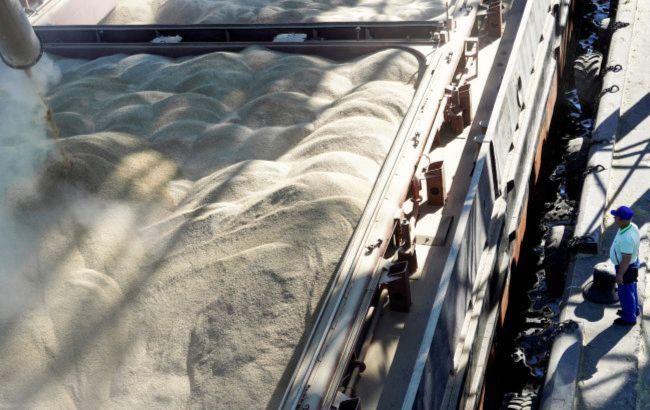 Russian Federation uses Arctic sea route for grain exports for the first time (photo: Getty Images)
Russia has used an Arctic sea route, dating back to World War II, for the first time to export grain amid its war against Ukraine and risks in the Baltic Sea, Reuters reports.
Moscow is seeking to retain key grain buyers in the Middle East and Asia. It previously tried to redirect exports to Baltic ports and subsidize rail shipments from southern regions, but has now turned to Arctic opportunities.
The Murmansk Commercial Seaport, together with Demetra Holding, one of Russia's largest trading companies, has begun loading the first batch of 3,400 metric tons of grain from major agricultural regions.
According to ship-tracking data and market sources, around 28,000 metric tons of wheat are expected to be loaded in Murmansk onto a vessel bound for Casablanca, Morocco.
History, Arctic route logistics
Murmansk lies nearly 2,000 kilometers north of Moscow, near the border with Norway. It is accessible through neutral waters. During World War II, Allied convoys used the port extensively to deliver supplies to the Soviet Union.
"At a time when traditional export routes are facing restrictions, Murmansk Commercial Seaport is swiftly opening up an alternative route to foreign markets for Russian farmers," the port said.
In September, Baltic ports handled 1.2 million metric tons of grain, accounting for more than 60% of all maritime grain exports. To support these shipments, Russian companies are extensively converting terminals that previously handled fertilizers and coal.
As previously reported, Russia recently allowed grain carriers to leave the Sea of Azov ports for the first time since July. This could pave the way for resuming food exports.