Russia's recruitment for war against Ukraine slows, ISW reports

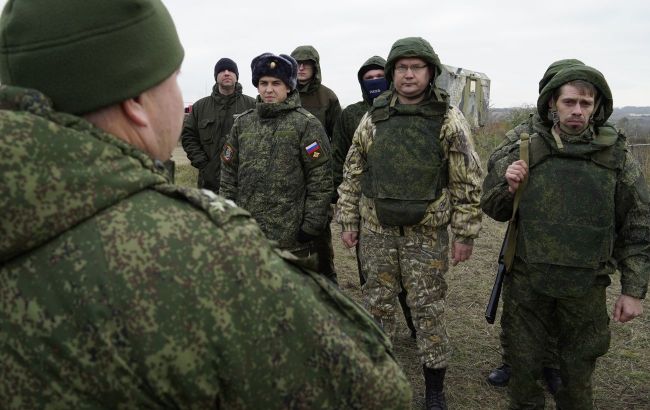 Photo: The number of conscripts joining the Russian Armed Forces has decreased (Getty Images)
The rate of recruitment of contract soldiers into the Russian army continues to decline as battlefield losses rise, according to the Institute for the Study of War (ISW).
Analysts note that an analysis of open-source data indicates a further slowdown in the recruitment of Russian military personnel, which correlates with other signs of human resource problems in Russia.
ISW analysts drew attention to a study by Janis Kluge, an economist at the German Institute for International and Security Affairs, published on April 12.
According to the study, the Russian army was able to recruit 800–1,000 people per day in the first quarter of 2026, compared to 1,000–1,200 during the same period in 2025, representing a decline of approximately 20%.
Despite an increase in one-time payments for signing contracts, which reached record levels in some regions, this did not halt the slowdown in recruitment. According to the study, the average bonus amount in March 2026 reached about 1.47 million rubles.
Based on estimates using data from the Russian Ministry of Finance, Russia may have paid compensation to the families of about 25,000 fallen soldiers in the first quarter of 2026, which is more than a year earlier.
Ukrainian sources also report that recruitment rates are lagging behind losses, as well as an intensification of covert mobilization and the deployment of strategic reserves.
In addition, there are reports of increased contract bonuses in at least 12 regions of Russia and increased pressure on enterprises and universities for covert recruitment.
ISW emphasizes that Russia is increasingly facing systemic problems in replenishing its personnel, exacerbated by significant losses on the front lines.
Mobilization in Russia
Russia’s losses in the war against Ukraine continue to rise. Earlier, Commander-in-Chief of the Armed Forces of Ukraine Oleksandr Syrskyi released updated data on the situation at the front for March.
The ISW, amid significant losses and a slowdown in the recruitment of new conscripts, Russian authorities are shifting to covert mobilization of the population.
According to intelligence reports, in February 2026, regional and municipal executive authorities in the constituent entities of Russia received instructions to compile volunteer lists for deployment to the war. These lists primarily include individuals with outstanding debts for housing and utility services.
Additionally, the Russian Minister has ordered that at least 2% of students be prepared to sign contracts.