Quit smoking and witness shocking transformations in just 30 days

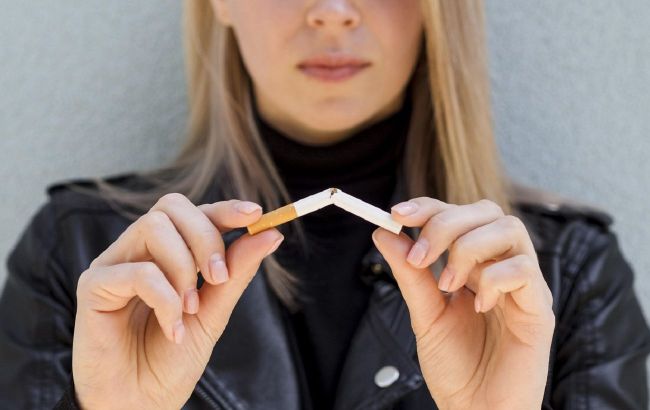 Photo: What happens to body after quitting smoking (Freepik)
Quitting smoking is a tough challenge for many, but if you do it, incredible changes await.
Surrey Live explains what happens to your body after 30 days without cigarettes.
What happens to your body after a month smoke-free
Experts say that hitting the 30-day mark brings significant transformations to the body — even if you haven’t noticed all of them yet.
Dr. Marina Murphy, scientific director at Northerner, highlighted six key changes your body experiences after quitting tobacco.
Cough disappears
Your lungs begin a deep clean. Tiny cilia (microscopic hairs in the respiratory tract), which were previously paralyzed by smoke, start working again.
“As they become effective again, quitters should notice a significant positive change. People often experience a dramatic reduction in shortness of breath during daily activities like climbing stairs, walking briskly, or doing light exercise, which will make the lungs feel lighter,” explains the expert.
Energy skyrockets
When you smoked, carbon monoxide pushed oxygen out of your blood. By day 30, oxygen levels are fully normalized, and circulation improves.
The constant feeling of fatigue disappears, replaced by vitality. You no longer feel like a “squeezed lemon” in the middle of the workday.
Food tastes better
Smoking dulls taste buds and the sense of smell. While recovery begins within 48 hours, after a month, your senses reach peak sensitivity.
Morning coffee and favorite meals now taste brighter and more intense.
Skin clears up
Improved circulation delivers more oxygen and nutrients to the skin. Eliminating toxins protects collagen and elastin. The result? A fresher-looking face, fading gray tones, and slower premature aging. You literally start looking younger.
Physical addiction disappears
The most important news: after 30 days, the body’s physical craving for nicotine vanishes. If you still feel the urge to smoke, it’s psychological.
“It is normal to still experience occasional, fleeting psychological cravings, especially in old trigger situations, like stress, after a meal, or with coffee,” Murphy notes.
Emotional stability
The first two weeks of mood swings, irritability, and anxiety are behind you. Your brain chemistry has adapted to life without a dopamine boost from nicotine.
Nervousness gives way to calm, and, most importantly, a sense of pride and increased self-esteem.
This material is for informational purposes only and should not be used for medical diagnosis or self-treatment. Our goal is to provide readers with accurate information about symptoms, causes, and methods of detecting diseases. RBС-Ukraine is not responsible for any diagnoses that readers may make based on materials from the resource. We do not recommend self-treatment and advise consulting a doctor in case of any health concerns.