Pre-order flop or bet on Duo: Why new iPhone 18 is selling without usual hype

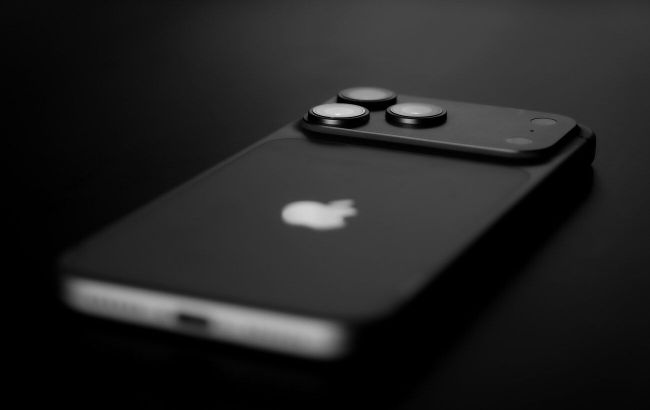 Waiting for the foldable iPhone Duo is dampening sales of Apple’s new devices (photo: Unsplash)
After Apple's major presentation on September 9, the company opened pre-orders for its new flagships. Unlike previous years, when most iPhone configurations sold out within minutes, demand this time has been less impressive, according to AppleInsider.
Market analysts, looking at the initial sales data for the new iPhones, point to a significant decline in the initial buying frenzy.
While the most popular configurations sold out within minutes in previous years, after pre-orders opened on September 12, most models remained available for delivery on the official release date — September 18.
Shipping delays
Base flagship. During the first hour after pre-orders opened in the US, none of the standard iPhone 18 Pro versions had their delivery dates pushed back.
At present, a significant shipping delay of two to three weeks has been recorded only for the Silver model with 512GB of storage.
Higher-end Pro Max lineup. Flagships with 1TB and 2TB of storage are available without delays in most colors, except for the 2TB Burgundy model.
Popular configurations. The 256GB and 512GB Burgundy versions, as well as the 256GB models in Glacier, Silver and Black, were the first to see their shipping dates pushed back. Most are currently expected to ship within two to three weeks.
Why is this happening?
Experts point to several key reasons behind this buying behavior.
First, much of the audience's attention has been captured by the upcoming foldable iPhone Duo, with pre-orders set to open in October.
Many users are therefore delaying their purchases so they can compare the devices.
Second, broader economic pressures, rising prices due to component shortages, and the unusual choice of Saturday to open pre-orders are also having a significant impact.
At the same time, analysts note that weaker initial figures do not necessarily indicate a flop.
Apple may have significantly increased production volumes, meaning the lack of delays could be the result of effective supply planning for the new devices.
Experts believe that a full assessment of the lineup's success will only be possible after the entire sales cycle is complete.