Poland tightens crypto rules again to match EU standards

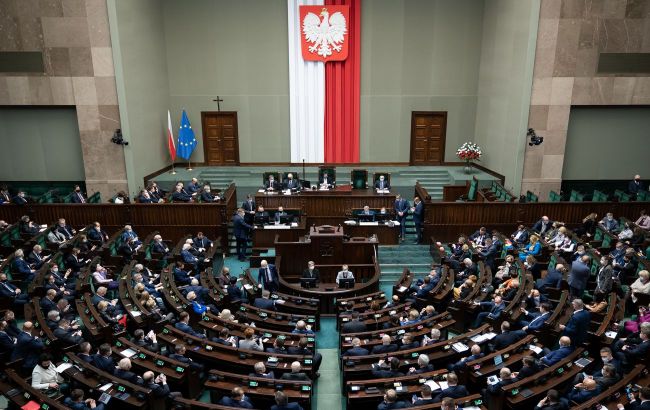 Polish Parliament (Photo: Getty Images)
During a session in the Sejm, lawmakers voted to approve a bill that will place crypto platforms under the direct supervision of Poland’s financial regulator, the Polish Financial Supervision Authority (KNF), in line with European Union rules, according to TVP World.
Read also: Fraudsters hit ships in Strait of Hormuz with million-dollar crypto scams
This is the third attempt by Prime Minister Donald Tusk’s centrist government to regulate the cryptocurrency market, after two previous versions were vetoed by President Karol Nawrocki.
The head of state opposed the earlier bills, citing concerns over excessive regulation and potential risks to civil liberties.
It remains unclear whether the new bill will become law, as Nawrocki retains the right to veto it again.
Speaking before the vote, Finance Minister Andrzej Domański said the bill would create an effective framework for regulating the crypto‑asset market.
"This is a law that will ensure people saving and investing in this market receive the same level of protection as investors in other financial markets," the official said.
If Nawrocki does not veto it this time, Poland will cease to be the only EU member state that has not yet fully implemented the bloc's new regulatory framework for cryptocurrencies, known as MiCA.
What else you should know about Poland
Poland is one of the EU countries where Ukrainians are always welcome due to a shortage of workers. Despite easy assimilation, Poland has its own challenges that migrants should be aware of.
Doctors from Ukraine have started having their licenses revoked in Poland. The main reason is the language issue.
Warsaw has, for the first time, recognised a same‑sex marriage. Although same‑sex couples cannot marry within Poland itself, the country is required to recognise such marriages if they were contracted in other EU countries.