Ophthalmologists warn: This home decor is secretely ruining your eyesight

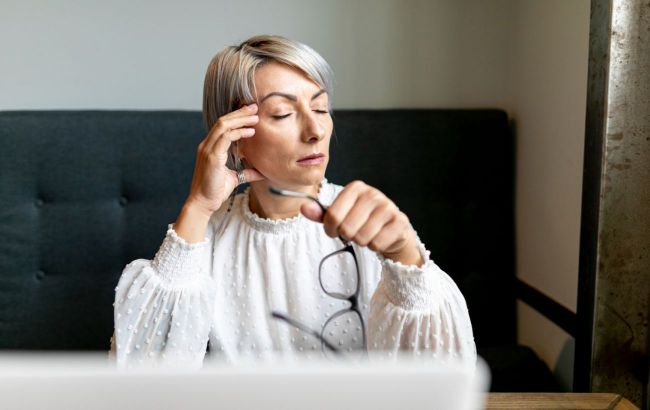 How poor lighting can harm your vision (photo: Freepik)
Poor indoor lighting and limited time spent outdoors are increasingly seen as factors contributing to the development of nearsightedness. Some rules can help protect your vision, according to Real Simple.
What causes nearsightedness
Doctor of Medical Sciences and ophthalmologist Donny Sukh explained that children whose parents are nearsighted have a higher risk, but lifestyle factors such as screen use and time spent outdoors strongly influence its development.
According to ophthalmologist Maria Montero, family history sets the genetic foundation and initial risk. The level of myopia has also risen sharply.
This suggests that modern lifestyle changes — intensive studying and increased screen time — are the main driving forces.
Known environmental causes of nearsightedness include:
-
Limited time outdoors
-
High screen exposure (blue light)
What research shows
A study published in Cell Reports confirmed that vision is closely linked to the environment. Prolonged near work on digital devices combined with a lack of natural light creates a physical imbalance in eye development.
This applies to activities such as reading, writing, or screen use, which require intense focus at a short distance, typically at arm’s length.
“This study confirms that our eyes were designed for the horizon, and when the world shrinks to screen size, eye health can suffer,” says Dr. Montero.
Glasses, contact lenses, or vision surgery may seem like simple solutions, but they are not accessible to everyone.
How to protect your eyes
Nearsightedness can blur vision, and high myopia also increases the risk of retinal damage, including tears, detachment, and degeneration.
Prevention involves forming healthy eye habits and following vision hygiene, such as avoiding reading in poor lighting.
Tips to protect your eyes:
-
20-20-20 rule – every 20 minutes, look at something 20 feet away for at least 20 seconds to “reset” eye muscles
-
Time outdoors – encourage children to spend at least two hours outdoors daily. Natural light stimulates dopamine release in the retina, which regulates healthy eye growth
-
Avoid using devices in the dark – keep the room lit when using a computer, phone, or playing video games
-
Watch your distance – keep devices about finger-knuckle to elbow distance from your eyes
-
Don’t skip regular eye exams – especially important for children
This material is for informational purposes only and should not be used for medical diagnosis or self-treatment. Our goal is to provide readers with accurate information about symptoms, causes, and methods of detecting diseases. RBС-Ukraine is not responsible for any diagnoses that readers may make based on materials from the resource. We do not recommend self-treatment and advise consulting a doctor in case of any health concerns.