Only Ukrainians can decide territorial issues, NATO says on Abu Dhabi talks

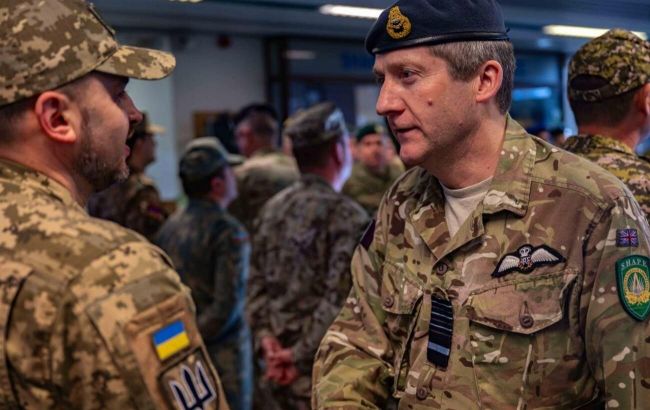 Photo: NATO Deputy Supreme Allied Commander John Stringer (shape.nato.int)
Only Ukraine has the right to decide the fate of its territories in negotiations with Russia. NATO also doubts that Moscow has come to Abu Dhabi with serious intentions, rather than the same demands it made in 2022, NATO Deputy Supreme Allied Commander John Stringer said in an interview with Euronews.
The Alliance is represented at the negotiations in Abu Dhabi by senior officials, including NATO Supreme Allied Commander Alexus Grynkewich. He is taking part in the meetings in his capacity as commander of US European Command, advising American leaders.
Stringer expressed hope that Russia was negotiating in good faith, but noted that there were almost no signs that Putin was abandoning his maximalist demands.
"Let’s see how serious Russia is here. Let’s hope it’s not just, frankly, a restatement of demands that, as I said, go back to 2022," the general said.
According to him, Ukraine's objectives regarding a ceasefire are NATO's top priority.
Asked about possible pressure on Kyiv to give up parts of the Donetsk and Luhansk regions, Stringer stressed that only Ukraine has the right to determine the fate of its sovereign territory.
"In terms of territory, it’s absolutely one for the Ukrainians," he said.
The general also praised Ukraine's strikes on Russian oil refineries. Trump previously urged Kyiv to abandon this strategy, arguing that it was driving up energy prices.
However, in Stringer's view, allies should give Ukraine credit for its successes. According to him, Putin had expected to use Ukraine to launch a new security architecture in Europe back in early 2022, but he was badly mistaken, and strikes on Russian fuel infrastructure are hitting him directly.
"What Ukraine has been able to do through imagination, innovation and will is quite incredible and we should salute it," Stringer stressed.
NATO's skepticism about Moscow's intentions is also confirmed by the initial results of the negotiations. According to RBC-Ukraine sources, on the second day of the meeting in Abu Dhabi, the Russian delegation refused to discuss a ceasefire, territorial issues, energy, and security in the Black Sea. According to the source, the focus of the talks shifted to Europe's future security architecture, while the war against Ukraine took a back seat.
Ukrainian delegation member Davyd Arakhamia also acknowledged that the negotiations were tough because of the directives the Russians had brought with them. He added that discussions about the postwar future had helped establish dialogue, and there was good momentum toward finding a solution before the beginning of next year. For more details on the outcome of the Abu Dhabi negotiations, see RBC-Ukraine's separate report.