Not for everyone: Who should avoid eating avocado

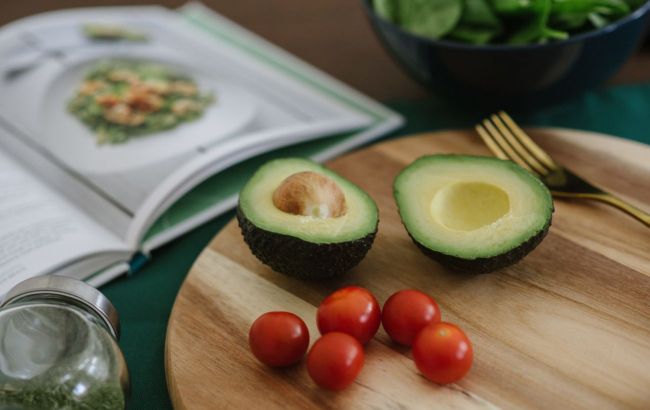 Health conditions that make eating avocado unsafe (photo: Freepik)
Avocado is considered a healthy fruit, rich in good fats, vitamins, and minerals. However, for some people, eating it can be risky, according to Health.
Benefits of avocado
Improves diet
Research published in Current Developments in Nutrition shows that eating one avocado daily is linked to better overall diet quality. Participants’ diets aligned more with healthy eating patterns, including lower sodium intake and more beneficial fats. Avocado is a natural source of heart-healthy monounsaturated fats, fiber, vitamins, and minerals.
Effects on weight and digestion
Avocado is rich in fiber and healthy fats. In moderation, it can support weight control by promoting satiety and reducing visceral fat. Its fiber also increases gut bacterial diversity and helps maintain regular bowel movements. Fermentation of avocado fiber provides energy for gut cells and contributes to gut function and pathogen resistance.
Reduces inflammation
Avocado contains nutrients like healthy fats, fiber, potassium, magnesium, vitamin B6, and bioactive compounds that help regulate cholesterol, blood pressure, and blood sugar. These components may also reduce inflammation, supporting heart health and helping prevent hypertension and type 2 diabetes.
Daily consumption
Including avocado in a balanced diet can enhance nutrient intake and diet quality. Adults can consume 3.5–7 cups of vegetables weekly, with one avocado counting as one cup, making it suitable for regular or even daily consumption.
Who should avoid avocado
Although generally safe, avocado should be eaten with caution in cases of:
-
Latex allergy – may cause itching, swelling, rash, or anaphylaxis. People with natural latex allergy may have cross-reactivity with avocado.
-
Kidney disease – one-third of an avocado contains 250 mg of potassium (6% of the daily value). Those with kidney issues should monitor potassium intake.
-
Blood-thinning medications – avocado is high in vitamin K and may interact with warfarin, affecting blood clot regulation.
-
Gastrointestinal problems – high polyol content in avocado can cause bloating.
This material is for informational purposes only and should not be used for medical diagnosis or self-treatment. Our goal is to provide readers with accurate information about symptoms, causes, and methods of detecting diseases. RBС-Ukraine is not responsible for any diagnoses that readers may make based on materials from the resource. We do not recommend self-treatment and advise consulting a doctor in case of any health concerns.