No time to eat healthy? Nutritionist shares simple tips that work

 Certified nutritionist Daryna Leonova (photo: Daryna's legacy)
In today's fast-paced world, eating healthy can seem difficult, or almost impossible, if you cannot cook at home or order healthy meals for delivery. After all, food at restaurants and cafes is often high in fat and calories, with lots of oil, cheese, and cream.
However, nutritionist Daryna Leonova sees it differently. In her view, healthy eating doesn't have to be complicated or time-consuming, and even at restaurants and cafes, you can choose healthier options by simply following a few rules.
Daryna is a certified nutritionist and holds an international PN-1 certification. She believes the key to healthy eating is balance on your plate, without extremes or giving up your favorite foods.
Exclusively for Wave RBC.ua, the nutritionist explained how to eat well when you're short on time and how to order at restaurants without exceeding your calorie and macronutrient targets.
Is it possible to eat well if you don't have time to cook?
More than possible. I'll be honest—I don't like cooking. Sure, there are days when I suddenly feel like trying some elaborate recipe and actually enjoy the cooking process. But most of the time, I simply don't have the time.
My diet is built around simple meals that require minimal time in the kitchen. Without that, I probably wouldn't be eating a balanced diet. In fact, for many years I couldn't adopt the lifestyle I have today because I was afraid it would take up all my free time. So I understand perfectly well why people eat haphazardly—they simply don't know how to make their meals quick, tasty, and healthy at the same time.
It's important to understand that changing your eating routine takes effort at first, so I never tell my clients that it's easy, because that would be dishonest. It's like building muscle: the first workout is very difficult, but the second, third, and tenth become much easier, and eventually people can't imagine their lives without it.

Daryna Leonova (photo: Daryna's legacy)
Better to start with small steps
The most important thing to understand is that if you change your diet drastically, it will be very difficult and can often lead to exhaustion and burnout. As a result, healthy eating can become just another failed one-week attempt.
It's similar to working out, which people often give up after their first few attempts because they can't handle a level of exercise they aren't prepared for. The same applies to food: we've developed our eating habits and overall lifestyles over many years, so trying to change everything at once is definitely a bad strategy.
Small steps matter. Don't try to balance every meal right away—start with one balanced plate a day. Don't immediately buy every type of grain and vegetable if you barely ate any before; start with a few types of grains and a few vegetables. That's already much better than having the same cucumbers and tomatoes on every plate and eating couscous all the time. Most importantly, small steps are what will help you make lasting changes to your diet.
I never overwhelm my clients with 20 pages of recommendations when we first start working together. First, we focus on the basics and gradually adjust their diet so that it's tasty and doesn't create unnecessary hassle or stress. Only later, step by step, do we move on to the knowledge and deeper aspects of nutrition that the person is ready for. Otherwise, it simply won't work.
Eating well when you're short on time
When it comes to eating a healthy diet on short notice, I always recommend keeping foods at home that don't require cooking. You can easily put together a balanced plate from them in just a few minutes.
For example:
- Carbs: 2 slices of whole-grain bread/lavash/tortilla/crispbread
- Protein: Canned tuna in its own juice/sardines/lightly salted fish/ham with a good ingredient list/cottage cheese or canned beans.
Add whatever vegetables you have in the fridge, grab a piece of fruit, and there you have it—a balanced meal with no cooking required.
Meal prep also saves me a lot of time, and I keep it very simple and practical. I cook two types of grains and two types of fish or meat at the same time, then combine them in different ways on my plate for several days, adding fresh or pre-prepared vegetables.
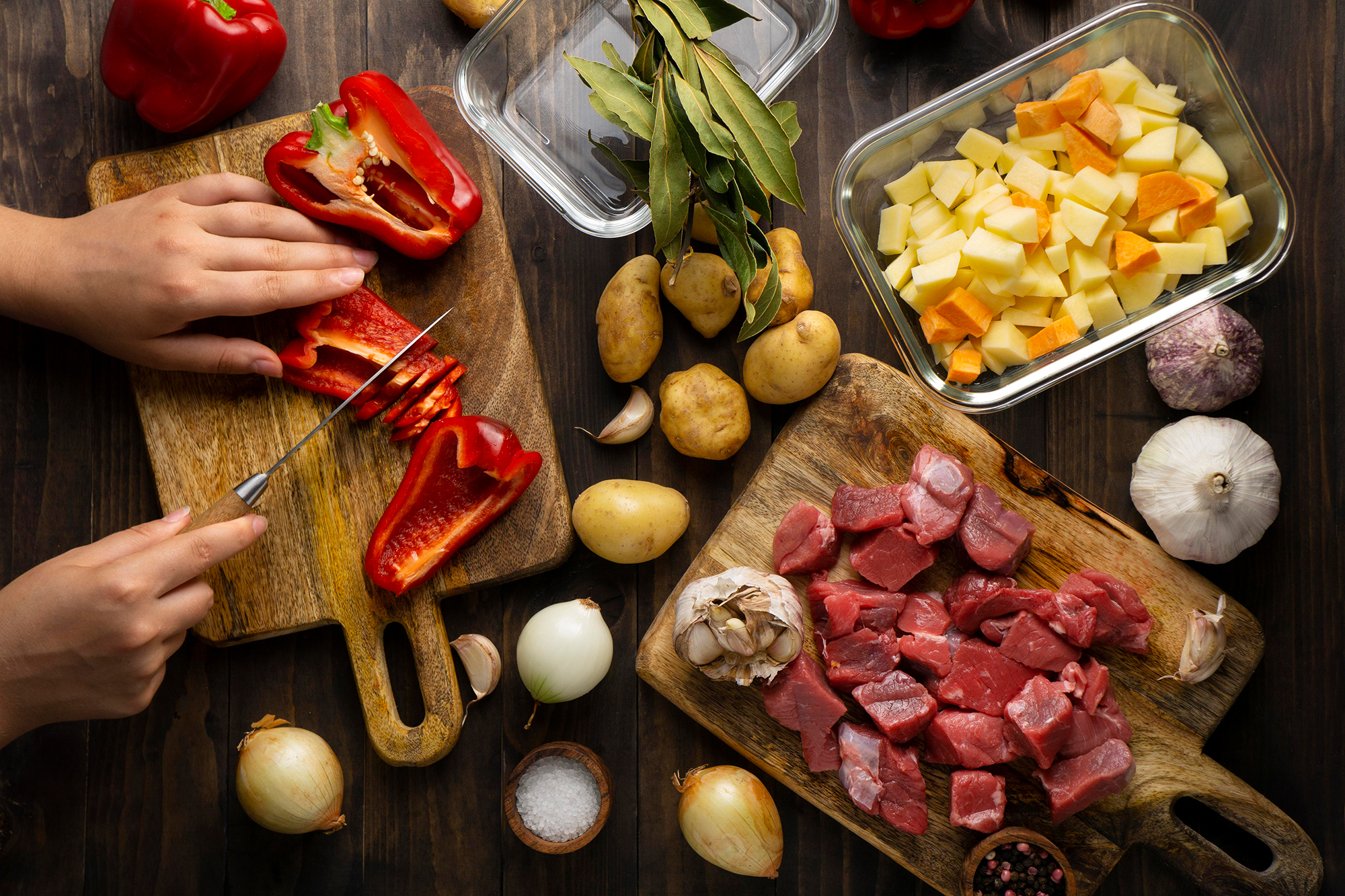
Meal prep can make life easier (photo: Getty Images)
How to order food at restaurants and cafes
If you often eat out, the situation is more complicated because we can't be sure exactly what ingredients are used in our meals or how much of each is added. Still, we can significantly improve our diet with a few simple steps:
- Try to balance your plate with what's available. For example, instead of a large serving of a side dish, ask for half a portion (if possible) + a vegetable salad + a quality source of protein (rather than, say, 5 grams of chicken in a Caesar salad, opt for a full serving of poultry, fish, red meat, seafood, etc.)
- Choose less fatty dishes (because that's one of the biggest issues when eating out). Ask for less oil, cream, cheese, butter, etc. to be used in cooking. Order sauces on the side and control how much you add to your meal.
- If you do snack on a croissant or dessert, you can still make the meal more balanced by adding some fruit or berries.
The main rule when eating out is not to be afraid to make your preferences known. At any reasonable restaurant, they won't refuse simple requests such as adding vegetables that aren't on the menu or serving pasta without sauce, so you can add your own amount of oil and Parmesan.
Healthy eating isn't about carrying containers of eggs with you everywhere. It's about having the knowledge and skills to adapt your diet to your life, not the other way around. And, of course, don't build your diet around extremes and strict restrictions if you want it to become a lifestyle rather than a one-week attempt.
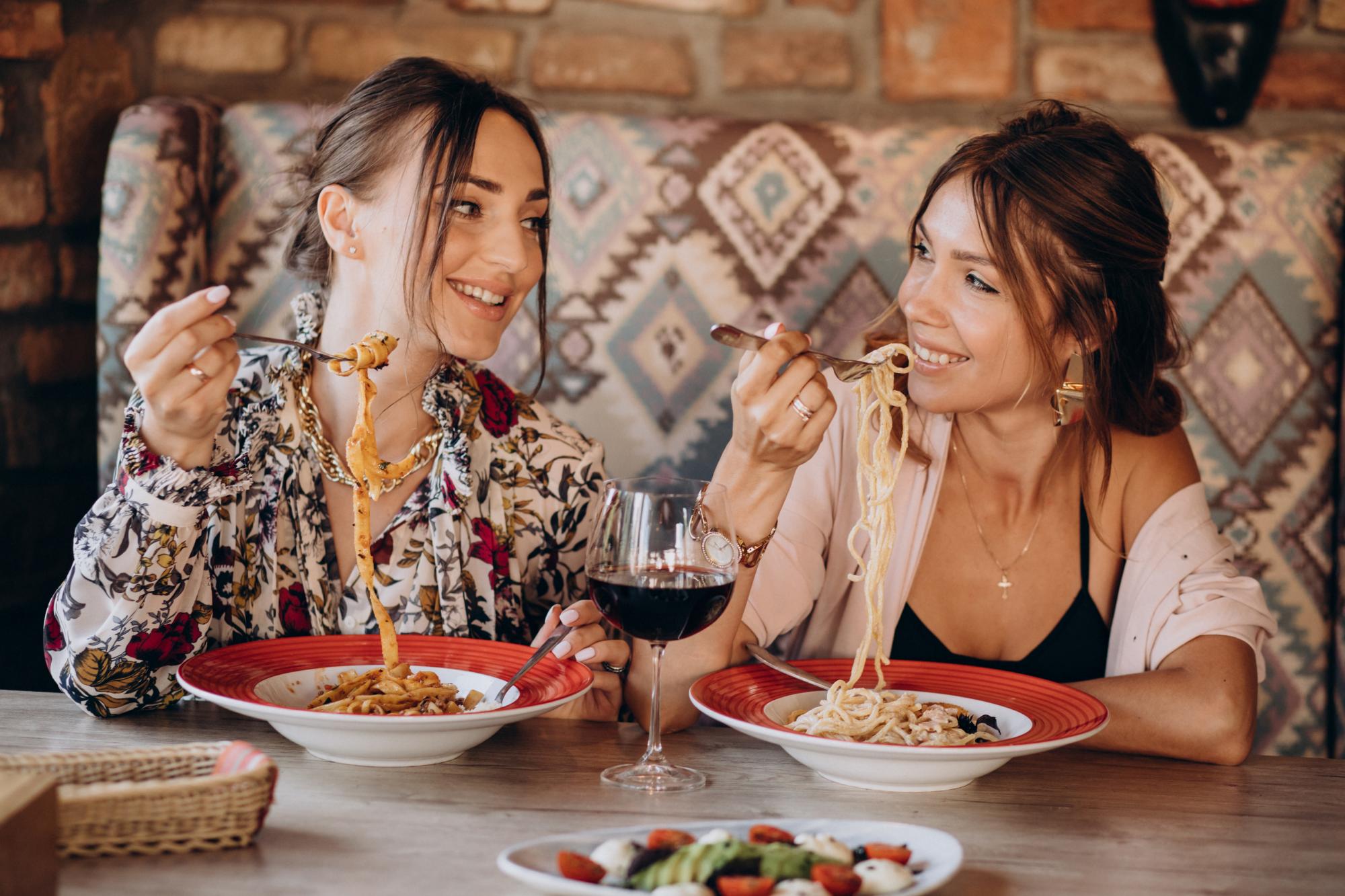
When eating out, it's better to ask for the sauce on the side (photo: Getty Images)
This material is for informational purposes only and should not be used for medical diagnosis or self-treatment. Our goal is to provide readers with accurate information about symptoms, causes, and methods of detecting diseases. RBС-Ukraine is not responsible for any diagnoses that readers may make based on materials from the resource. We do not recommend self-treatment and advise consulting a doctor in case of any health concerns.